Nvidia is preparing to re-enter the consumer PC market and is developing a new Arm-based system-on-a-chip (SoC) processor for its first laptop, aimed at delivering improved artificial intelligence performance, longer battery life, and high efficiency.
The company is building a new in-house Arm-based SoC that integrates CPU, GPU, and AI acceleration into a single chip. The integrated design is intended to ensure improved performance and lower power consumption. The technology is positioned for users who run AI-based applications, graphic design workloads, and multitasking operations.




The new processor is intended to support the development of lightweight, thin laptops with extended battery life. According to reports, the chip may also be adopted by other major PC manufacturers such as Lenovo and Dell in their upcoming devices, potentially strengthening the Windows PC ecosystem.
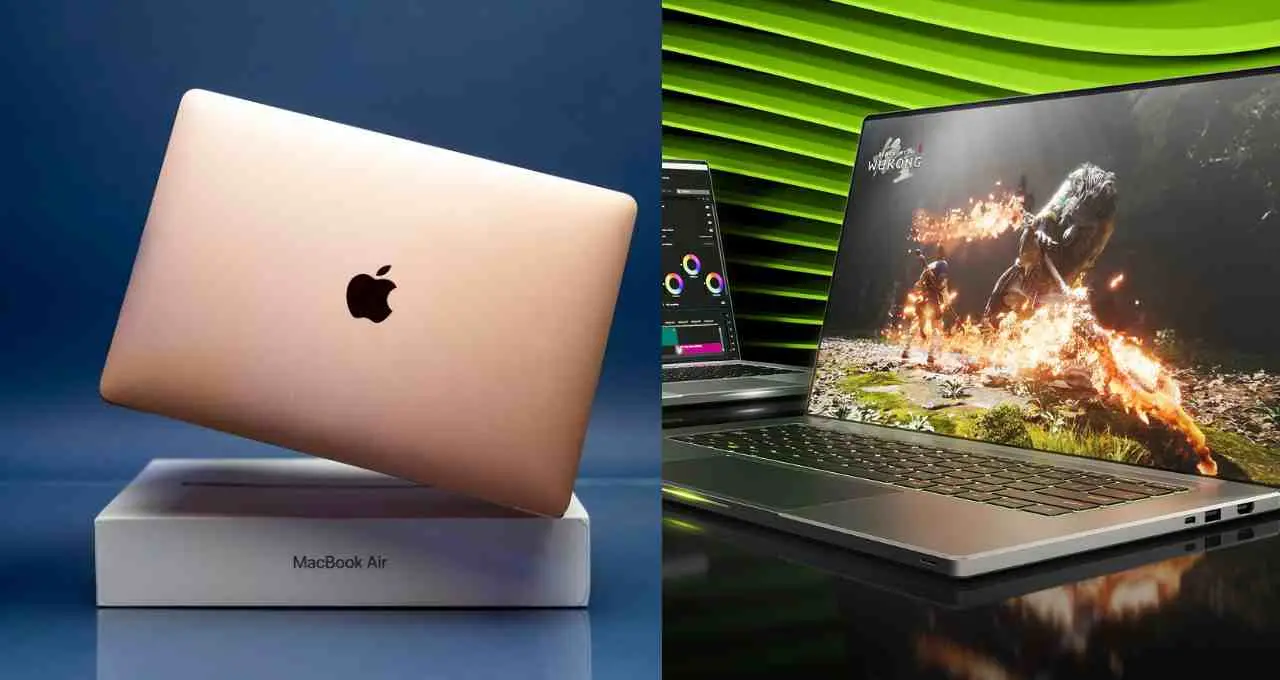
The move is seen as a direct challenge to Apple’s MacBook lineup, which uses Arm-based M-series chips known for battery life and performance. Nvidia aims to introduce a similar unified architecture to deliver AI-enabled and high-efficiency laptops.
The company already operates in the graphics and AI hardware segments. The new laptop is expected to offer enhanced graphics performance, faster processing, and advanced AI features. The device could provide an additional option for content creators, gamers, and professional users.
Reports indicate that Nvidia’s first laptop will feature a slim design, extended battery life, and advanced AI-driven capabilities. The company’s focus is on developing portable devices capable of meeting high-performance computing requirements.
With AI integration, users are expected to experience improved automation, faster processing, and smart features. The laptop may appeal to users working with AI tools, video editing, programming, and high-end multitasking workloads.