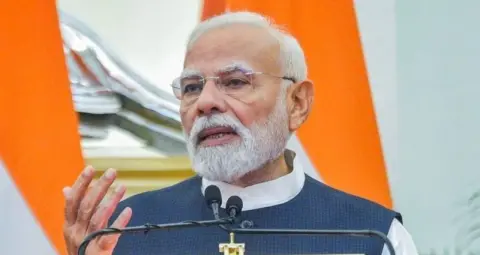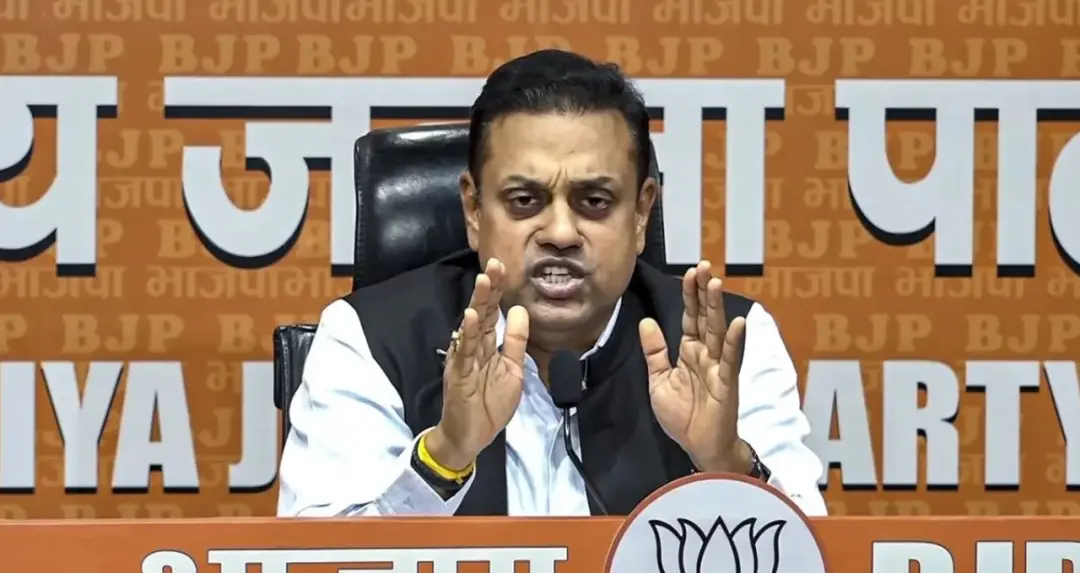
Bharatiya Janata Party MP Sambit Patra on September 23 targeted the Congress amid the ongoing political dispute over the functioning of the Election Commission and the Special Intensive Revision (SIR) of electoral rolls. At a press conference in New Delhi, Patra referred to former Chief Election Commissioner Naveen Chawla, appointments made to the Election Commission during Congress rule and the changes introduced in the system for appointing election commissioners.
The BJP’s response came after reports of differences within the Election Commission over SIR prompted opposition parties to question the poll panel’s decision-making process.
Patra said the Congress’s questions over the functioning and independence of the Election Commission should also be viewed in the context of its record during its years in government. He alleged that the independence of the Election Commission had been affected during the Congress’s long period in power.
Referring to former election commissioners, Patra said that some officials were given government positions after retirement during Congress rule. He linked these appointments to the relationship between the Election Commission and governments of the time and questioned the opposition’s present allegations.
These are political allegations made by Patra and the BJP. The Congress has, at different times, questioned the independence of the Election Commission and the present system for appointing election commissioners.
Patra specifically referred to former Chief Election Commissioner Naveen Chawla. He said Chawla was appointed an Election Commissioner in 2005 and later served as Chief Election Commissioner. Chawla was the CEC during the 2009 Lok Sabha elections.
Patra referred to the victory of the Congress-led United Progressive Alliance (UPA) in the 2009 Lok Sabha elections while questioning the relationship between the Election Commission and the government of that time.


The outcome of an election and the appointment of an election commissioner, however, cannot by themselves establish a direct relationship between the two.
Patra’s argument was that the Congress should also answer questions concerning appointments and decisions related to the Election Commission during its period in government before questioning the present Election Commission.
The BJP leader also discussed the existing system for appointing election commissioners. Parliament enacted a new law in 2023 concerning the appointment, conditions of service and term of office of the Chief Election Commissioner and other Election Commissioners.
Under the present arrangement, the selection committee comprises the Prime Minister, the Leader of the Opposition in the Lok Sabha and a Union Cabinet Minister nominated by the Prime Minister. Before this law was enacted, the Supreme Court had provided for an interim arrangement consisting of the Prime Minister, the Leader of the Opposition in the Lok Sabha and the Chief Justice of India until Parliament enacted a law.
The 2023 law changed that structure.
Patra defended the government over the change in the appointment mechanism and linked it to the institutional independence of the Election Commission. The constitutional validity of the appointment mechanism is also under consideration before the Supreme Court.
The current dispute followed a report claiming that Election Commissioners Sukhbir Singh Sandhu and Vivek Joshi formally raised objections at least 14 times over the previous 10 months regarding certain decisions and processes of the Election Commission.
According to an investigation by The Indian Express, the objections related to SIR, registration of new voters, changes to electoral rolls and the management of electoral data. The report said the two commissioners objected on record to decisions and orders that they said had been taken without their knowledge or approval.
The report referred to changes in Form 6, the centralisation of the digital electoral-roll database, voter appeals in West Bengal and the inclusion of certain eligible voters in Goa. It also reported concerns over access to the Election Commission’s IT systems and voter data.
Officials associated with the Election Commission said after the reports that different views, comments and suggestions within the Commission are part of the institutional decision-making process.
The Commission said that its decisions, including those concerning SIR, had the approval of all three Election Commissioners and that final decisions were taken unanimously. The Indian Express reported that the Commission did not dispute the existence, dates or contents of the 14 notes, while describing them as suggestions and maintaining that decisions during the past year were unanimous.
The dispute therefore involves two separate claims: a published investigation detailing objections recorded by two Election Commissioners, and the Election Commission’s position that internal discussions should not be treated as evidence of institutional division or unilateral decision-making.
Special Intensive Revision, or SIR, is a process for special revision of electoral rolls. It involves verification of names recorded on electoral rolls and records relating to voters’ eligibility.
According to The Indian Express, SIR had been extended to 30 states and Union territories, and more than 13 crore names had been removed from draft electoral rolls. Removal from a draft roll does not necessarily mean that a voter has permanently lost the right to vote, as claims, objections and appeal procedures are available under different categories.
West Bengal has also seen judicial intervention concerning SIR. The Election Commission told the Supreme Court in September that lakhs of appeals concerning restoration of voters and other changes following SIR were pending.
Patra’s press conference focused on placing the present dispute not only in the context of recent developments surrounding SIR but also against the historical functioning of the Election Commission and appointments associated with it.
He referred to appointments of officials connected with the Election Commission during Congress rule and defended changes made by the present government to the appointment process.
Patra also argued that correspondence and differing views within the Commission should be regarded as part of an institutional democratic process. The Indian Express reported that Patra described discussions among Election Commissioners and the decision to undertake SIR through consensus as signs of a functioning democratic institution.
This represents the BJP’s political position. Opposition parties, meanwhile, have argued that repeated objections recorded by two Election Commissioners raise questions about the Commission’s decision-making process and independence.
The political debate over the functioning of the Election Commission is currently centred on three issues: SIR, the Commission’s internal decision-making process and the system for appointing election commissioners.
The BJP has referred to the Congress’s record in government and appointments involving former election commissioners, while opposition parties have raised questions over objections recorded within the present Commission. The Election Commission has maintained that final decisions were taken unanimously.
The Election Commission is a constitutional institution, and questions concerning its functioning relate to the conduct of elections and the management of electoral rolls. The allegations reported about SIR, the Election Commission’s official response and proceedings before the courts therefore form separate parts of the ongoing dispute.Sambit Patra Targets Congress Over SIR and Election Commission Appointments