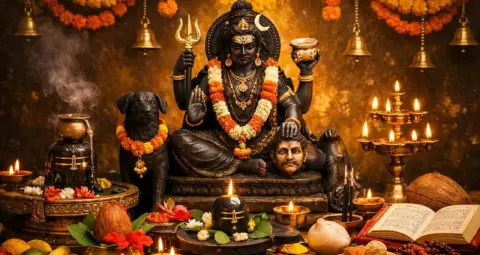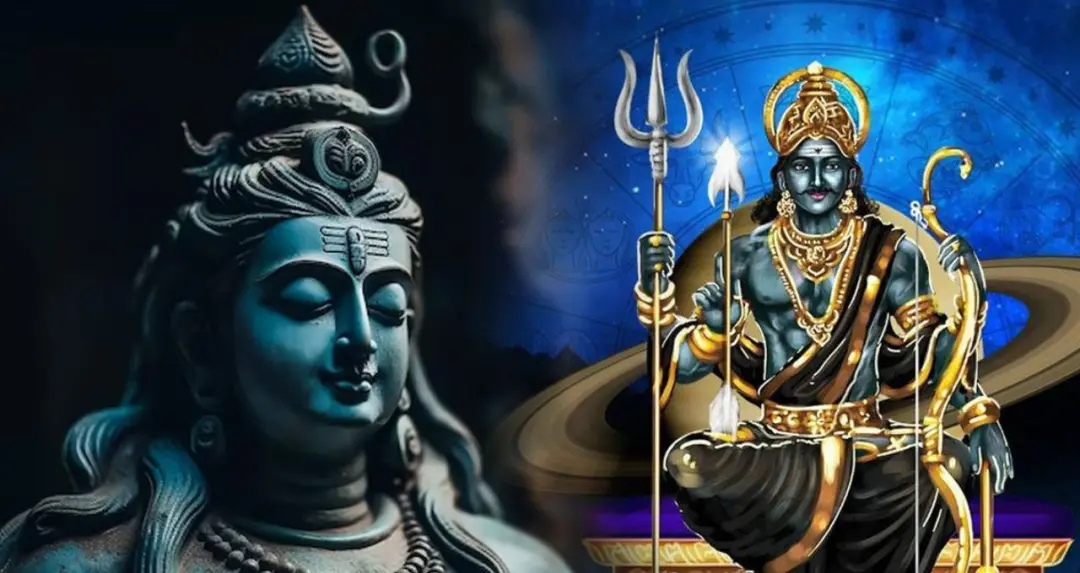
Shravan Saturday is regarded as a significant religious day during the month of Shravan. On this occasion, devotees worship Lord Shiva and Lord Shani according to religious traditions, seeking happiness and prosperity, relief from planetary afflictions, and positive energy in life.
The month of Shravan is regarded as one of the months especially dedicated to Lord Shiva. When a Saturday falls during this month, devotees also worship Lord Shani alongside Lord Shiva. According to religious beliefs, worship, fasting and acts of charity on this day are associated with seeking the grace of Lord Shiva and the blessings of Lord Shani, as well as relief from various difficulties in life.
Religious traditions hold that Lord Shiva fulfils the wishes of his devotees, while Lord Shani is believed to bestow results according to a person's actions. For this reason, worshipping both deities on Shravan Saturday is regarded as particularly significant within these traditions.




Devotion to Lord Shiva is observed throughout Shravan, but on Saturday, devotees particularly perform abhishek of the Shivling with water, offer belpatra and recite the Mahamrityunjaya Mantra or "Om Namah Shivaya". Alongside this, devotees offer mustard oil, black sesame seeds and urad to Lord Shani as part of their religious practices.
Shravan Saturday traditionally begins with a morning bath followed by wearing clean clothes. Lord Shiva is then worshipped with an abhishek using Gangajal, milk, curd, honey and water. Belpatra, dhatura, bhang, white flowers and fruits are offered to the Shivling. Many devotees also observe a fast and recite Shiva mantras throughout the day.
During the worship of Lord Shani, lighting a lamp beneath a peepal tree, offering a lamp with mustard oil and donating to people in need are among the traditions followed by devotees. Many also visit Shani temples to offer prayers and recite the Shani Chalisa or Shani Stotra.
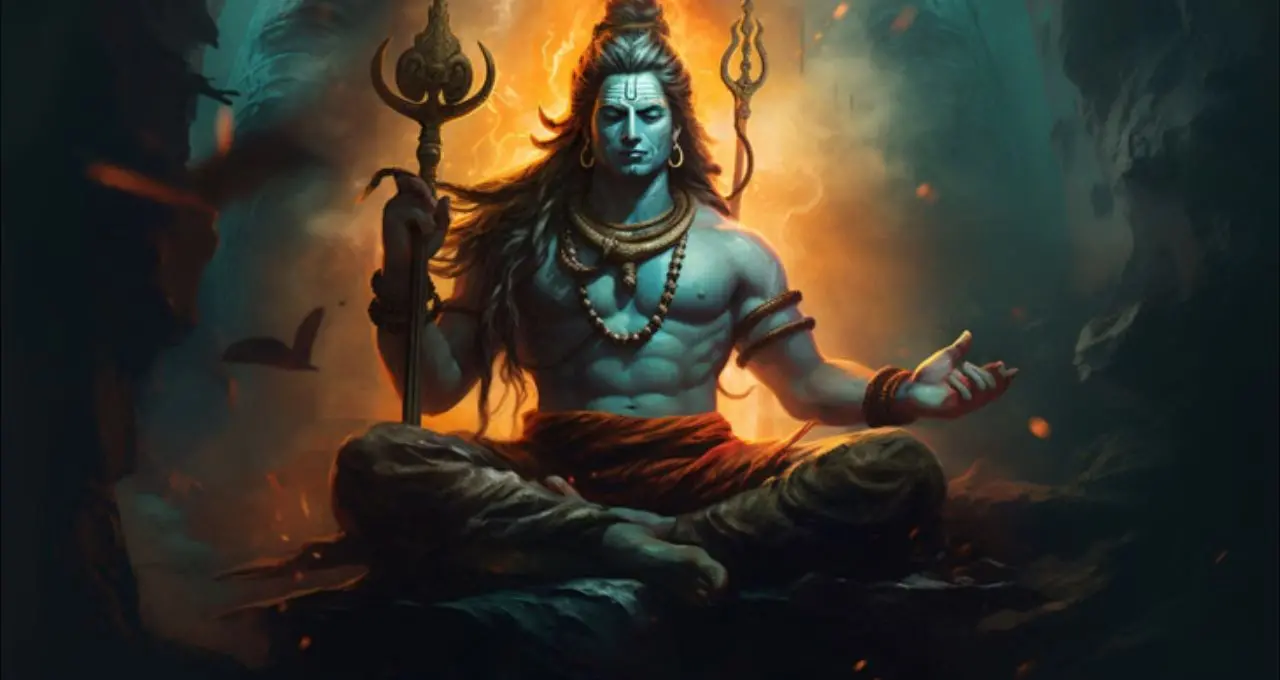
According to religious beliefs, Lord Shiva is regarded as the guru of Lord Shani. Therefore, worshipping both deities on Shravan Saturday is traditionally associated with receiving special religious merit. It is believed that Lord Shiva's grace helps remove obstacles in life, while worship of Lord Shani is undertaken with the belief that it can reduce adverse effects associated with one's actions and bring positive outcomes.
These beliefs are rooted in religious traditions and faith, and devotees follow them according to their respective religious practices.
Along with worship, acts of charity are also traditionally considered significant on Shravan Saturday. Devotees donate food, clothing, umbrellas, grains, black sesame seeds, urad dal and other useful items to poor and needy people. Religious belief holds that service and charity increase positivity in society and encourage compassion and goodwill within an individual.
Some devotees also engage in cow service, feeding birds and helping people in need. These activities are regarded as significant both from the perspective of religion and service to humanity.
Shravan Saturday is regarded not only as a day for worship but also as an opportunity for introspection, restraint and service. Through the worship of Lord Shiva and Lord Shani, devotees seek happiness, peace and positive energy in their lives.
According to religious traditions, observing fasting, worship, mantra recitation and acts of charity is associated with strengthening a sense of spiritual balance and mental peace. These traditions continue to contribute to the significance of Shravan Saturday among devotees.