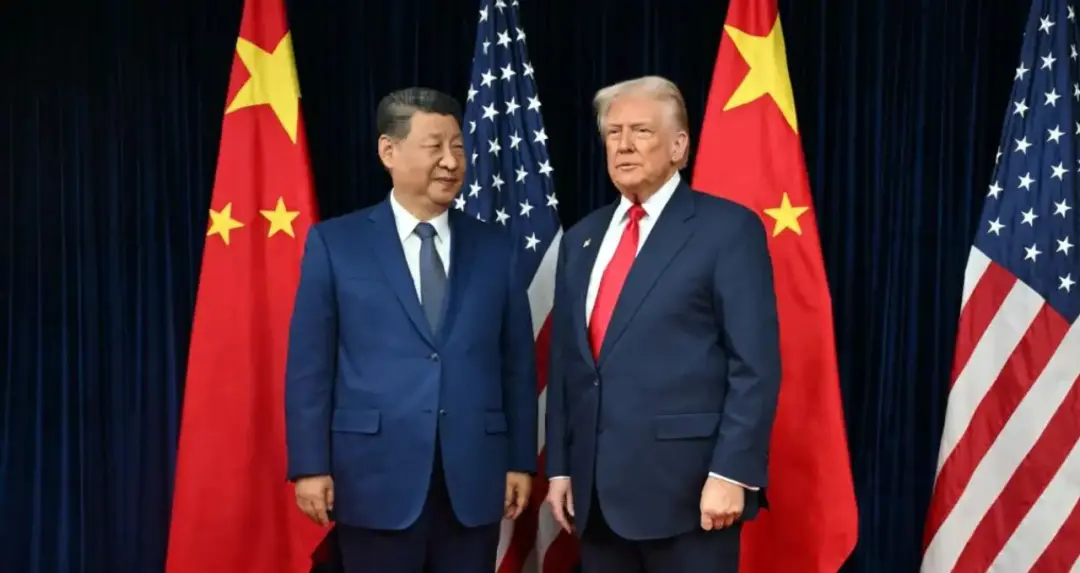
US President Donald Trump and Chinese President Xi Jinping held a summit meeting in Beijing where they discussed trade, tariffs, artificial intelligence, Taiwan and other key bilateral and global issues.
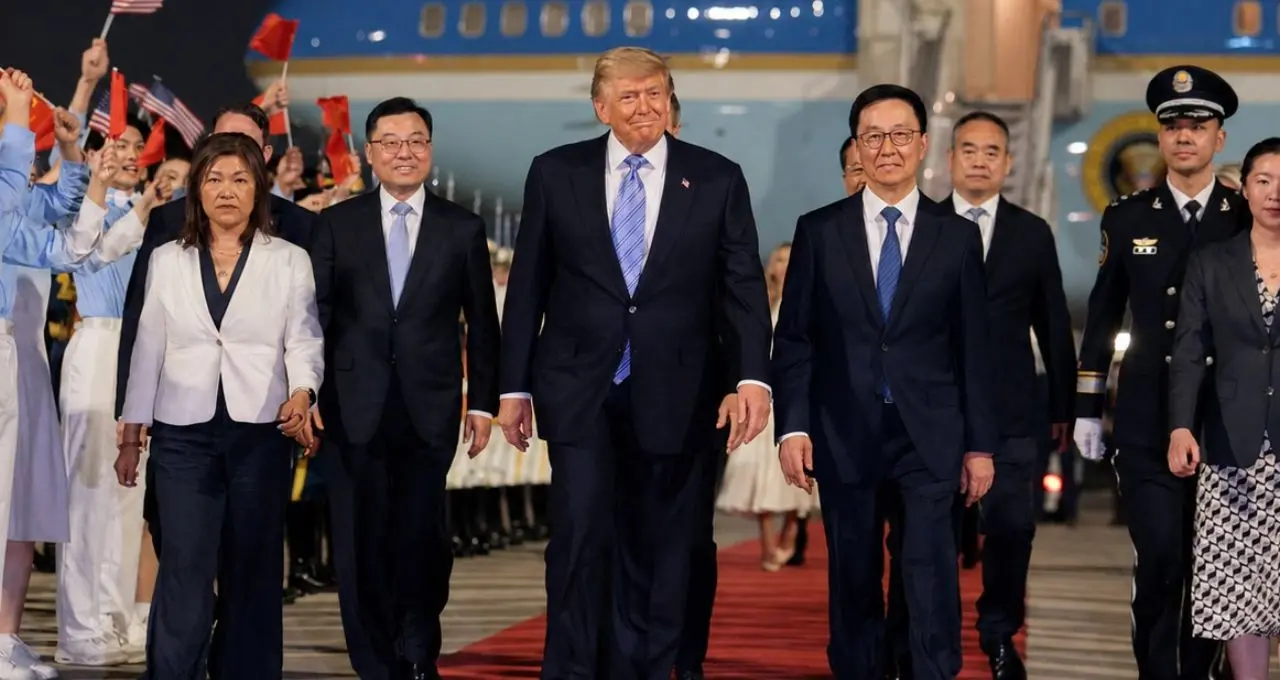
The meeting took place at the Great Hall of the People, where the Chinese side hosted a formal guard of honour and official reception. The two leaders began the talks with a handshake and emphasized the need to advance bilateral relations.
During the opening remarks, Xi Jinping said the world was closely watching the meeting and described the current global situation as unstable and rapidly changing. He said the United States and China should choose cooperation over confrontation and stated that the world’s two largest economies should work as “partners rather than rivals” to maintain global stability and address international challenges.




Donald Trump also adopted a positive tone during the discussions. Referring to Xi Jinping as his friend, Trump said it was an honour to maintain relations with him. He added that relations between the United States and China would become ber in the future and indicated that both countries could expand cooperation on trade and global issues.
Several leading American business executives accompanied Trump during the visit to China, including Elon Musk, Tim Cook and senior executives from Boeing and other major companies. Their presence indicated that the visit carried significant economic and commercial importance in addition to diplomatic engagement.
Discussions during the meeting also focused on a possible Boeing aircraft agreement. According to reports, China could purchase aircraft worth approximately Rs 9 lakh crore from Boeing. If finalized, the agreement could become one of the world’s largest aviation deals and may influence bilateral trade ties and the global aviation industry.
The leaders were also expected to discuss trade and tariff disputes, semiconductor and technology restrictions, artificial intelligence competition, rare earth mineral supply chains, agricultural trade and soybean exports. Competition between the two countries in semiconductors and artificial intelligence has intensified in recent years.
Taiwan was also expected to feature in the discussions. China considers Taiwan part of its territory, while the United States supports it as a separate political entity. Reports indicated that the talks could address US arms sales and regional security concerns linked to the Taiwan issue.
Rare earth minerals and energy security were also considered important parts of the discussions. These minerals are used in electric vehicles, defence systems and advanced technologies. China is the world’s largest supplier in the sector, while the United States is seeking to reduce dependence on Chinese supplies, making the issue strategically significant for both countries.
Ahead of the summit, tensions between Washington and Beijing had continued over Chinese purchases of Iranian oil. The United States has alleged that China continues to buy oil from Iran despite sanctions, providing economic support to Tehran. China has stated that its energy policy is based on national interests and that it does not make decisions under external pressure. The issue was considered another challenging point in the discussions.
The US agricultural sector, particularly soybean farmers, was also closely monitoring the summit. During earlier trade tensions, China reduced imports of American soybeans and increased purchases from Brazil. Although purchases have resumed in recent months, the US administration is seeking a long-term agreement on Chinese imports of agricultural products.
China also planned to host a state dinner in honour of Trump as part of the visit. According to diplomatic experts, such engagements are viewed as signals of improved cooperation and softer bilateral relations. Beijing has often used such events to convey that it attaches importance to relations with the United States.