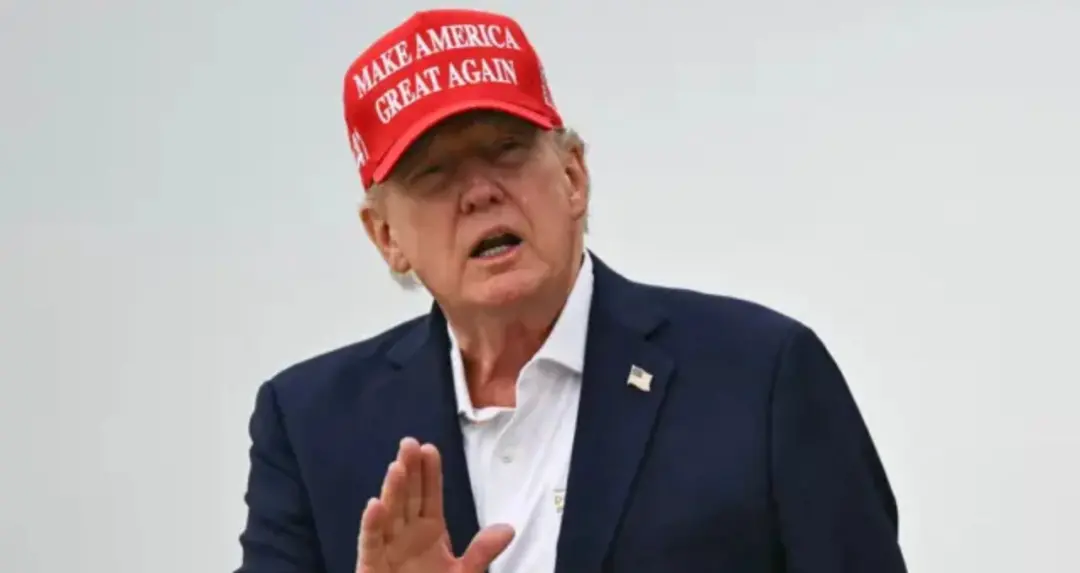
U.S. President Donald Trump has refused to extend the 60-day deadline set for peace talks with Iran, after the two sides failed to reach an agreement on Iran’s nuclear programme. The United States is preparing to increase economic pressure on Tehran, while the Strait of Hormuz has emerged as a new centre of tension.
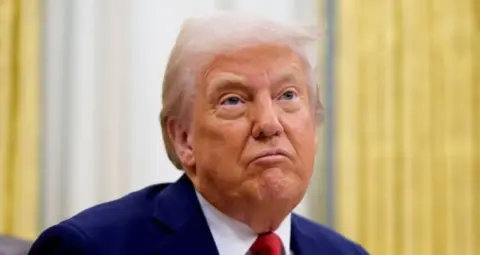
Speaking to reporters in the Oval Office, Trump said Iran wants an agreement but does not want to accept a deal that the United States considers necessary. His remarks came as disagreements between the two countries remain over Iran’s nuclear programme, security and regional stability.
The United States’ main demand is for Iran to end or severely limit its nuclear programme. Tehran, meanwhile, has consistently said its nuclear programme is intended for peaceful purposes and energy production. The issue remains the main obstacle to a broader and lasting agreement between the two countries.
The memorandum of understanding (MOU) related to the agreement included an option to extend the negotiation period, but no substantial progress was made over several weeks of talks. The two sides nevertheless failed to resolve their differences.
Trump had discussed efforts to reach an agreement with Iran during a meeting with French President Emmanuel Macron in France. However, by the end of the stipulated 60-day period, no agreement had been reached that indicated decisive progress towards resolving the long-running nuclear dispute between the two countries.
Iran has also rejected the 60-day period as a formal final deadline for negotiations. Iranian Foreign Ministry spokesman Esmail Baghaei said that talks between the two countries had not even begun in a way that could be linked to a formal 60-day deadline.




According to Baghaei, the United States had failed from the outset to fulfil its responsibilities under the understanding. Tehran therefore does not consider the period a genuine deadline for negotiations. Iran’s position is that progress towards a new agreement will be difficult unless the United States fulfils its commitments.
The Iranian Foreign Ministry also indicated that simply extending the deadline would not resolve the issue. Tehran wants any potential negotiations to take into account its sovereignty, peaceful nuclear activities and economic interests.
For now, the United States appears focused on increasing economic pressure on Iran rather than launching a direct military attack. The United States has not carried out a new attack on Iran since the end of July. Instead, the Trump administration is preparing new measures aimed at affecting Tehran’s economy and international trade.
U.S. Treasury Secretary Scott Bessent has indicated that new economic measures against Iran could be announced next week. According to him, the proposed measures could be among the toughest economic pressure measures ever imposed against a country.
The measures could directly affect Iran’s oil trade, financial transactions and international commerce. The U.S. strategy is aimed at using economic pressure to bring Iran back to the negotiating table and force it to accept Washington’s conditions regarding its nuclear programme.
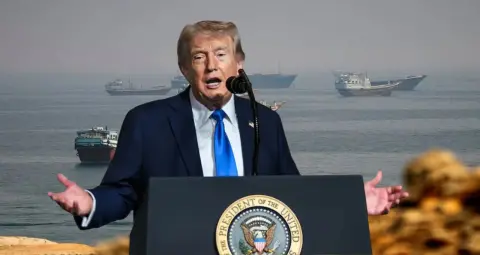
The dispute between the United States and Iran is not limited to the nuclear programme. The Strait of Hormuz has also become an important centre of tension between the two countries. The maritime route connects the Persian Gulf with the Gulf of Oman and the Arabian Sea and is considered highly important for global energy supplies.
A large share of the world’s oil and gas trade passes through the waterway. Any disruption in the Strait of Hormuz could therefore affect not only the United States and Iran but also global energy markets and the international economy.
On Monday, Trump claimed that the United States was maintaining control of the strait through a blockade. He also supported the idea of potentially declaring it U.S. territory. The statement has raised new concerns over regional tensions.
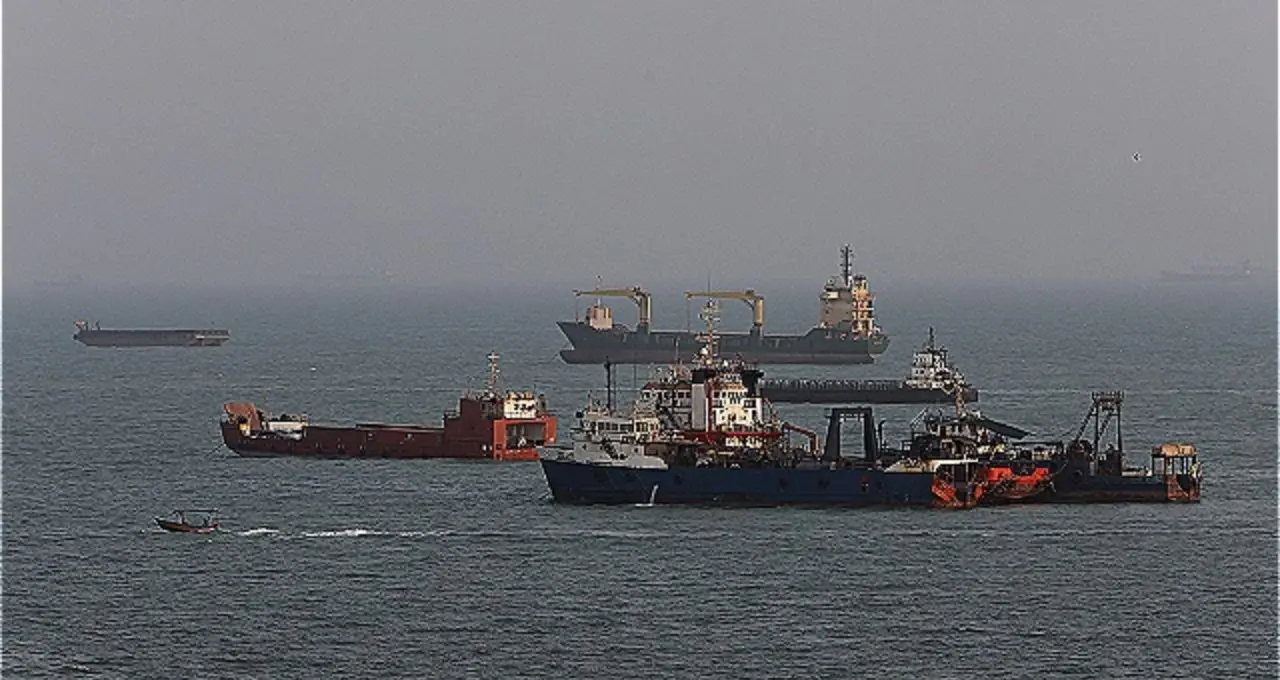
According to U.S. Central Command, the routes of 64 commercial vessels have been changed during the U.S. blockade since mid-July. Maritime monitoring agencies have also reported a notable decline in the number of vessels passing through the Strait of Hormuz during this period.
If the situation continues for an extended period, it could affect global oil supplies, maritime insurance and international trade costs. The Strait of Hormuz is one of the world’s most important energy routes, and any military or political deadlock there could pose a challenge for global markets.
Trump has also issued a warning to U.S. ally Oman over the Strait of Hormuz. In an interview with Fox News, he said that the possibility of military action against Oman could not be ruled out if Oman came in the way of the United States on the issue.
Oman is working with Iran on a plan to open the Strait of Hormuz and keep control of it with the two countries. Oman has previously played a mediating role in establishing dialogue between the United States and Iran. Muscat’s role could therefore become important in the coming days.
Rising tensions between the United States and Iran could also have an impact beyond West Asia. New sanctions on Iran and increased pressure on maritime traffic in the Strait of Hormuz could increase volatility in crude oil prices.
The situation is a particular concern for countries dependent on energy imports. If oil and gas supplies are disrupted, several areas, from transport costs to industrial production, could be affected. This could create a new challenge for the global economy, which is already facing pressure.
With the 60-day negotiation period now over, the path to a diplomatic solution between the United States and Iran appears more difficult than before. The Trump administration is preparing to strengthen economic sanctions, while Iran does not appear ready to alter its nuclear programme under U.S. conditions.
The key question in the coming days will be whether U.S. economic pressure can bring Iran back to new negotiations. If Tehran maintains its current position and tensions over the Strait of Hormuz increase, the risk of confrontation between the United States and Iran could also rise.
The path to negotiations between the two countries has not been completely closed, but a lack of trust and deep differences over the nuclear programme are making any potential agreement difficult. The coming weeks could be important for West Asian security, global energy markets and U.S.-Iran relations.