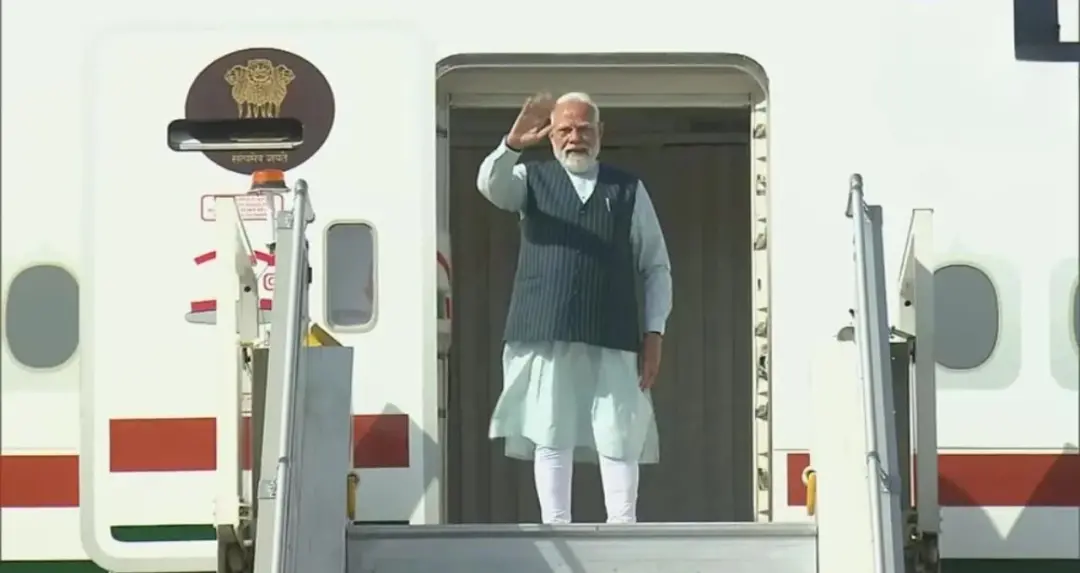
The United Arab Emirates has announced plans to increase its crude oil production capacity to 5 million barrels per day by 2027, a move that is expected to strengthen energy agreements, trade, and investment cooperation between India and the UAE.
The UAE’s decision comes amid changing geopolitical conditions in West Asia and evolving dynamics in the global energy market. Analysts said the production expansion strategy could have a direct impact on Asian energy markets, particularly on major importing countries such as India.
Following its decision to move away from OPEC production constraints, the UAE’s latest initiative is being viewed as a sign of its intention to pursue a more independent energy strategy. Experts said the country is seeking greater flexibility in oil production and export policy to strengthen its position in response to changing global energy demand.
Energy market analysts said the target to expand production capacity also indicates the UAE’s intention to become a more reliable energy supplier for Asian markets, especially India and China.
India, one of the world’s largest energy importers, sources a significant share of its oil requirements from West Asian countries. Industry observers said the UAE’s production expansion plan could be important for Indian companies and may accelerate discussions on long-term oil and gas supply agreements between the two countries.



Former Indian Ambassador Sanjay Sudhir said the Prime Minister’s visit to the UAE is strategically significant amid the current situation in West Asia. According to him, the visit signals not only political support but also efforts to strengthen energy security and economic cooperation.
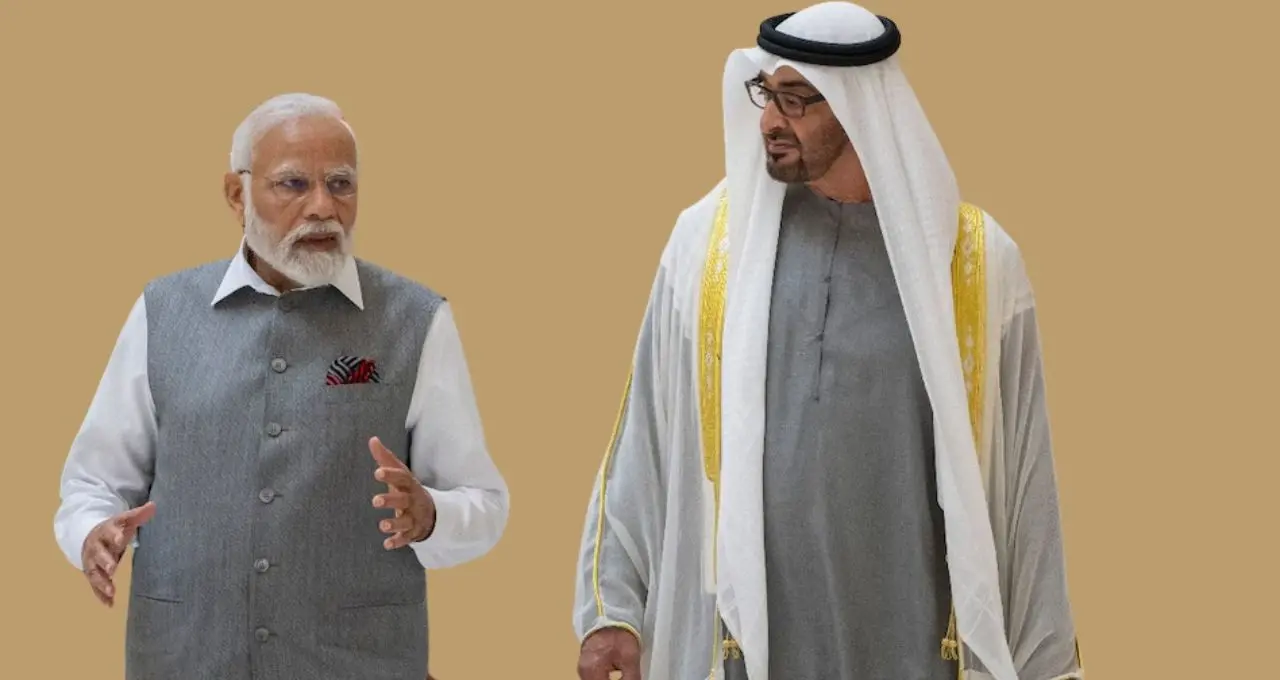
India and the UAE have expanded high-level diplomatic engagement in recent years. The growing relationship between Prime Minister Narendra Modi and UAE President Mohamed bin Zayed Al Nahyan has contributed to deeper strategic ties between the two countries.
According to the Ministry of External Affairs, India and the UAE already share a comprehensive strategic partnership, and recent visits are aimed at further strengthening cooperation in trade, investment, defence, and energy sectors.
UAE President Mohamed bin Zayed Al Nahyan visited India on January 19 this year for a brief visit lasting around 105 minutes. Prime Minister Narendra Modi personally received him at Delhi’s Palam Airport.
During the visit, the two countries signed nine agreements covering trade, defence, and investment. Experts said the agreements reflected efforts by both countries to expand bilateral ties beyond traditional trade relations into a broader strategic partnership.
The United Arab Emirates is India’s third-largest trading partner. Bilateral annual trade between the two countries is reported to exceed Rs 6 lakh crore, covering sectors including energy, infrastructure, gems and jewellery, food products, and technology equipment.
According to available figures, the UAE imports goods worth around Rs 2 lakh crore from India, while India imports larger quantities of oil and other products from the UAE, resulting in a trade deficit for India.
India exports several products to the UAE, including petroleum products, metals, stones, gems and jewellery, minerals, and food products. The country also exports grains, sugar, fruits, vegetables, tea, meat, seafood, textiles, engineering machinery, and chemicals in significant quantities.
Experts said the UAE has also emerged as an important gateway for Indian products to access markets in West Asia and Africa.
India’s growing economy has led to rising energy demand, making stable and reliable oil supplies an important component of its economic strategy. Analysts said geopolitical tensions in West Asia could affect both global oil prices and the Indian economy.
Experts said long-term energy agreements with stable partners such as the UAE could help India reduce future energy supply risks.
Amid changing political and strategic alignments in West Asia, India is continuing to pursue a balanced diplomatic approach. India maintains b economic and energy relations with the UAE, Saudi Arabia, Qatar, and other Gulf countries.
Experts said India is expanding its role beyond being only an energy importer and is increasingly focusing on investment, technology, and trade partnerships.
Apart from energy cooperation, India and the UAE are also increasing collaboration in infrastructure, ports, logistics, and the digital economy. UAE companies are investing in several major infrastructure projects in India, while Indian companies are expanding their presence in the UAE market.
Experts said the partnership between the two countries could evolve into broader economic cooperation beyond the energy sector in the coming years.