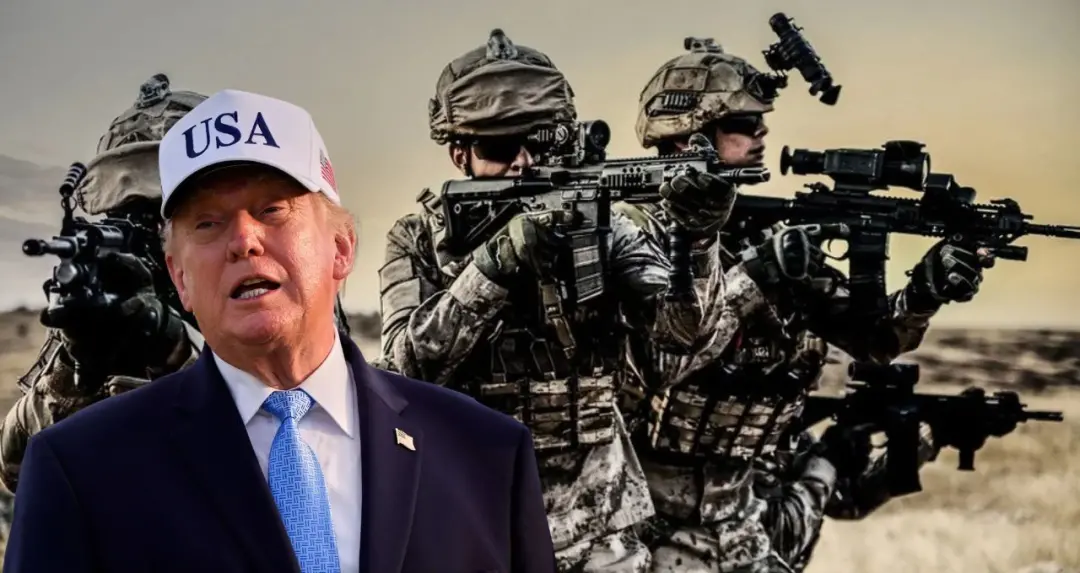
The United States is preparing to send about 9,000 additional troops to the Middle East aboard warships, including the USS Theodore Roosevelt aircraft carrier strike group and the USS Makin Island Amphibious Ready Group. The deployment could result in three US aircraft carriers being stationed in the region by the end of October, as tensions between the United States and Iran remain elevated.
According to US officials, the new deployment could bring three US aircraft carrier strike groups into the Middle East by the end of October. The USS George H.W. Bush and USS George Washington are currently deployed in the region, along with the USS Boxer Amphibious Ready Group.
The new deployment includes the USS Theodore Roosevelt carrier strike group and the USS Makin Island Amphibious Ready Group. Together, the two groups carry more than 7,000 sailors and about 2,000 Marines. This could raise the number of US Navy and Marine personnel in the Middle East to more than 20,000.
The simultaneous presence of three carrier strike groups would represent an unusually large US naval deployment in the region. The US Navy previously had three carrier strike groups in the Middle East in April 2026.
The USS Theodore Roosevelt is deploying with its carrier strike group. The USS Makin Island Amphibious Ready Group includes warships such as the USS John P. Murtha and USS Anchorage.




The deployment will provide additional naval, air and Marine capabilities in the region. US officials have not presented the military buildup as an announcement of a specific attack. Reports indicate that the Trump administration is considering options for further military action against Iran.
President Donald Trump told Time Magazine that increasing US bombing in Iran after the November 3 midterm elections is possible. He declined to provide details about a potential military strategy or specific targets.
Trump has also rejected Iran's latest ceasefire proposal. He said Iran had offered to reopen the Strait of Hormuz, but that the overall proposal was not sufficient for the United States.
Iran had proposed a seven-day plan aimed at reducing tensions and moving toward a ceasefire. The proposal included reopening the Strait of Hormuz and beginning talks on issues related to Iran's nuclear programme.
Iranian Foreign Minister Abbas Araghchi said Iran was prepared to reopen the Strait of Hormuz under an agreement. In return, Tehran wanted restrictions on its assets and funds held abroad to be lifted and permission to sell its oil.
Reports said the proposal was linked to a memorandum of understanding reached in June, which sought to temporarily reduce tensions between the two sides. That arrangement later broke down amid retaliatory attacks.
At the end of September, Iran said it had received a US response to its seven-day proposal. Qatar has mediated between the two sides. Differences emerged not only over the core issues in the proposal but also over the sequence in which various steps would be implemented.
Diplomatic efforts are continuing while the US military deployment is expanding. The United States is sending additional troops, warships and an aircraft carrier to the region, keeping military options available while efforts to reduce tensions through negotiations continue.
The United States has said that preventing Iran from obtaining nuclear weapons is among the main objectives of its military campaign. Trump has also continued to give priority to Iran's nuclear programme in his policy.
Iran, meanwhile, has said it is prepared to negotiate on the nuclear issue while maintaining its stated conditions and rights.
The new US military deployment and diplomatic efforts with Iran are therefore continuing simultaneously. If three US aircraft carrier strike groups are present in the region by the end of October, US military capacity in the Middle East will increase. However, the deployment does not by itself establish that the United States will carry out a new attack.
The US-Iran tensions have implications beyond the military and diplomatic spheres. Any major disruption in the Strait of Hormuz could affect global oil supplies. Crude oil prices rose amid recent military developments, with Brent crude increasing by more than 4% to above $102 per barrel on October 1.
The United States has begun moving additional military capabilities to the Middle East while Iran has put forward proposals for negotiations and a reduction in tensions. Trump's comments about possible military action after the elections and the potential presence of three aircraft carrier strike groups will keep US-Iran tensions under close attention in the coming weeks.