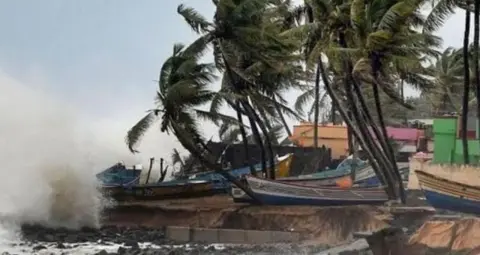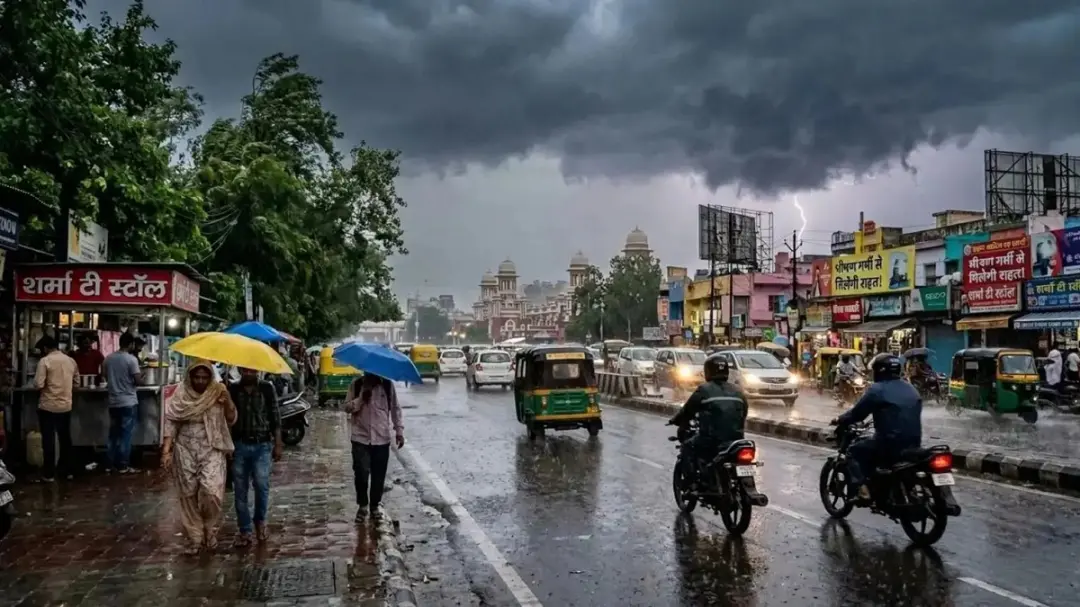
A new weather trend is emerging in Uttar Pradesh, with the southwest monsoon potentially withdrawing from the state around 10 days earlier than usual this year. Weak monsoon activity and indications of renewed strengthening of El Niño in the Pacific Ocean have raised concerns among weather scientists. India’s monsoon has already remained below normal this year, with rainfall about 13% below normal nationwide as of August 24. Recent weather assessments indicate that the rainfall deficit could widen during September, increasing the possibility of an earlier-than-normal monsoon withdrawal.
According to the India Meteorological Department (IMD), the monsoon does not withdraw from the entire country on a single fixed date. The process takes place in phases across different regions. Under normal conditions, withdrawal begins from northwest India before gradually progressing to other parts of the country.
Under the IMD’s official criteria, the declaration of monsoon withdrawal is based on indicators including a sustained reduction in rainfall activity for five consecutive days, the establishment of an anticyclonic circulation in the lower troposphere and a reduction in moisture.
In Uttar Pradesh, the withdrawal of the monsoon has a direct effect on weather conditions. As monsoon activity weakens, rainfall generally declines and daytime temperatures can begin to rise again. However, an earlier withdrawal does not necessarily mean that hot conditions will begin immediately, as local weather systems can continue to produce rainfall in several areas.
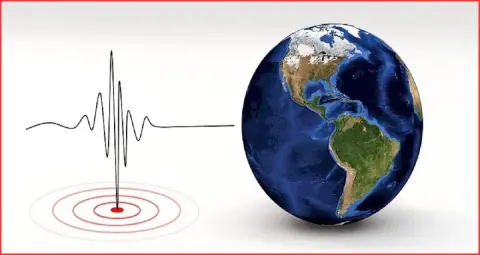
The possibility of an earlier withdrawal this year has increased attention on El Niño. The phenomenon is associated with an abnormal rise in sea-surface temperatures in the Pacific Ocean and can affect the Indian monsoon. Recent reports have raised concerns among scientists over the possibility of a b El Niño developing during 2026. Such a development could increase the risk of below-normal rainfall in India and changes in weather patterns.
The potential impact of a ber El Niño is not limited to the monsoon. It could also influence temperature and rainfall patterns in the following months. However, a precise forecast for the entire winter season cannot be made on the basis of a single weather event. Winter conditions will also depend on western disturbances, snowfall in the Himalayas, conditions in the Pacific Ocean and other global weather systems.



If the monsoon returns early in Uttar Pradesh, rainfall activity could decline during the second half of September. This would have a direct bearing on agricultural fields and kharif crops. Rainfall remains important at this stage for paddy, maize, millet, pulses and other kharif crops. If monsoon activity weakens early, farmers in areas that have not received sufficient rainfall may have to rely more heavily on irrigation.
Rainfall conditions across the country have already remained below normal this year. According to the report, nationwide rainfall in June was 35.4% below normal, while a deficit was also recorded in August. Rainfall improved somewhat in July, but total seasonal rainfall remains below normal.
The impact in Uttar Pradesh could vary across regions. If monsoon activity weakens, temperatures could change more rapidly in western Uttar Pradesh, while local weather systems could continue to produce some rainfall in eastern Uttar Pradesh. Conditions therefore may not be uniform across the state.
An early monsoon withdrawal could also affect water resources. In areas that have received below-normal rainfall, ponds, small rivers and groundwater recharge could be affected. Fewer rainy days can reduce the amount of water stored in the ground, potentially affecting irrigation and drinking-water arrangements in the coming months.
September is important for farmers because kharif crops require water during their final development stages. If rainfall ends early during this period, farmers may need to use private irrigation facilities to maintain crop conditions. The situation could be more difficult for farmers without adequate irrigation facilities.
At the same time, areas that received excessive rainfall during the monsoon could see a reduction in waterlogging as the monsoon withdraws early. However, the distribution of rainfall will remain important. The total rainfall figure for the state alone does not determine the weather impact on farmers and the wider population.
The question of how winter will unfold is also receiving attention. A ber El Niño could have different effects on India’s weather, but it is too early to determine whether Uttar Pradesh will experience severe cold or a warmer-than-normal winter. Scientists assess winter conditions by considering multiple weather systems.
El Niño generally increases the risk of weaker rainfall in India. According to the IMD, ENSO, or El Niño-Southern Oscillation, is a major factor behind year-to-year variations in the Indian monsoon. Other oceanic and atmospheric conditions, including the Indian Ocean Dipole, also influence monsoon conditions.
The effect of El Niño on winter is neither direct nor identical every year. The number and strength of western disturbances, snowfall in Himalayan regions and wind patterns over northern India play important roles in determining the intensity of cold conditions. Therefore, it would not be appropriate to conclude at this stage that Uttar Pradesh will experience a milder winter solely because of El Niño.
The strengthening of El Niño is nevertheless important to weather scientists because it could affect broader weather patterns in subsequent seasons. International discussion has also increased over the possibility of a ber El Niño during 2026. Some scientific assessments have indicated the possibility of it becoming considerably ber by the end of the year.
If the monsoon withdraws early and the rainfall deficit persists, several parts of Uttar Pradesh could experience relatively dry conditions toward the end of September and the beginning of October. Daytime sunshine could feel more pronounced, while temperatures during the morning and night could gradually begin to change. After October, the process of increasing coolness begins, although the timing of the onset of actual winter varies from year to year.
Fog is another important winter weather phenomenon in Uttar Pradesh. Particularly in eastern Uttar Pradesh and the Gangetic plains, dense fog can occur when moisture and wind conditions are favourable. A clearer assessment of fog and cold conditions will be possible only after weather systems during October and November become clearer.
An earlier withdrawal of the monsoon could also affect the festival season. If September and October remain dry, outdoor events could face fewer disruptions from rainfall, although a higher-than-normal temperature could maintain a feeling of warmth. Weather conditions in northern India change rapidly during October, with the difference between daytime and nighttime temperatures gradually increasing.
The IMD is continuing to monitor the progress and withdrawal of the monsoon. Updates related to monsoon activity, rainfall figures, monsoon withdrawal and ENSO conditions are available through the department’s website.
Throughout the season, rainfall distribution will remain as important as the overall rainfall total. If some areas receive adequate rainfall in September, crops and water resources in those areas could benefit. However, prolonged periods without rainfall could increase water shortages in areas that have already received less rain.
Farmers in Uttar Pradesh will need to follow the next weather updates closely. In areas where soil moisture is adequate, an early monsoon withdrawal may not immediately cause significant damage to crops. In areas facing rainfall shortages, however, the need for irrigation could increase. September rainfall will also remain important for agricultural assessments concerning the final stage of kharif crops.
At present, the possibility of an early monsoon withdrawal and the strengthening of El Niño have emerged as significant weather factors. India’s rainfall is already below normal this year, and the rainfall deficit is expected to carry a risk of widening in September. The possibility of an early monsoon withdrawal in Uttar Pradesh is therefore relevant for farmers and others dependent on weather conditions.
The winter outlook, however, remains unclear. A ber El Niño could increase the possibility of changes in weather patterns, but reliable estimates of the intensity of cold, fog and cold-wave episodes in Uttar Pradesh will only become possible in the later months. For now, weather experts are closely watching conditions in the Pacific Ocean, the withdrawal of the monsoon and rainfall during September.
Overall, an early monsoon withdrawal and strengthening El Niño are emerging as two key factors for Uttar Pradesh’s weather this year. If the monsoon actually withdraws around 10 days earlier than normal, the possibility of increasingly dry conditions in the state after September could rise. Winter conditions, however, will require further weather signals before any conclusion can be reached.