The central government has introduced the VB-G Ram Ji Bill 2025 in the Lok Sabha to replace the Mahatma Gandhi National Rural Employment Guarantee Act (MGNREGA) with a new scheme called 'G Ram Ji'. The bill proposes increasing the number of employment days to 125 and sharing the expenditure with the states, a provision that has drawn b opposition from the opposition parties.
New Delhi: Taking a step towards making significant changes to the rural employment system, the central government has presented the VB-G Ram Ji Bill, 2025 in the Lok Sabha. With the introduction of this bill, preparations are underway to implement a new scheme in place of the Mahatma Gandhi National Rural Employment Guarantee Act, commonly known as MGNREGA. The proposed scheme has been named 'Vikसित Bharat, Guarantee for Employment and Livelihood Mission (Rural)', and is being referred to as 'G Ram Ji' in short. The introduction of this bill in Parliament has immediately intensified the political atmosphere, with the ruling party and the opposition facing each other.
Pandemonium in Lok Sabha as Bill is Introduced
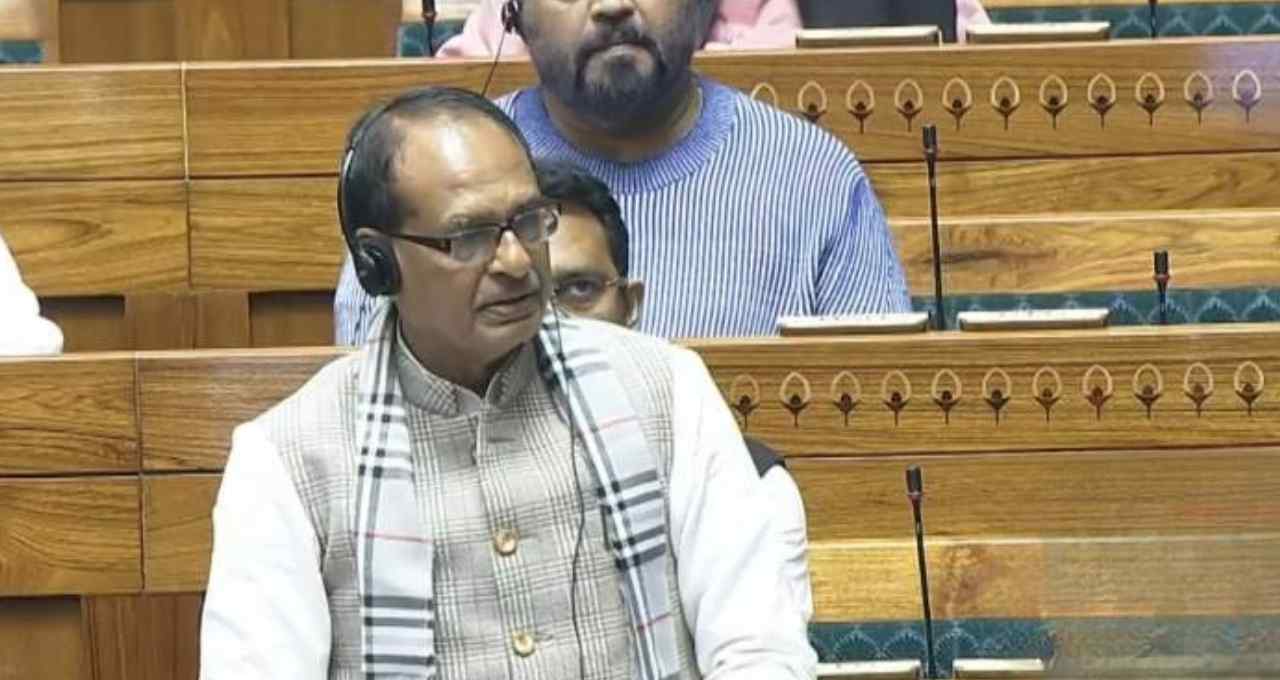
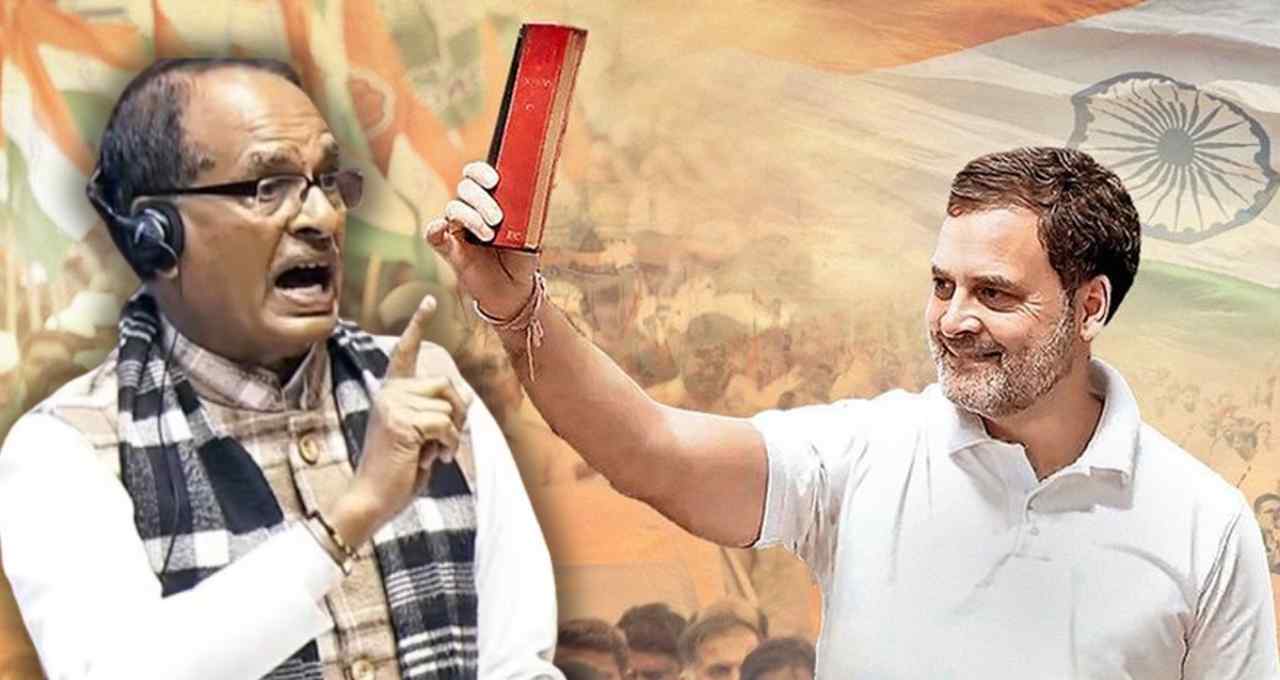
On Tuesday, Union Agriculture Minister Shivraj Singh Chauhan presented the bill in the Lok Sabha. As soon as the bill was introduced, a heated debate and uproar erupted in the House. The government claims that this new law is an important step towards making rural India self-reliant and increasing employment opportunities. However, the opposition alleges that it is an attack on the rights of the poor and will increase the financial burden on the states.
The government has clarified that this change is being made in line with the national vision of 'Developed India 2047', to strengthen the rural economy in the coming years.
What is the Purpose of the 'G Ram Ji' Scheme?


According to the government, the main objective of the 'G Ram Ji' scheme is to provide rural families with better opportunities for employment and livelihood. Under the existing MGNREGA, rural families are entitled to 100 days of employment per year. The new bill proposes to increase this period to 125 days.
The government claims that the additional 25 days of employment will further strengthen economic security for rural poor. Additionally, it will promote infrastructure and livelihood-related works in villages.
Major Change in Expenditure Responsibility
The most significant and controversial provision of this bill relates to expenditure responsibility. Until now, the central government has borne the entire financial burden of MGNREGA. However, under the 'G Ram Ji' scheme, the states will also have to bear a share of the expenditure.
According to the proposal, states will have to bear 10 to 40 percent of the cost. This percentage will be determined based on the state's economic condition and other parameters. The central government argues that this will increase state participation and lead to better implementation of the scheme.
Another major change in the new bill is that employment under the scheme will not be provided for approximately 60 days during the sowing and harvesting seasons. The government says that the purpose of this is to prevent a shortage of labor during agricultural operations.
The center argues that laborers often move to programs like MGNREGA during the farming season, leaving farmers without workers on time. This provision attempts to balance agriculture and rural employment.
Union Minister Shivraj Singh Chauhan has dismissed the opposition's allegations outright. He stated that Mahatma Gandhi is not just a name, but an inspiration. Gandhiji spoke of establishing Ram Rajya, and 'G Ram Ji' is a name connected to that very thought.
He said that the goal of this scheme is to deliver the benefits of development to the last person in society. He claimed that this bill is a major step towards enhancing the dignity of the poor and realizing Gandhiji's dreams.
Strong Opposition from the Opposition
The opposition has launched a scathing attack on the government regarding this bill. Congress MP Rahul Gandhi said that this law is an attempt to weaken MGNREGA and turn it into a tool of central control. He alleged that the budget and rules will be decided by the center, while an additional financial burden will be placed on the states.
Rahul Gandhi said that MGNREGA is a living example of Gandhiji's Gram-Swraj dream. It has been a lifeline for crores of rural families and proved to be an economic safety net during the Covid period.
Questions Raised on the Rights of the Poor
Rahul Gandhi also said that Prime Minister Narendra Modi hates Mahatma Gandhi's ideas and the rights of the poor. According to him, efforts have been made to weaken MGNREGA for the past ten years, and now preparations are being made to erase its very existence.
He described the ban on employment during the crop season as detrimental to poor laborers. He said that it will deprive laborers of work for months and directly affect their income.
Reactions from Other Opposition Parties
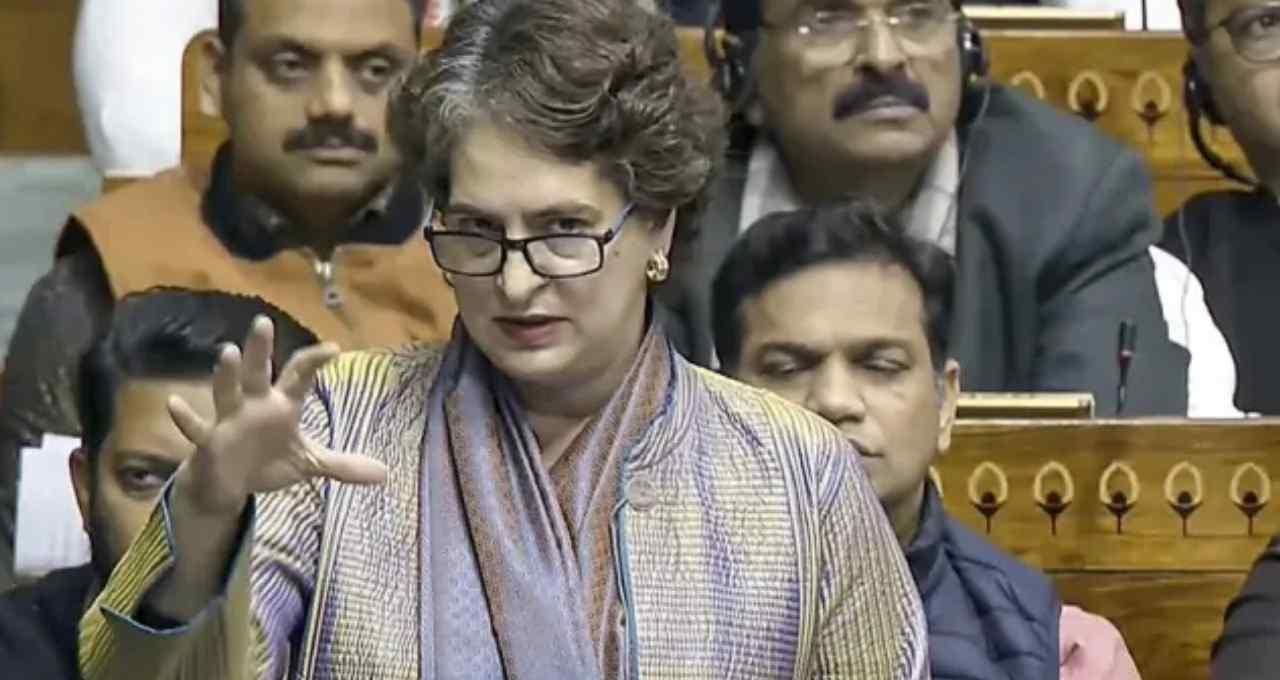
Congress leader Priyanka Gandhi accused the government of having an obsession with renaming schemes. She said that changing names does not change the ground reality. Samajwadi Party MP Akhilesh Yadav also opposed the bill, saying that it would create a financial crisis for the states. Many states are already under financial pressure, and now they will also have to bear the cost of the rural employment scheme, which could affect development work.
Political Heat in Bihar
This bill has also sparked a flurry of activity in Bihar politics. Rashtriya Janata Dal spokesperson Chitaranjan Gagan said that the central government has no new vision. According to him, schemes started during the UPA government are being presented as new achievements by changing their names.
He alleged that the central government is only engaged in the politics of renaming, while no concrete work is being done on real issues like employment, inflation, and poverty.