Middle East geopolitical tensions are expected to impact not only the global economy but also emerging economies including India, according to the Asian Development Bank (ADB). The multilateral institution has warned that crude oil prices could remain elevated for an extended period if the crisis continues, affecting India’s economic growth and inflation outlook.
ADB Chief Economist Albert Park said prolonged or escalating tensions in the Middle East could severely disrupt global supply chains. He estimated that average crude oil prices could remain around $96 per barrel in 2026 and close to $80 per barrel in 2027. Higher oil prices could increase global energy costs and place additional pressure on oil-importing countries, particularly India.




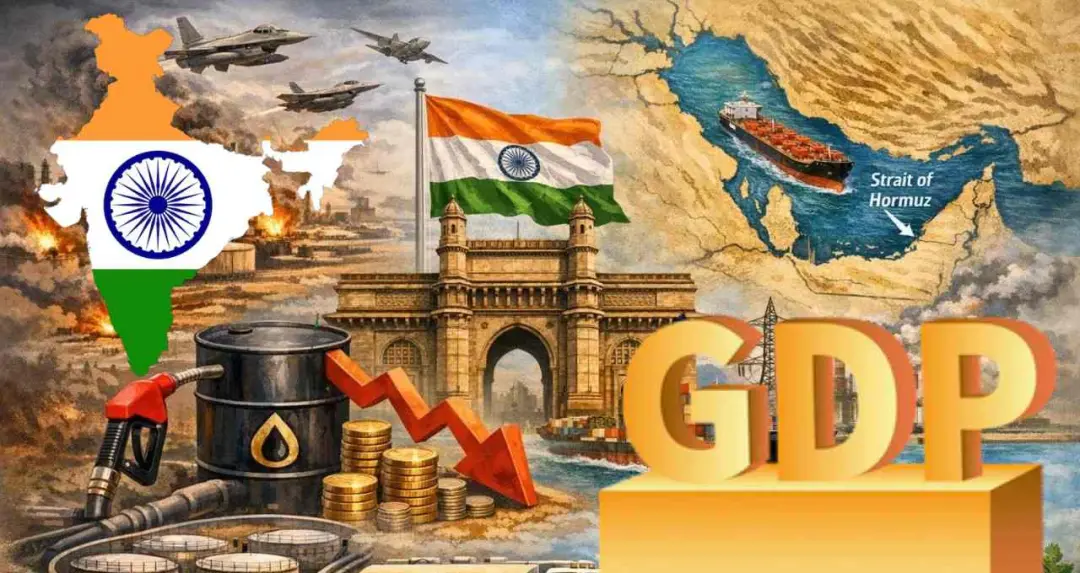
India is among the world’s largest crude oil importers, making the economy vulnerable to fluctuations in global energy prices. According to ADB, sustained increases in crude oil prices could reduce India’s GDP growth by around 0.6 percentage points, slowing the country’s economic expansion from earlier projections.

ADB had previously projected India’s economy to grow at approximately 6.9% in the current financial year and 7.3% in the next financial year. However, the institution indicated that the current global situation has placed these growth estimates under pressure.
The report also warned of a significant increase in inflation due to rising crude oil prices. ADB revised its inflation forecast for the current financial year from 4.5% to around 6.9%, indicating a potential increase of nearly 2.4 percentage points.
India imports a substantial share of its energy requirements, making domestic economic conditions sensitive to changes in global oil and gas prices. However, ADB said that if the global situation stabilises, India’s economy could regain ber growth momentum.