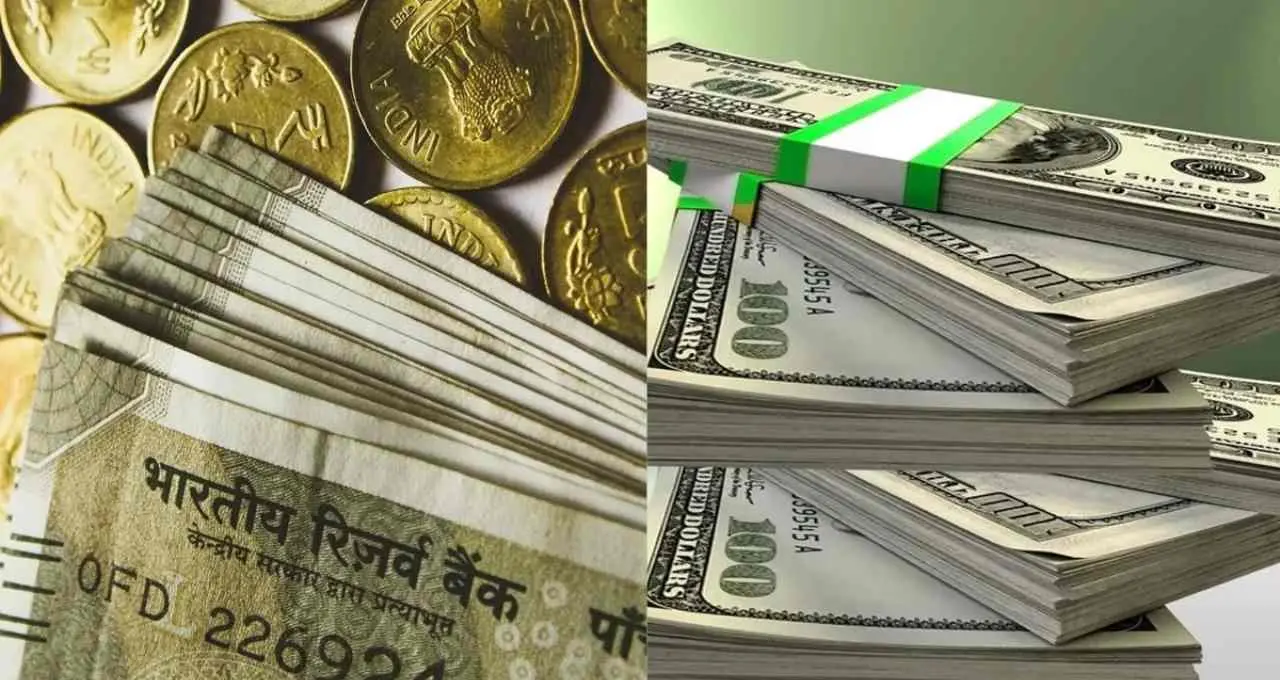
The Indian rupee weakened to 95.17 against the US dollar on Monday, marking its lowest level so far in 2026 amid pressure from global and domestic economic factors.
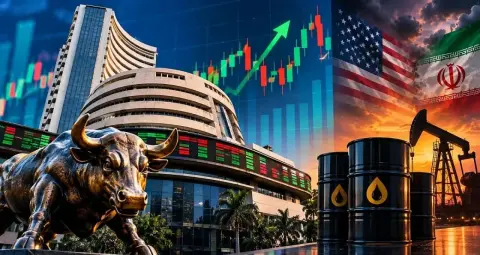
The decline in the currency was attributed to rising crude oil prices, geopolitical tensions in West Asia and heavy selling in domestic equity markets.




According to market experts, the rupee could remain under pressure in the coming years if current global conditions persist. Some analysts have projected the possibility of the currency weakening to 100 against the US dollar by 2026, although they described the scenario as speculative.
India imports nearly 85% of its energy requirements, making the economy highly sensitive to fluctuations in crude oil prices. Brent crude prices recently surged to nearly $105 per barrel, increasing India’s import bill and raising demand for the US dollar, which in turn weighed on the rupee. Higher oil prices also increase pressure on the trade deficit and foreign exchange reserves.
Geopolitical tensions in the Middle East and concerns over a potential escalation in conflict have increased uncertainty in global markets. In such conditions, investors typically shift towards safe-haven assets such as the US dollar, strengthening the currency globally. Concerns related to tensions between Iran and the United States and risks to energy supplies have also affected global markets.
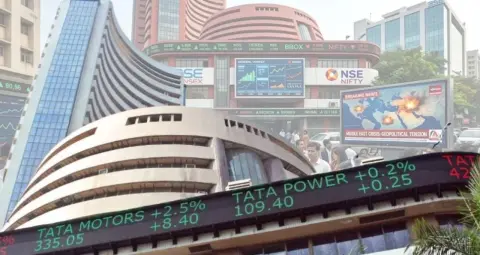
Recent declines in Indian equity markets triggered selling by foreign institutional investors, increasing demand for the US dollar and adding pressure on the rupee. Sharp declines in the Sensex and Nifty were accompanied by significant capital outflows from the market, further weakening the domestic currency.
The US dollar has remained firm globally due to the relative stability of the US economy and prevailing interest rate conditions. A ber dollar index generally leads to weakness in currencies of emerging economies.
Market experts said the rupee’s direction will depend largely on global and domestic economic conditions. Analysts said prolonged elevated crude oil prices, rising geopolitical tensions and sustained declines in foreign investment could maintain long-term pressure on the currency.
However, several economists said India’s economic growth, rising exports and policies of the Reserve Bank of India could help maintain stability in the rupee. They said the 100-per-dollar level remains a possible but uncertain projection at this stage.