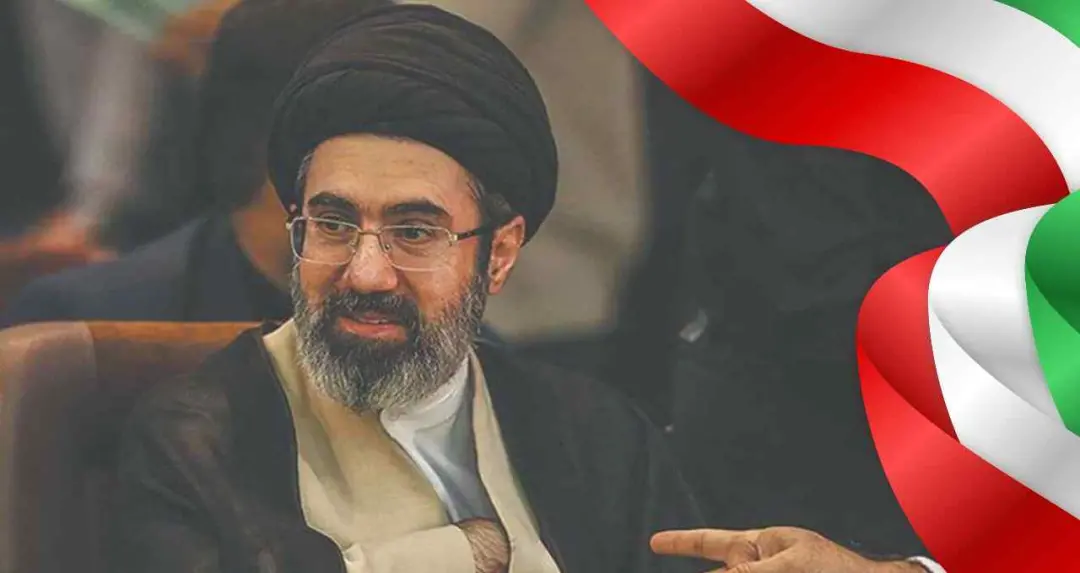
Following the death of Ayatollah Ali Khamenei, Mojtaba Hosseini Khamenei has been selected as Iran’s new Supreme Leader. The decision was taken by the Assembly of Experts, the influential clerical body responsible for appointing and supervising the country’s Supreme Leader.
Mojtaba Khamenei has assumed the position previously held by his father, taking on the highest political and religious authority in Iran. This marks the third time in Iran’s history that a leader has been appointed to the position of Supreme Leader.
According to reports, the decision was taken within days of Ayatollah Ali Khamenei’s death. The 88-member Assembly of Experts selected Mojtaba Khamenei as the new Supreme Leader through a decisive vote.
Selection by the Assembly of Experts
Within Iran’s political system, the Assembly of Experts holds the authority to appoint and supervise the Supreme Leader. The body consists of 88 members who are religious scholars and senior Islamic experts.
After deliberations, the members of the Assembly voted to appoint Mojtaba Khamenei as Iran’s third Supreme Leader. The announcement formally transferred the country’s highest religious and political authority to him.


Oath of loyalty by the military and IRGC
Following the announcement of Mojtaba Khamenei’s appointment, Iran’s military and political institutions responded immediately. Iran’s regular armed forces and the Islamic Revolutionary Guard Corps (IRGC) pledged loyalty to the new Supreme Leader.
In a statement, the IRGC said it was prepared to follow the orders of the new Supreme Leader and make every possible sacrifice to defend the country. Military leadership also stated that they remain committed to maintaining national security and stability under Mojtaba Khamenei’s leadership.
Support from political leadership
Alongside military institutions, Iran’s political leadership expressed support for the new Supreme Leader. Several senior leaders, including the Speaker of Parliament, described Mojtaba Khamenei’s selection as a religious and national duty.
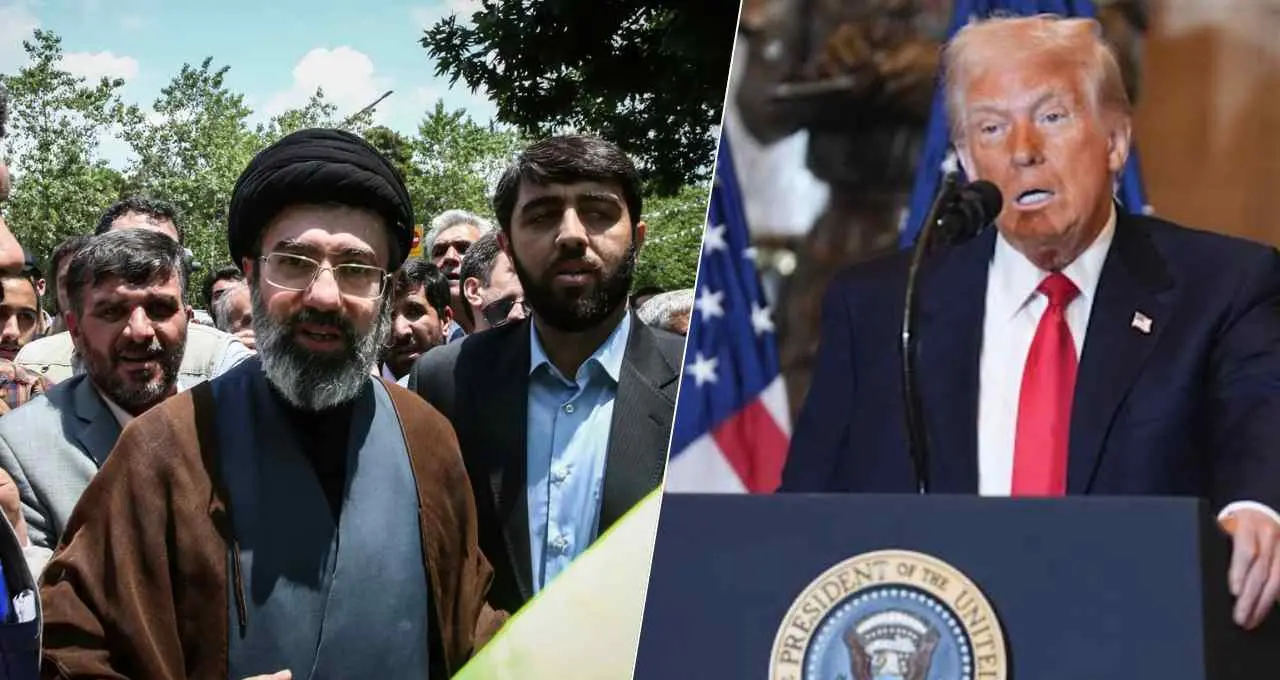
Officials stated that the country requires b leadership under the current global and regional circumstances. Several leaders also said Iran needs national unity at this time and called on all institutions to work together in the country’s interest.
Influence within the power structure
Mojtaba Khamenei has long been regarded as a figure close to the center of Iran’s power structure. Although he appeared infrequently in public, he was widely considered influential in political circles.
He remained associated with his father’s office for several years and was often linked to discussions surrounding important decisions. Analysts frequently described him as a “power broker” and “gatekeeper” because of his perceived influence over access to the leadership and decision-making processes.
His close relations with the Islamic Revolutionary Guard Corps have also been widely discussed and are considered to have strengthened his political standing.
Service during the Iran–Iraq War
Mojtaba Khamenei’s background includes both religious and military experience. During his youth, he participated in the Iran–Iraq War.
In the later years of the conflict between 1980 and 1988, he served in the Habib ibn Mazahir Battalion of the Islamic Revolutionary Guard Corps. At the time, he was reported to be approximately 17 to 18 years old.
Several commanders who served during the war later rose to senior positions within Iran’s military establishment. The experience is regarded as having contributed to Mojtaba Khamenei’s familiarity with military affairs and strengthened his connections with the country’s security institutions.
Religious education and clerical rank
After the war ended, Mojtaba Khamenei focused on religious education. He moved to the Iranian religious center of Qom, where he pursued studies in Shia Islamic scholarship.
He studied under several conservative religious scholars and continued religious education for an extended period. His current clerical rank is reported as Hojjat-ol-Islam, considered a mid-level clerical status within Iran’s religious hierarchy.