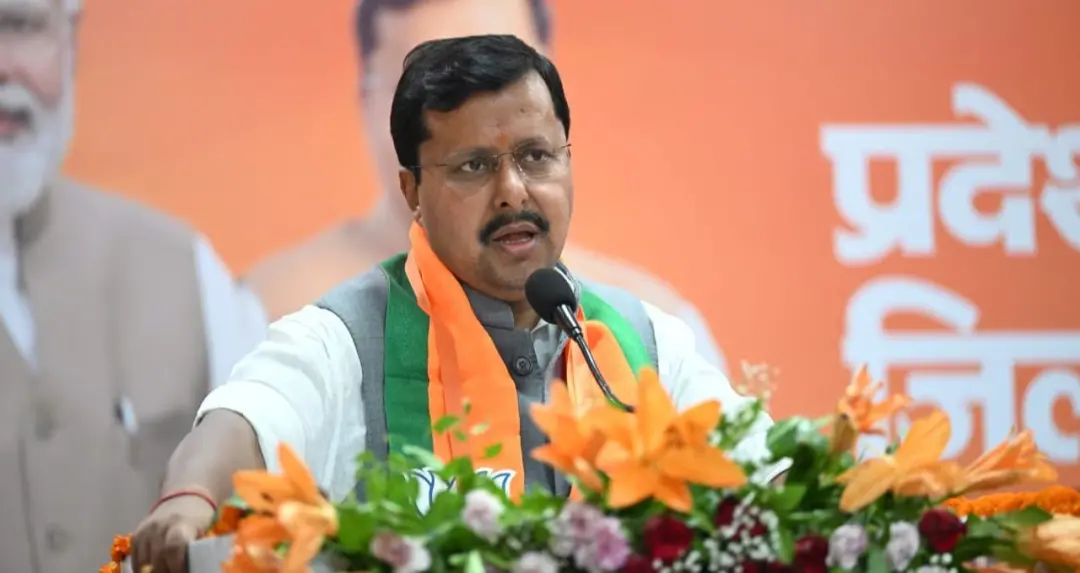
The political dispute between the Bharatiya Janata Party (BJP) and the Congress intensified following a protest by Congress leaders outside the Prime Minister's residence. BJP National President Nitin Navin criticized the demonstration led by Congress leader Rahul Gandhi, describing it as "politics of anarchy."
Speaking to reporters, Nitin Navin said that while everyone has the democratic right to protest, there are limits to such demonstrations. He alleged that the protest outside the Prime Minister's residence was not an expression of political disagreement but an act that challenged the established order.
Nitin Navin described Rahul Gandhi's conduct as "improper and condemnable." He said that opposing government policies is the opposition's democratic right, but stressed that there is a distinction between protest and anarchy. He alleged that Rahul Gandhi did not uphold the dignity of the constitutional office of the Leader of the Opposition. According to Navin, the office of the Leader of the Opposition plays an important role in India's democratic framework, and the person holding the position is expected to act responsibly.


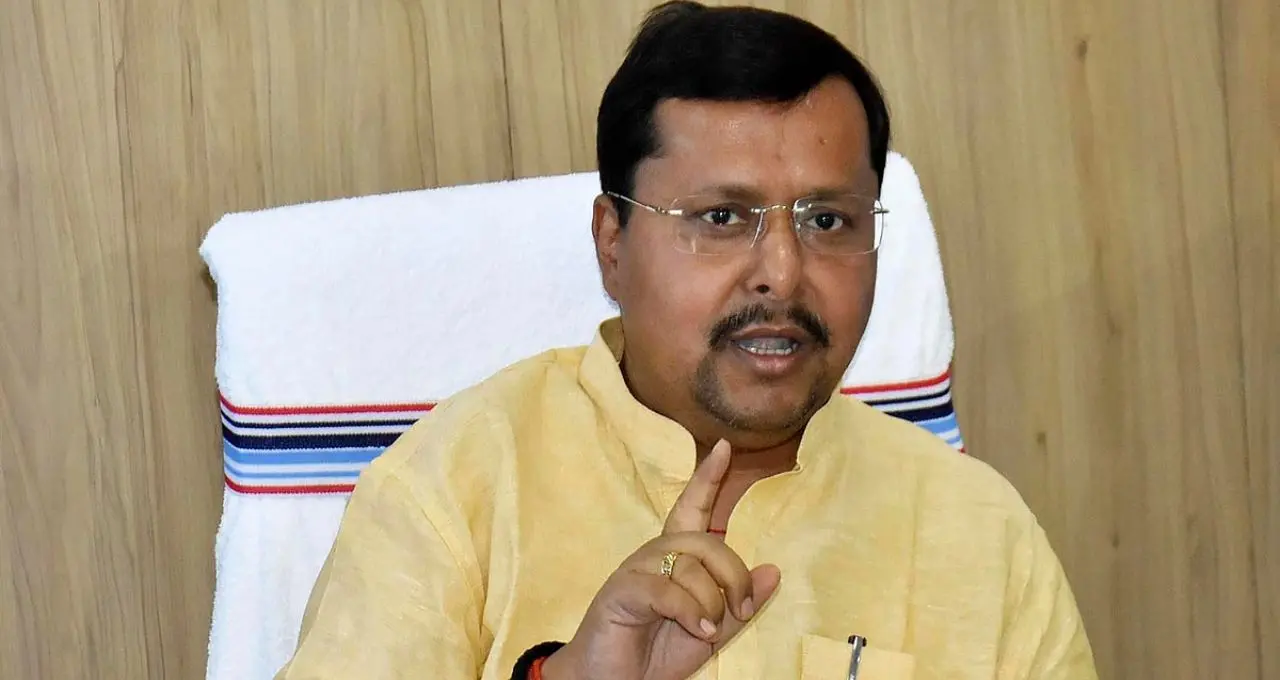
Nitin Navin said that when protests cross democratic limits, they become acts of anarchy. He stated, "Protest and anarchy are two different things. When a protest crosses the limits of propriety, it becomes anarchy." He alleged that Rahul Gandhi has consistently engaged in politics that affects the dignity of institutions and constitutional offices.
Nitin Navin said that the Prime Minister is not the leader of a single political party but the elected representative of the entire country. He stated that the office of the Prime Minister is associated with the faith and trust of millions of citizens. He therefore argued that holding a protest outside the Prime Minister's residence was inappropriate. He alleged that the Congress leaders' action was an attempt to create political pressure rather than a democratic protest.
The controversy followed a Congress protest in which Rahul Gandhi, Congress President Mallikarjun Kharge, Priyanka Gandhi Vadra, and several other senior leaders gathered outside the Prime Minister's residence. Congress leaders said the demonstration was held to protest the alleged NEET question paper leak and police action against students. The opposition demanded accountability in the education system and action against those responsible. Congress alleged that examination-related irregularities had affected the future of millions of students and said the government should respond to the issue.
During the protest, Minister of State in the Prime Minister's Office Jitendra Singh and Union Home Secretary Govind Mohan met Rahul Gandhi and appealed to him to end the sit-in. Rahul Gandhi and other opposition leaders declined to withdraw the protest. Police subsequently removed the protesters from the site and detained some leaders. Political sloganeering and commotion were reported during the protest. Samajwadi Party chief Akhilesh Yadav also reached the protest site in support of Rahul Gandhi and was detained. Rahul Gandhi, Akhilesh Yadav, and the other detained leaders were later released.
Congress leaders alleged that the government was attempting to suppress the voices of students. The party said it was the opposition's responsibility to seek answers both inside Parliament and on the streets over the NEET paper leak issue. Congress President Mallikarjun Kharge and other leaders said the government should demonstrate transparency and fix accountability on matters concerning students' future.
The developments have intensified political tensions between the central government and the opposition. Congress has described the protest as a movement in support of students and young people, while the BJP has characterized it as a political demonstration and an anti-establishment act. The BJP has stated that the government has already initiated an investigation and action in the NEET matter, while the opposition has continued to demand discussion in Parliament and accountability from the government.
Following Rahul Gandhi's protest, debate has resumed over the limits of democratic protest. Political experts have said that while protest is an important part of democracy, maintaining the dignity of public institutions and constitutional offices is equally important. Opposition parties have argued that raising objections to government policies and decisions is their democratic right.
The NEET paper leak issue and the Congress protest are expected to remain subjects of political exchanges inside and outside Parliament in the coming days. While the BJP has accused the Congress of engaging in politics of anarchy, the Congress has continued to seek answers from the government on issues affecting students. The issue is expected to remain a prominent subject of political debate during the Monsoon Session.