The Cabinet Secretariat has declined to initiate further action on complaints filed by two Election Commissioners against a senior official of the Election Commission of India (ECI), citing the absence of an official communication representing the commission as a whole.
Documents obtained under the Right to Information (RTI) Act show that two Election Commissioners wrote separate letters to Cabinet Secretary T. V. Somanathan expressing concerns about the functioning of Senior Deputy Election Commissioner Manish Garg. The Cabinet Secretariat declined to take formal action, arguing that the letters had been sent in the commissioners' individual capacities rather than as official communications from the full commission.
According to a report by news agency PTI, the details emerged in response to an RTI application filed by retired Commodore Lokesh K. Batra. The documents have brought renewed attention to concerns over the allocation of administrative responsibilities and the division of work among senior officials within the Election Commission.


The case raises questions about whether two officeholders of a constitutional institution can directly approach the Centre's top administrative official with complaints against a senior officer of their organisation and what procedure should govern the consideration of such complaints.
According to the report, Election Commissioners Sukhbir Singh Sandhu and Vivek Joshi sent separate letters to Cabinet Secretary T. V. Somanathan on July 29, raising concerns about the administrative functioning of Senior Deputy Election Commissioner Manish Garg.
The complaints alleged that Garg had changed the distribution of work among senior deputy election commissioners, deputy election commissioners, director generals and officers of equivalent rank without consulting the officials concerned.
These allegations reflect concerns raised in the complaints. The available information does not establish that the officer violated any rules or that the allegations have been substantiated.
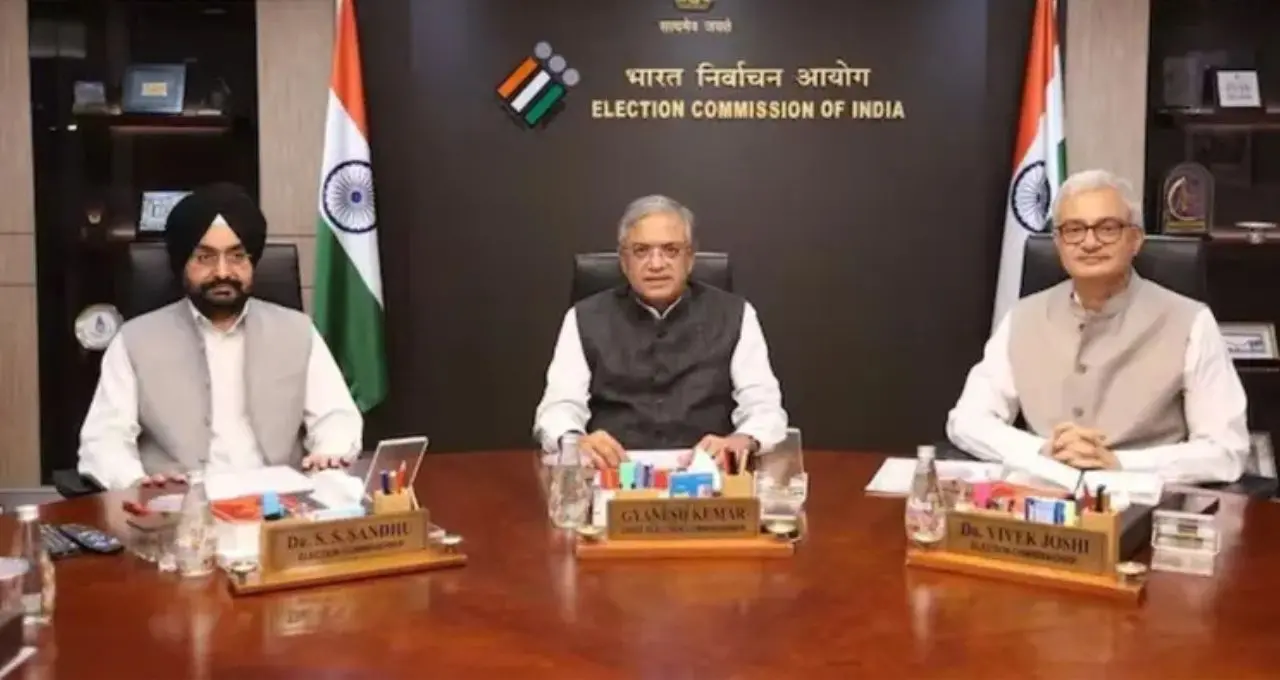
According to a note from the Cabinet Secretariat disclosed in the RTI response, the two letters warranted attention but could not be treated as official complaints from the Election Commission as a whole. The secretariat argued that taking action on the basis of the letters without formal communication from the commission would not be appropriate. Such action could be viewed as interference in the internal functioning of an independent constitutional institution.
The secretariat therefore proposed acknowledging receipt of the letters and forwarding copies to the Principal Private Secretary to the Chief Election Commissioner for information. According to the documents, the letters were also placed on record so that they could be considered in future decisions concerning the officer.
The decision to retain the correspondence in the administrative record was distinct from initiating immediate formal action on the complaints. The documents indicate that the secretariat chose to preserve the letters for possible future consideration rather than disregard them entirely.
The case also raises questions about why the two Election Commissioners approached the Cabinet Secretary directly instead of using the Election Commission's internal mechanisms. It has drawn attention to the procedures for resolving complaints within the institution and the role of consultation in administrative decisions.
The Election Commission of India is a constitutional body responsible for conducting elections and overseeing the electoral process in the country. The manner in which administrative disagreements among its officials are addressed is therefore relevant to institutional transparency and accountability.
However, the available documents are insufficient to conclude that directly sending the letters violated established procedures. Such a determination would require information on the applicable rules, the commission's internal procedures and official explanations from all parties concerned.