CAPTCHA has become a core component of internet security, enabling websites to distinguish between human users and automated bots. It is widely deployed before logins, form submissions, and payments to prevent fraudulent accounts, spam, and data theft by automated programs.




Across the internet, CAPTCHA is used to block fake form submissions, spam activity, and unauthorized access attempts. Automated bots are commonly employed to hijack accounts, submit false data, or conduct repeated login attempts. CAPTCHA acts as a digital test to restrict such activity and reduce the risk of data compromise for both users and websites.
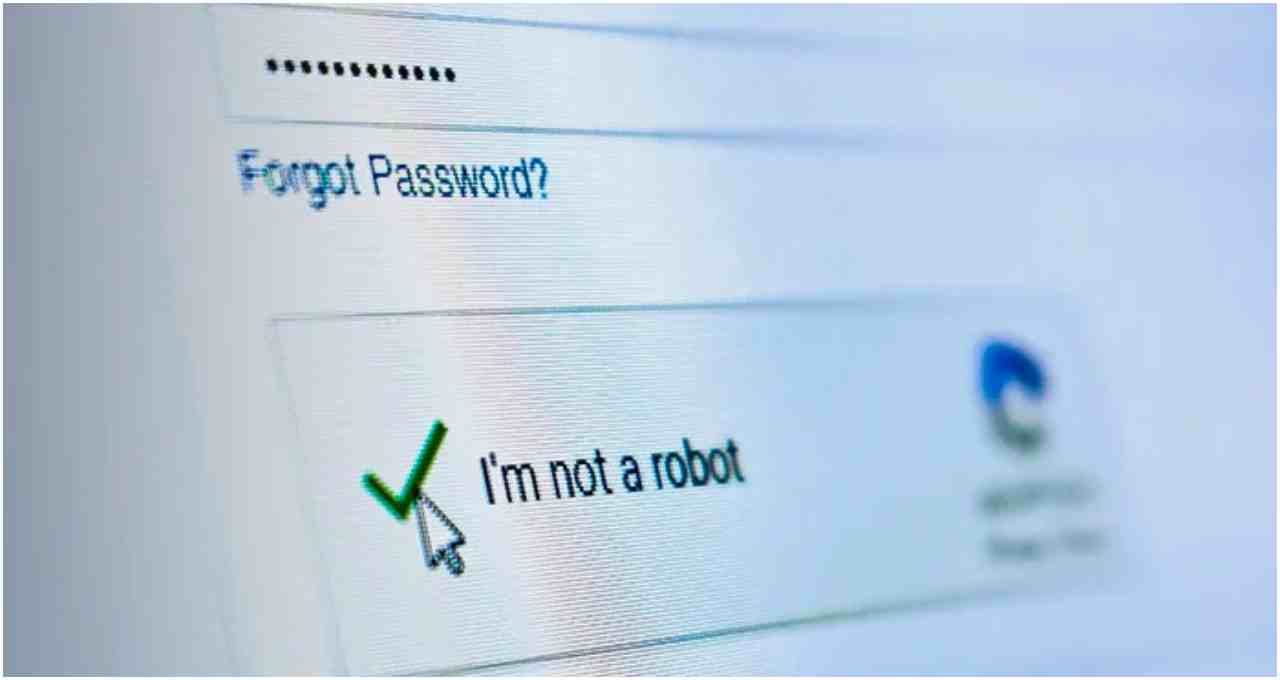
Security systems have evolved beyond earlier CAPTCHA formats that relied on distorted text recognition. Google’s reCAPTCHA now strengthens protection by analysing mouse movement, click behaviour, and browsing patterns. In many cases, selecting an “I’m not a robot” checkbox is sufficient, as user activity is assessed in the background.
Newer CAPTCHA models are based on machine learning and artificial intelligence. These systems identify automated behaviour while also helping manage website traffic, limiting unnecessary server load caused by repeated automated requests. The objective is to maintain security without disrupting the user experience.
CAPTCHA is used to prevent fake comments, manipulation of online voting systems, and brute-force account attacks. By limiting automated activity, it supports data protection and helps maintain trust in online platforms. Developers continue to refine CAPTCHA systems to improve accuracy and usability while maintaining security standards.