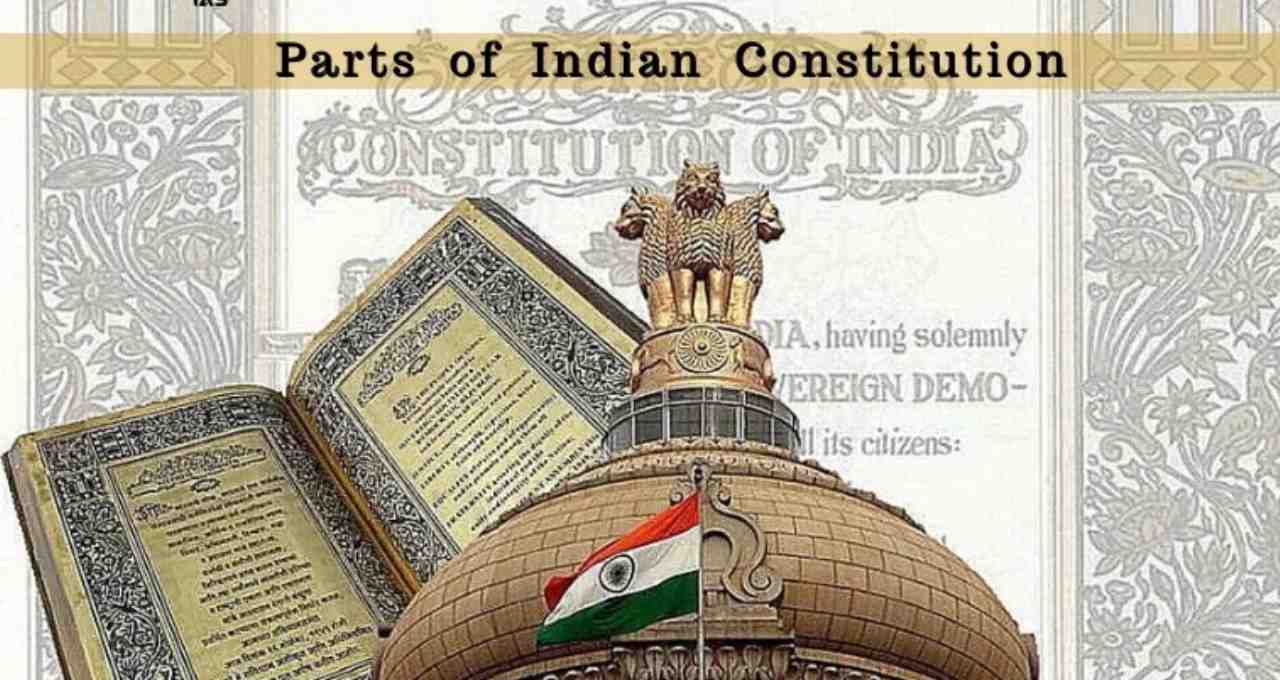
The Constituent Assembly of India adopted the Constitution of India on November 26, 1949, which came into effect on January 26, 1950. For this reason, Constitution Day is celebrated every year on November 26, a tradition that began in 2015.
Constitution of India: India is one of the world's largest democracies, and its Constitution grants extensive rights to its citizens. The Indian Constituent Assembly adopted the Constitution on November 26, 1949, which came into force on January 26, 1950. Due to this significance, Constitution Day is celebrated every year on November 26.
While most people are aware of fundamental rights, there are many practical legal rights that are highly useful for the common citizen and of which a large population remains unaware. These rights not only protect citizens but also help them access justice.
1. Right to Free Legal Aid
If a person is economically disadvantaged and involved in a criminal or civil lawsuit, they have the right to free legal aid under Article 39A of the Constitution. It is the State's responsibility to provide such a person with a lawyer at government expense. The Supreme Court has recognized this as a fundamental right in several landmark cases.
2. Right to Speedy Justice




Article 21 of the Constitution protects life and personal liberty. This also includes the provision that a person cannot be kept in jail for an unnecessarily long period. If a person remains in jail as an undertrial prisoner for years and is later proven innocent, they may be entitled to compensation. It is mandatory to present the accused before a magistrate within 24 hours of arrest.
3. Right to Medical Examination and Entry in Arrest Register
At the time of arrest, it is mandatory for the police to make a complete entry in the police station's arrest register. Additionally, a medical examination of the arrested person is also legally required. Failure to do so may result in action against the concerned police officer.
4. Right to Remain Silent
During interrogation, no person can be compelled to make a statement against themselves. This right is guaranteed under Article 20(3) of the Constitution, known as protection against self-incrimination. The police cannot coerce a confession.
5. Right to Receive a Free Copy of the FIR
Any complainant has the right to immediately receive a free copy of the FIR. If the police refuse to provide it, the citizen can directly file a complaint with the magistrate. This is a very important provision for maintaining transparency.
6. Special Rights Related to Women's Arrest at Night
According to the law, a woman can only be arrested after 6 PM in the presence of a female police officer. If this rule is violated, the arrest can be deemed illegal. This law has been specifically created for women's safety.
7. Free Emergency Treatment at Government Hospitals
According to Supreme Court directives, no government hospital has the right to refuse admission to a patient in an emergency, regardless of whether they have an identification card. Refusal of treatment can lead to legal action against both the hospital and the doctor.
8. Right to Access Own Information Under RTI
Indian citizens can request copies of their files from the police, Income Tax Department, passport office, and other government institutions under the RTI (Right to Information) Act. Departments are obligated to provide information, except in certain highly confidential cases.
9. Voting Rights of Undertrial Prisoners
Prisoners whose trials are ongoing, meaning those who have not been proven guilty, are not deprived of their right to vote. However, convicted criminals do not have the right to vote.
10. Right to Presence of Witness During Search
When the police search a person's home or vehicle, the presence of two independent witnesses is mandatory. A seizure conducted without witnesses can be challenged in court.
11. Right of Women to Maintenance
Married, divorced, and women in long-term live-in relationships are also entitled to receive maintenance. This amount can typically be one-third of the husband's income, ensuring the woman's financial security.
The Indian Constitution is not merely a document of rights; it is a guarantee of citizens' dignity, security, and justice. Every individual should be aware of these important legal rights so that they can speak up for their entitlements in any situation. Awareness is the greatest weapon through which we can build a b and just society.