Many myths about air purifiers still persist among people. From the belief that air becomes clean as soon as the machine is turned on, to the idea that larger machines are more effective, several assumptions turn out to be false. Experts state that room size, filter capacity, and proper usage are the true determinants in improving air quality.
Air Purifier Myths vs. Reality: Amidst rising air pollution in North India, a large number of people are using air purifiers, but many misconceptions about them are rapidly spreading. The questions are: Does the air become clean instantly as soon as the machine is turned on? Is it unnecessary in closed rooms? Or can it also stop viruses? Experts say that while air purifiers do help filter airborne particles, many popular beliefs are far from reality.
Does an air purifier clean the air instantly upon activation?
People often assume that as soon as the machine is turned on, the room becomes purified instantly. This assumption is completely wrong, as filtering the air takes time. Depending on the machine's capacity, room size, and pollution level, improving air quality can take anywhere from a few minutes to an hour.




The habit of repeatedly turning the machine on and expecting immediate results also creates a misunderstanding. An air purifier delivers better results when operating continuously, so it's essential to use it with the correct timing and settings.
Is an air purifier unnecessary in a closed house?
It's also a misconception that there's no pollution in a closed room. Airborne particles are so small that they can enter through windows, doors, and even clothing. A clean-looking house doesn't mean it's free from pollution.
Interestingly, indoor pollution is often higher than outdoor pollution. Cooking, dust, pets, and furniture also release pollutants into the room. Therefore, using an air purifier becomes essential even in closed rooms.
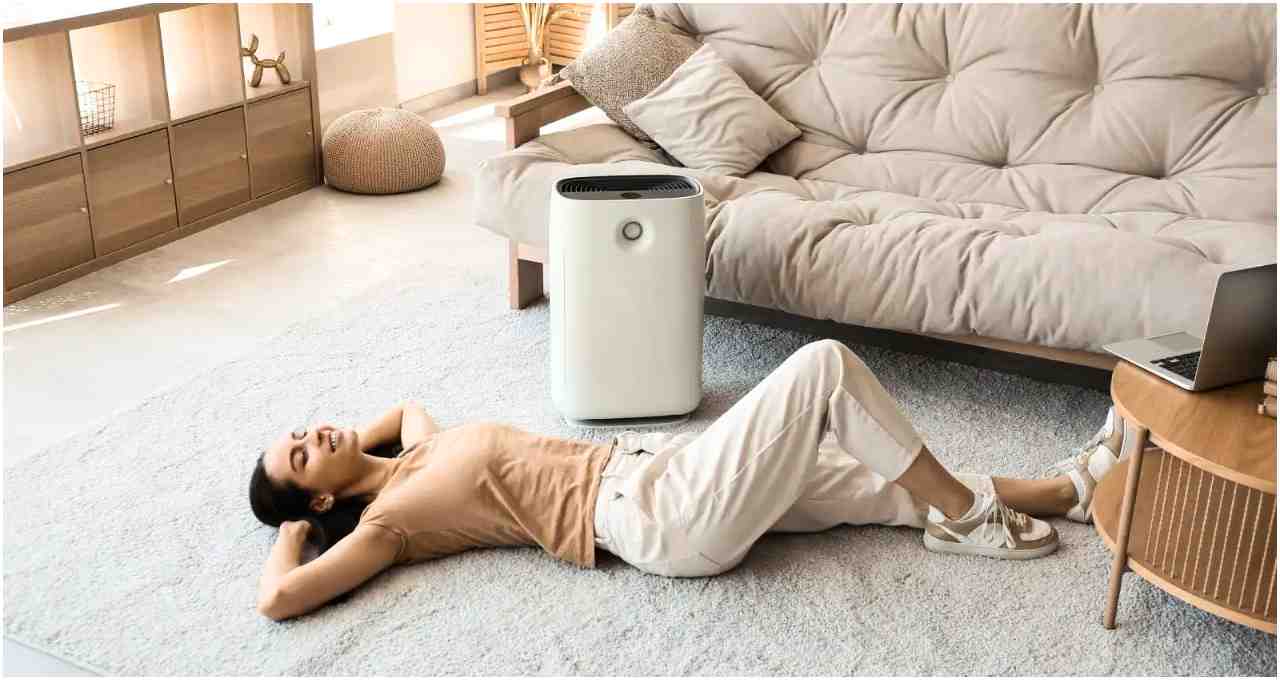
Does higher fan speed clean the air faster?
Higher fan speed only increases air circulation. People assume this will also accelerate filtration, but that's not true. Fan speed does not directly impact the machine's filter capacity.
The correct speed is one that is set according to the room's requirements. Running it continuously at high speed increases energy consumption but doesn't make a significant difference in removing pollution.
Do air purifiers also remove viruses?
It's the biggest myth that air purifiers can protect against viruses and infections. The machine only reduces airborne particles and dust. Medical-grade protection and precautions are necessary for virus prevention.
While some high-end models claim virus-level filtration, it's not considered a completely reliable solution for general users. Therefore, it would be incorrect to perceive the machine as a protective shield.
Are larger machines always more effective?
The size of an air purifier always depends on the size of the room. For a small room, a large machine offers no additional benefit. Conversely, a small purifier cannot function effectively in a large room.
Choosing a machine based on the correct CADR (Clean Air Delivery Rate) and room size is the actual solution. An incorrectly sized air purifier can prove to be a waste of money.