Religious texts describe the unnecessary killing of small creatures as an action that negatively impacts karma. It is believed that harming an ant, mosquito, or cockroach without reason weakens a person's sattvic energy. Under the principle of non-violence (Ahimsa), it is advised to adopt natural and safe methods instead of killing them.
Religious Significance of Killing Insects: Harming small creatures is linked to karma in religious scriptures. In Hindu and Jain traditions, it is stated that killing mosquitoes, ants, or cockroaches found in homes without reason is not merely violence, but also affects a person's spiritual energy. This discussion arises when people inadvertently harm these creatures in their daily routines, even though religious beliefs prioritize the protection of life. Scriptures advise adopting non-violence and sensitivity in such situations.
Killing Insects and Its Impact on Karma




Often, people inadvertently step on ants or kill mosquitoes and cockroaches seen in their homes. However, texts like Hinduism, Manusmriti, and Jain Agamas state that every life is valuable. The unnecessary killing of any small creature is associated with a decline in karma. Religious belief suggests that such violence can lead to an increase in tamas (darkness/ignorance), laziness, confusion, and negative energy within a person.
In these scriptures, non-violence is not merely seen as social ethics, but as the foundation for spiritual development. Therefore, intentional or habitual violence is considered an action that can negatively affect both the mind and body.
Why Warnings Are Given Against Harming Small Creatures
In religious scriptures, every creature is described as God's creation. Whether it's an ant or a mosquito, all have the right to life. Therefore, killing them without any compulsion is considered 'Prana-Hatya' (killing of life). However, the protection of life is considered paramount. If a creature poses a threat to life, removing it is deemed appropriate. But religious beliefs advise that even in such situations, a mantra for forgiveness should be recited.
The forgiveness mantra 'Om Kshamaapanaya Namaha' is believed to pacify negative effects. This mantra expresses a feeling of regret for killing a creature and an attempt to maintain harmony within oneself.
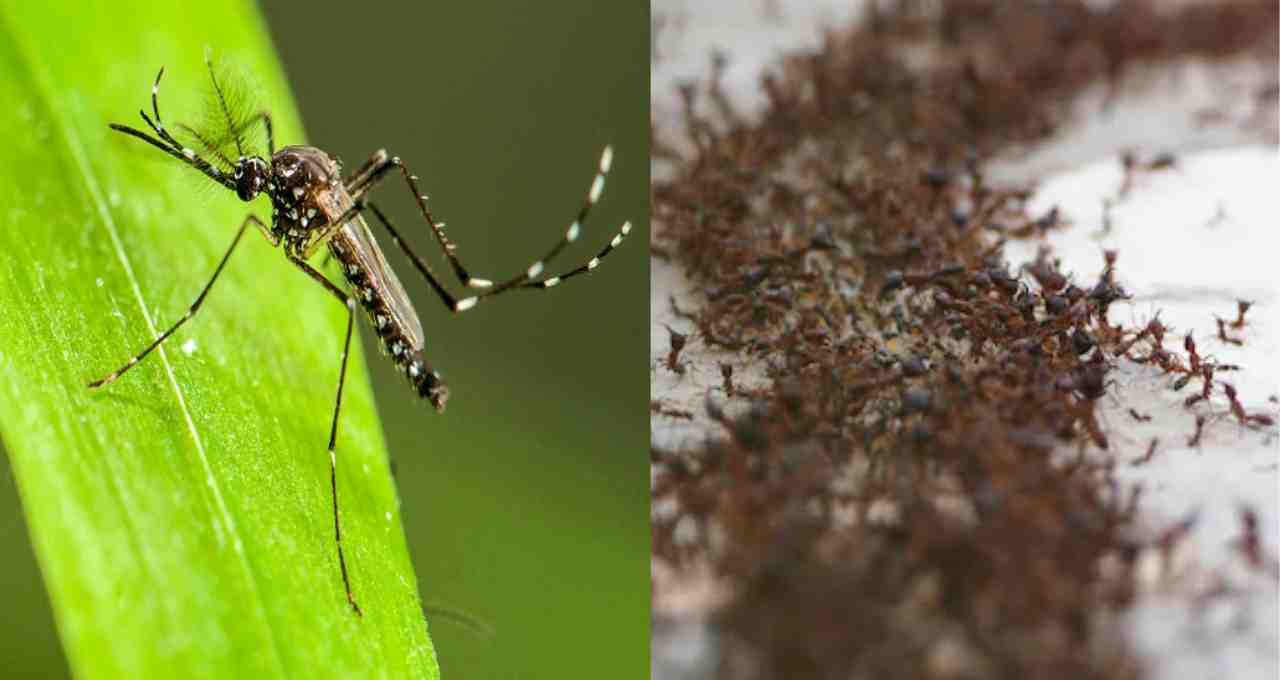
How Can Creatures Be Spared Without Killing Them?
Killing creatures is considered the last resort, both religiously and practically. Generally, several methods are suggested to keep insects and pests away from homes without harming them.
- Mosquitoes: The use of herbal repellents, neem leaves, camphor, and mosquito nets reduces the need to kill mosquitoes. These methods are also safe for health and adhere to the principle of non-violence prescribed in religion.
- Ants: Ants are attracted by a lack of cleanliness or food crumbs. They can be removed without harm by sprinkling turmeric or coffee powder. Such natural remedies block the ants' path and keep the house clean.
- Cockroaches: A mixture of baking soda and sugar is described as an effective way to get rid of cockroaches. Additionally, regular cleaning of drains and sewers is essential, which automatically reduces the number of these pests.
When Is Killing Considered Appropriate?
In religious beliefs, the protection of life is considered paramount. If a creature endangers human life, such as poisonous insects or disease-spreading organisms, then killing them is deemed appropriate in such situations. Nevertheless, it is advised to chant the forgiveness mantra afterwards to maintain a sense of sensitivity and compassion in the mind.