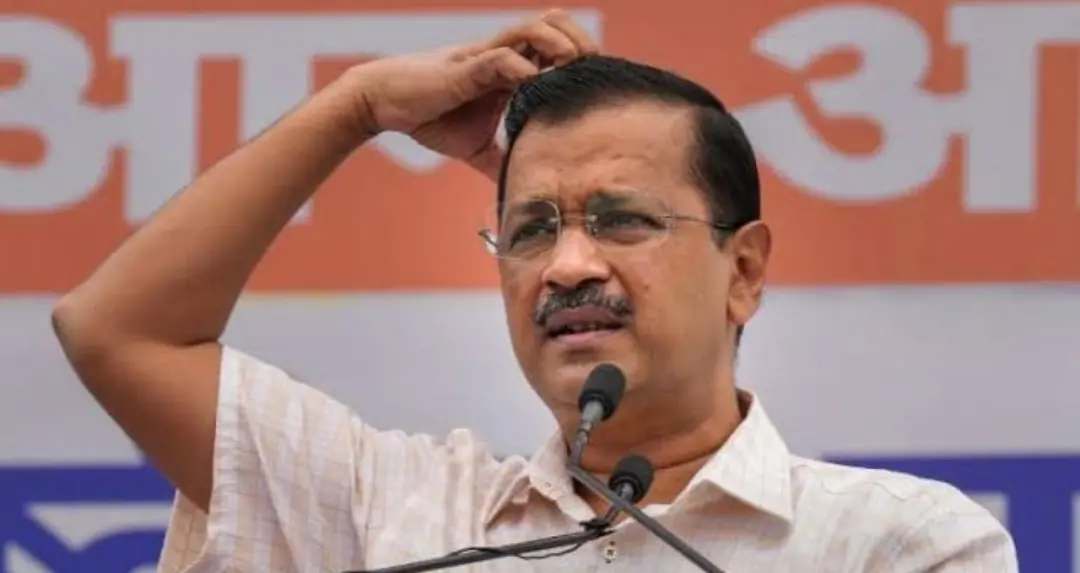
The Delhi High Court will hear on Monday the Enforcement Directorate’s (ED) petition challenging the bail granted to former Delhi Chief Minister and Aam Aadmi Party national convenor Arvind Kejriwal in the money laundering case linked to the 2021-22 Delhi excise policy.
On June 20, 2024, a Delhi trial court granted Kejriwal bail in the money laundering case on a personal bond of Rs 1 lakh. The ED subsequently challenged the order before the Delhi High Court, which stayed the trial court’s bail order. Judicial proceedings in the matter continued thereafter.
Issues related to Kejriwal’s arrest and bail also reached the Supreme Court, where legal questions concerning the ED’s action against him were raised.




The Delhi government’s 2021-22 excise policy was aimed at changing the liquor trade and increasing competition. Allegations of irregularities and corruption were later raised over the formulation and implementation of the policy. Following a recommendation by the then Lieutenant Governor, the Central Bureau of Investigation (CBI) began investigating the matter. The ED subsequently initiated an investigation into alleged money laundering aspects.
Investigating agencies have alleged that certain private businesses were given undue benefits during changes to the policy and that illegal funds were allegedly used. These allegations are yet to be conclusively established in court.
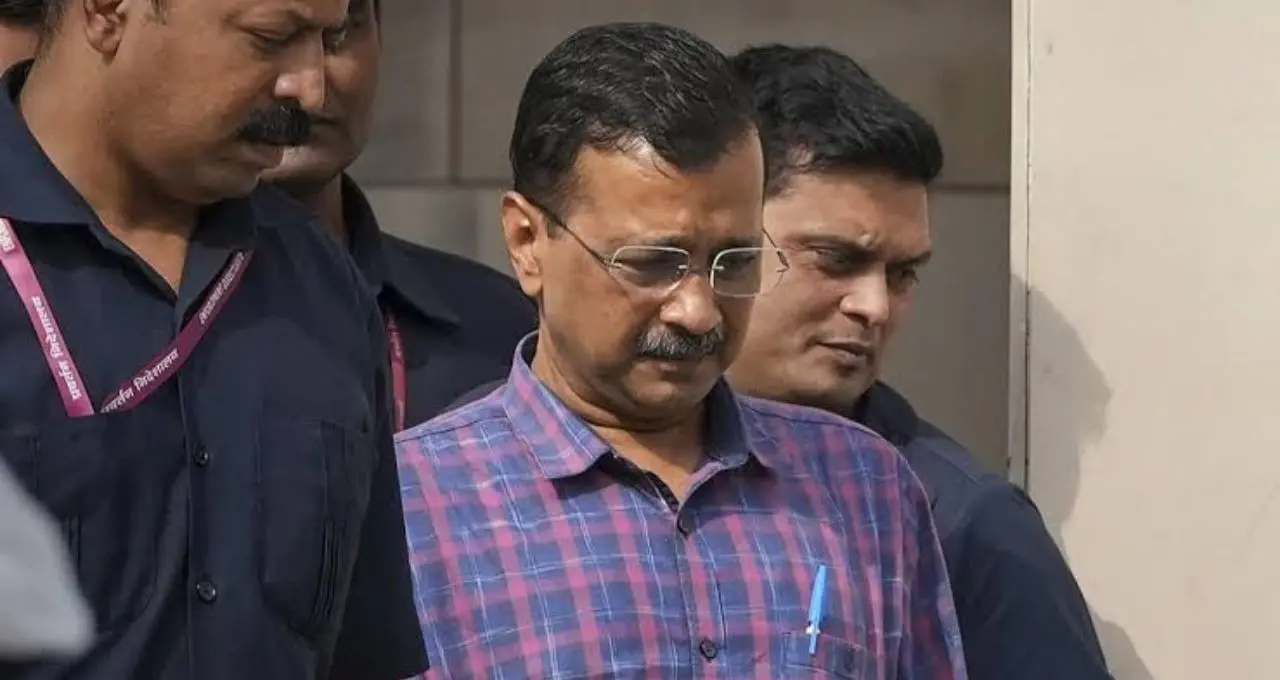
In challenging the trial court’s bail order, the ED argued that the lower court had not adequately considered the facts of the case and the investigating agency’s position. The agency is seeking judicial review of the lower court’s order concerning bail.
The ED’s investigation has focused on alleged money trails, transactions and the roles of people connected with the policy. The agency has alleged that the formulation and implementation of the excise policy created a system that allegedly benefited certain businesses and facilitated transactions involving illegal funds.
Kejriwal and his party, however, have consistently denied the allegations and questioned the actions of the investigating agencies.
During the proceedings, lawyers representing Kejriwal have opposed repeated requests for adjournments by the ED, arguing that the proceedings were being unnecessarily prolonged. In October 2025, the Delhi High Court gave the ED a final opportunity to present its arguments in the case. The matter is now before the court again.
In February 2026, there was also a significant development in the broader legal proceedings related to the excise policy case. The Rouse Avenue Court discharged Arvind Kejriwal and other accused in the CBI-linked case. However, discharge and acquittal have different legal statuses, and other legal aspects of the case may continue before different courts.