US President Donald Trump has rejected a new peace and ceasefire proposal presented by Iran, escalating tensions in the Middle East amid concerns over the Strait of Hormuz, rising oil prices and increased military activity across the region.
Responding on the social media platform Truth Social, Trump said he had reviewed the response from Iranian representatives but stated that he “did not like it at all” and that it could not be accepted.
The latest development has intensified existing tensions between the United States and Iran, which have long remained at odds over Iran’s nuclear programme, regional security issues and economic sanctions.
According to reports, Iran had sent a new diplomatic proposal to the United States through mediation by Pakistan. The proposal reportedly included demands for an end to conflict across the region, particularly in Lebanon, assurances regarding maritime security in the Persian Gulf and the Strait of Hormuz, removal of economic sanctions imposed on Iran, and the resumption of negotiations concerning the nuclear programme.



Iran stated that its response was “positive and practical” but refused to accept any major compromise regarding its nuclear programme.
The United States had earlier presented Iran with a 14-point proposal that included a condition requiring Iran to completely halt uranium enrichment for at least 12 years.
The proposal also called on Iran to surrender approximately 440 kilograms of uranium enriched to 60 percent purity. In exchange, the United States proposed sanctions relief and the release of frozen assets.

Iran rejected the proposal in full, stating that the conditions were against its sovereignty and national security.
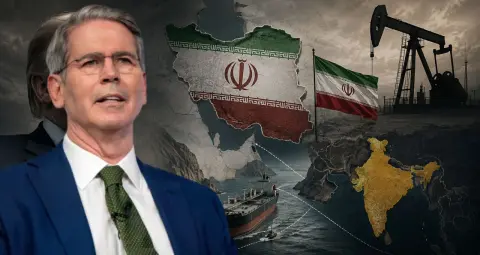
The Strait of Hormuz has emerged as the central point of the regional crisis. The waterway is considered one of the world’s most significant oil transit routes, and growing tensions between the United States and Iran have affected commercial shipping activity in the region.
Reports indicate that several international vessels have altered their routes, increasing concerns over global oil supply disruptions. International crude oil prices have reportedly risen above $104 per barrel amid the uncertainty.
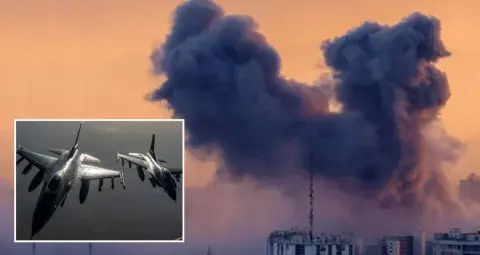
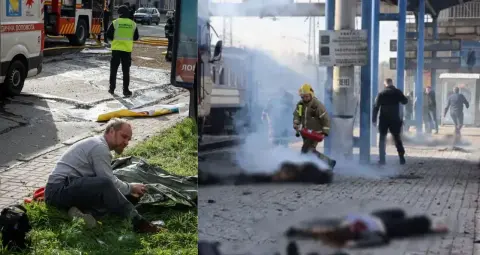
Regional security conditions have also deteriorated. Reports from Lebanon indicate casualties following Israeli strikes, including injuries involving medical personnel. Incidents involving drone attacks and disruptions to vessels in the Hormuz region have also continued to emerge.
Drone alerts have reportedly been issued in the United Arab Emirates and Kuwait, while some countries have accused Iran of contributing to regional instability.
Iran warned that any increase in military intervention in the Strait of Hormuz by Western countries, including the United States, France or Britain, would receive what it described as a “b and immediate response.” Iran also stated that it alone has the authority to ensure security in the strategic waterway.
The latest diplomatic breakdown between the United States and Iran has raised concerns internationally. Analysts say that if negotiations between the two countries do not resume, the tensions could develop into a broader military or economic crisis affecting oil markets, global trade and regional security arrangements.