Google Maps has completed 21 years, evolving from a struggling startup into a global navigation platform and a key revenue contributor for Alphabet. Built on interactive mapping technology, continuous upgrades, and a commercial model, the platform now generates thousands of crores of rupees for its parent company.
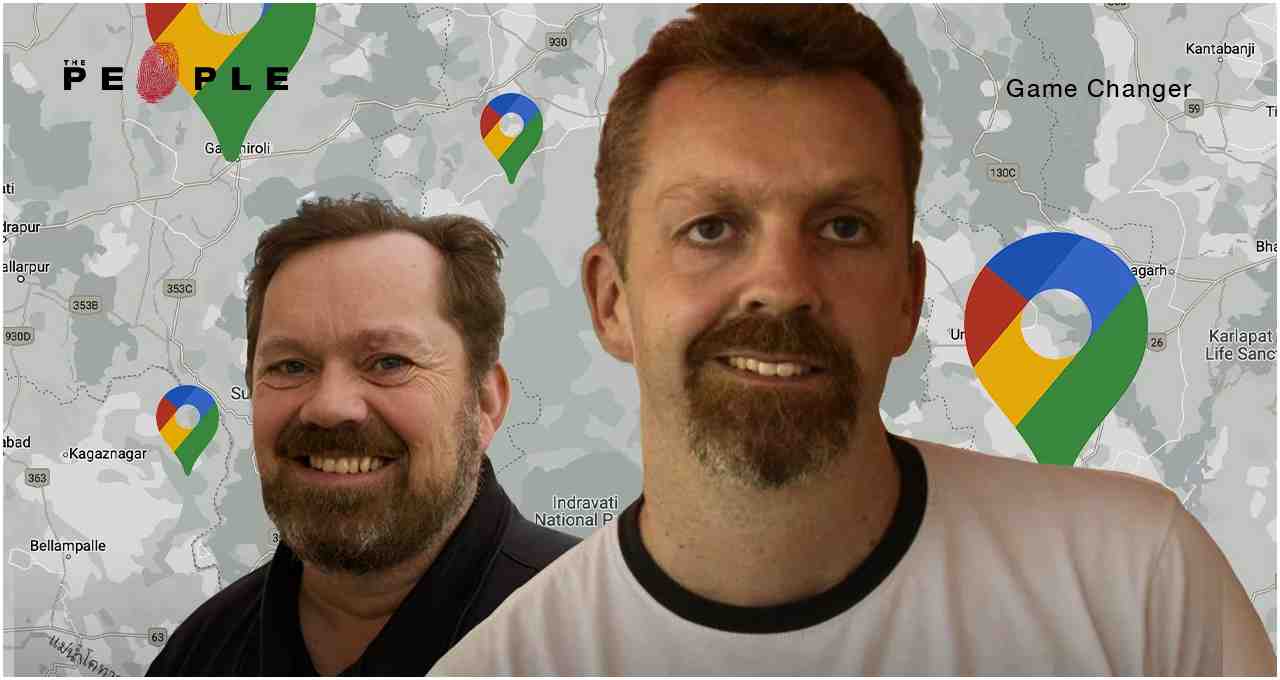
The platform originated from Where2, an Australian startup founded by brothers Lars and Jens Rasmussen. At a time when static maps such as MapQuest were common, Where2 introduced interactive, draggable maps through its initial desktop application, Expedition.




Facing a funding crunch, Where2 was acquired by Google after the technology drew the attention of Google co-founder Larry Page. Google converted the product into a browser-based service and launched it in 2005 as Google Maps.
Ahead of its official launch in 2005, Google Maps was leaked online, exposing users to smooth, draggable digital maps. Satellite imagery, location layers, and developer APIs were subsequently added to the platform.
The introduction of mobile applications, real-time traffic data, GPS navigation, and AI-based route optimisation expanded its usage globally. By 2006, Google Maps had become the world’s largest map provider, a position it continues to hold through large-scale technology and data integration.
Google Maps now operates as a revenue-generating platform beyond navigation services. According to reports, its revenue stood at approximately $3 billion in 2019 and increased to $11 billion by 2023, equivalent to over ₹1 lakh crore.
Advertising accounts for the largest share of revenue, with businesses paying for map-based advertisements, promoted pins, and sponsored search results. Additional income is generated through Google Maps APIs and location services, for which developers and businesses pay usage fees.