IMF Announces $1.2 Billion Loan Disbursement to Pakistan, Averting Default
Pakistan: Pakistan has once again sought and received assistance from the International Monetary Fund (IMF), securing a $1.2 billion disbursement to prevent a potential default. This release, approved following a recent review, provides a temporary lifeline to the country grappling with an economic crisis, dwindling foreign currency reserves, and governance challenges. The funds are being provided under the Extended Fund Facility (EFF) and the Resilience and Sustainability Facility (RSF).
The central point is that this disbursement comes with stringent conditions imposed by the IMF. These include implementing fiscal reforms, privatizing state-owned enterprises, and measures to boost revenue. The IMF’s objective is to stabilize Pakistan’s economy and guide it towards sustainable, long-term growth.




Loan Amount and Program Details
The IMF’s Executive Board has approved a total of $1 billion under the Extended Fund Facility (EFF) and $200 million under the Resilience and Sustainability Facility (RSF) for Pakistan. This brings the total assistance provided to Pakistan under both programs to $3.3 billion to date.
In a statement, the IMF emphasized the need for Pakistan to maintain prudent policies in an uncertain global economic environment. This aims to strengthen macroeconomic stability and accelerate reforms to achieve private sector-led, sustainable growth over the medium term.
Preparations for Large-Scale Privatization in Pakistan
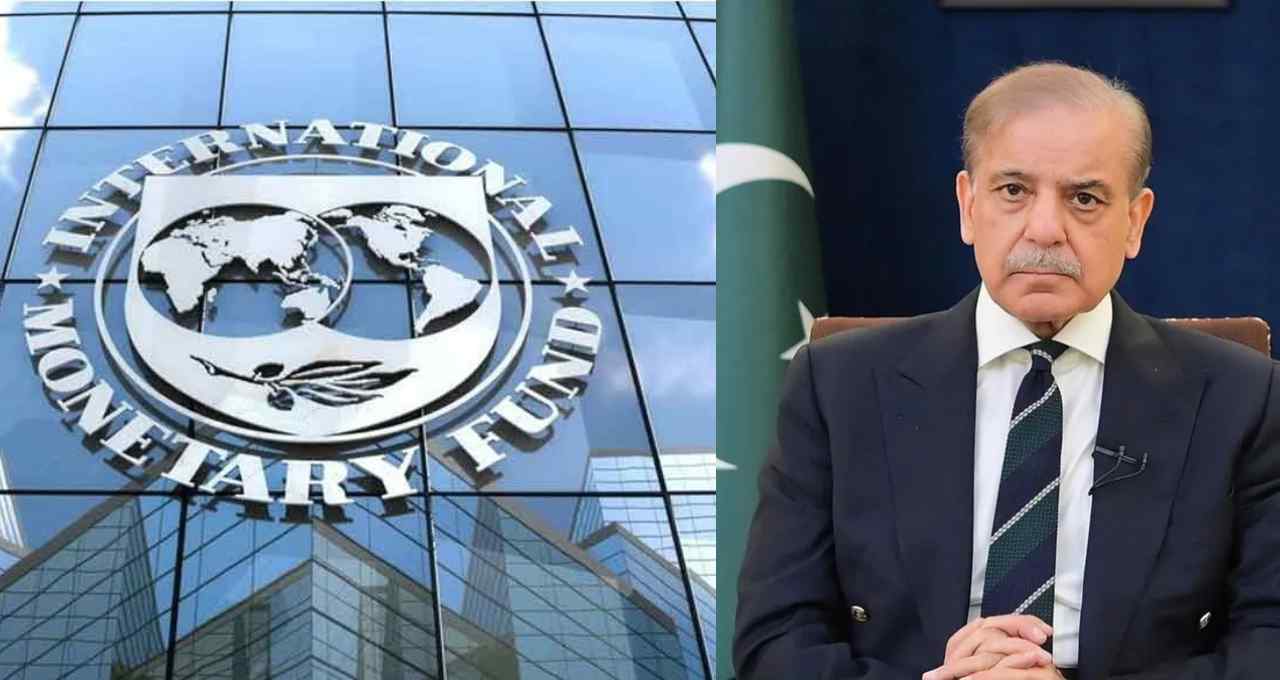
Under the IMF’s conditions, Pakistan is poised to initiate a significant privatization process – the first in nearly two decades. Prime Minister Shehbaz Sharif recently announced that the majority stake in Pakistan International Airlines (PIA) will be auctioned on December 23rd, with four groups shortlisted for bidding.
The government has assured the IMF that it will continue implementing fiscal reforms, including revenue enhancement, maintaining a tight monetary policy, and privatizing state-owned companies. Furthermore, Pakistan has committed to taking robust measures to address natural disasters like recent floods.
IMF Conditions and Challenges for Pakistan
The IMF’s conditions present a significant challenge for Pakistan. The country must undertake reforms within its government departments and ensure financial discipline. Privatization of state-owned enterprises could impact both employees and the general public. Implementing new policies to boost revenue and tightening monetary policy will also be a demanding undertaking.
While this disbursement provides temporary relief, Pakistan’s long-term stability hinges on adhering to the IMF’s stipulations.
Declining Foreign Exchange Reserves
Pakistan’s foreign exchange reserves have recently experienced a sharp decline, brought about by a currency crisis and mounting external debt. This had pushed the country perilously close to default. The new IMF installment will offer Pakistan an opportunity to improve its foreign currency position and manage essential imports and international payments.