India and the United States have agreed on an Interim Trade Framework and issued a joint statement outlining its structure. According to the joint statement, the framework has come into effect with immediate effect.
The two governments said the Interim Trade Framework is intended to expand bilateral trade, support employment generation, and strengthen economic security. Under the framework, the United States has removed additional tariffs imposed on Indian products and reduced the general tariff rate on Indian goods from 50 percent to 18 percent.
The United States administration confirmed that the additional 25 percent tariff imposed on India has been fully withdrawn with effect from February 7, 2026. The tariff had been imposed in August last year following allegations by the United States that India was importing large quantities of oil from Russia. According to the statement, India has assured the United States that it will not directly or indirectly purchase oil from Russia and will increase purchases of United States energy products. The United States said the additional tariff could be reimposed if India resumes oil purchases from Russia.


Both sides said defence cooperation between the two countries will be strengthened over the next ten years.
According to the joint statement, the framework provides that tariffs on Indian products in the United States will be reduced from 50 percent to 18 percent, while the additional 25 percent tariff has been terminated. The United States market, valued at approximately USD 30 trillion, will be opened to Indian micro, small and medium enterprises, farmers, and fishermen. Tariffs on generic medicines, gems and jewellery, and aircraft components will be reduced to zero. Sectors including textiles, ready-made garments, leather, footwear, plastics, rubber, organic chemicals, home décor, handicrafts, and selected machinery are included under the framework.
The statement said India has fully protected sensitive agricultural products, including wheat, rice, maize, milk, cheese, poultry, and other specified farm items. India will reduce tariffs on selected United States agricultural and industrial products, including nuts, fruits, soybean oil, alcoholic beverages, and animal feed. Cooperation will be expanded in relation to graphics processing units and other technical equipment used in data centres. The two countries said they will work together to strengthen global supply chains.
The joint statement said that over the next five years India will purchase USD 500 billion worth of energy products, aircraft, precious metals, technology goods, and coking coal from the United States. The framework will be implemented immediately, and work will continue towards a comprehensive bilateral trade agreement.
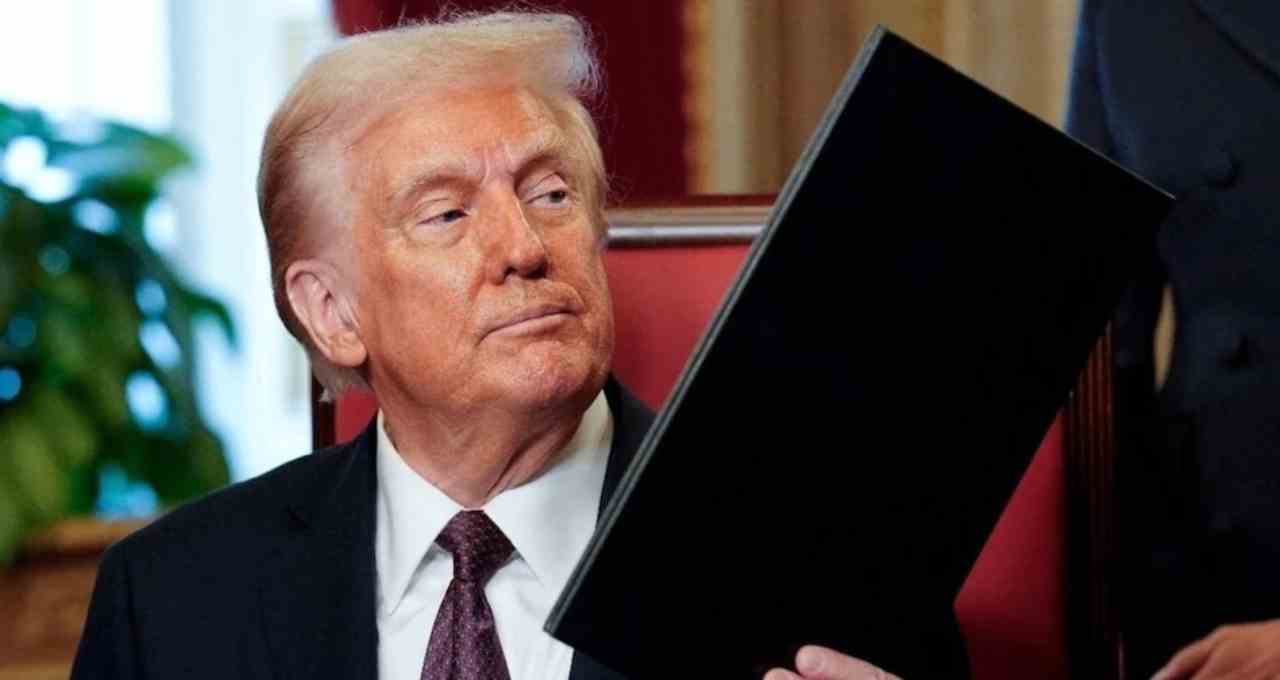
The White House and the Government of India said the Interim Trade Framework represents the next phase of ongoing broader trade negotiations. The statement said the initiative is the outcome of discussions initiated under the leadership of United States President Donald Trump and Indian Prime Minister Narendra Modi, with the stated objective of creating a balanced, transparent, and mutually beneficial trade system.
Union Commerce and Industry Minister Piyush Goyal said India has excluded sensitive agriculture and dairy sectors from the framework. He said no concessions have been granted on maize, wheat, rice, soy, poultry, milk, cheese, ethanol, tobacco, certain vegetables, and meat products. The government said this would ensure that there is no adverse impact on Indian farmers and the rural economy.
The government said the framework will directly benefit multiple Indian industries, including textiles and ready-made garments, leather and footwear, plastics and rubber products, organic chemicals, home décor, handicrafts, machinery, generic pharmaceuticals, gems and jewellery, and aircraft components. The government said increased exports under the framework would support employment and strengthen domestic enterprises, while ensuring protection for sensitive domestic sectors.