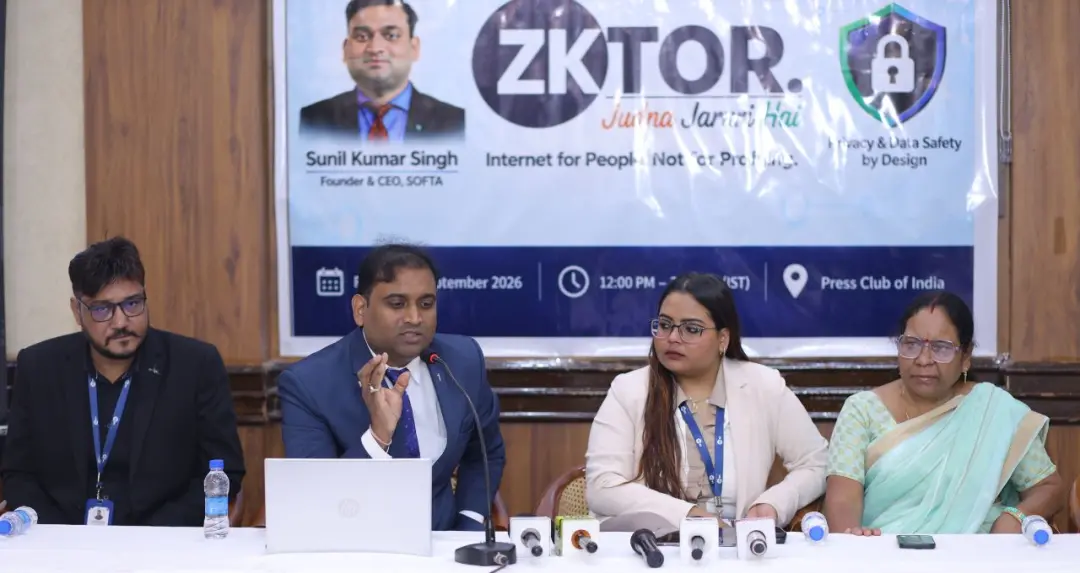
ZKTOR's developer links its four-country beta to women's online dignity, national data controls and a local advertising model designed to keep private activity outside behavioural profiles.
NEW DELHI: Softa Technologies said its Indian social platform ZKTOR had crossed one million users in ten months of mass public beta across India, Nepal, Bangladesh and Sri Lanka. The company outlined a regional expansion built around national data controls, women's online dignity and advertising that does not rely on behavioural profiles. At a September 18, 2026 briefing at the Press Club of India, founder Sunil Kumar Singh also introduced the SNDESH messaging service and KHOZU.com search service, broadening its plans beyond social publishing.
Singh linked the rollout to his ambition for India's technological soft power, while stressing that Indian development would not replace country-specific responsibility for data and complaints. Softa says each national operation retains separate infrastructure, encryption boundaries and access controls, backed by local-language grievance handling. Its South Asia-first strategy also includes continuing public beta in Bhutan and the Maldives. The million-user figure applies to the four markets named in the announcement, not to all countries under testing or to a combined audience for the company's related products.
Women's participation is central to the model presented at the briefing. Public, friends-only and private audiences, together with comment and resharing controls, are intended to let women make professional work visible without opening family material and private exchanges to the same audience. Protected photographs and videos are delivered through audience permissions rather than reusable public file links. The company pairs those restrictions with automated risk detection, country-based grievance officers and a Women and Children Wing, including safeguards for children who appear in adults' posts but have no accounts themselves.
Softa's commercial proposition rests on selling relevant reach and professional services without turning private activity into an advertising profile. Its ZHAN advertising system uses subject, language and locality; agencies prepare campaigns, translate offers and support merchants. Creator programme terms allocate 70% of applicable income attributable to their content. Shared engineering connects social publishing, communication, search, commerce and business administration, but the company says their permissions remain separate and national datasets are not pooled. Private conversations, searches and purchases are excluded from combined advertising profiles.
Singh, an Indian-origin Finnish citizen, said development had proceeded without Finnish or EU funding, government grants, external venture capital (VC) or business-house backing. He linked that choice to retaining authority over data use despite European funding opportunities. The financing position places contextual advertising and professional services at the centre of the operating model, which includes national infrastructure, in-country recovery systems and human complaint handling. The company did not provide revenue or profitability results in the briefing materials reviewed for this account.
The user total and technical descriptions are company-reported and have not been independently verified for this account. The reported total is not a measure of daily active use, and the introductions of SNDESH and KHOZU do not establish separate audiences for those services. Softa describes a connected range of products at different stages of development, with standalone work on SNDESH continuing. Its expansion plans also include district-level creative, community and language work, distinct from the four-country participation milestone already announced.
National systems, regional reach
Softa's country-based data sovereignty model extends beyond the location of the main server. According to the company, national deployments have separate servers, encryption boundaries, keys and access controls, with backups and disaster recovery kept in-country. The arrangement is intended to preserve the national data boundary during routine operation and service restoration alike. A backup or recovery process is therefore part of the same structure, rather than a route through which records from different countries become a common regional dataset. Shared software supports the deployments without merging the information they hold.
Cross-border communication remains part of the service. The distinction Softa draws is between enabling people in different countries to communicate and consolidating their records under one unrestricted system. Country-specific operating arrangements are intended to support that communication while addressing data-protection obligations, including India's Digital Personal Data Protection (DPDP) framework and the EU's General Data Protection Regulation (GDPR). Those references describe the company's stated compliance approach; they are not evidence of regulatory certification. Its geographical reach and the permissions attached to a particular exchange remain separate parts of the model.
The company also separates national custody from authority to read or reuse information. Within each deployment, audience permissions determine access to protected material and encryption restricts operator access to private content. A server's location does not itself authorise a commercial partner, another user or the operator to inspect every record it carries. Softa places those restrictions alongside the infrastructure rather than treating domestic storage as a complete privacy guarantee. Its account distinguishes three decisions: where information is held, who may receive it and what the receiving service is permitted to do with it.
Grievance handling follows the national structure. Country-based officers work alongside the Women and Children Wing, with specialist local-language review, restricted case access and routes for escalation and appeal. Softa connects country-level responsibility to the person seeking a remedy as well as to the system holding the record. The complaint arrangements are meant to give users an explanation and a decision they can challenge, not merely an address to which a report can be sent. The commercial functions serving the same market are assigned different responsibilities and do not acquire general access to those cases.
Singh presented this combination as the operating basis for the platform's regional identity. Indian engineering would support neighbouring markets, he said, while data controls and complaint responsibilities remained country-specific. Softa's organisational structure links Indian development with Finnish headquarters and a Chicago research gateway. Those research and engineering locations do not, in the company's account, replace the national arrangements for user information. Singh's account links regional influence to that division of responsibility: the engineering can come from India without making the region's user records one Indian-controlled dataset.
Software reuse supplies the scaling method. Softa says common engineering reduces repeated development work while preserving national datasets and service-specific permissions. The company couples that approach with country-by-country testing rather than treating every market as one completed launch. Bhutan and the Maldives remain in public beta, reported separately from the four-country audience figure. Community links can nevertheless cross borders: users can follow a chosen district, language or hometown from abroad through the Local Digital Worlds model, without the company treating their interest in a place as permission to track their movements.
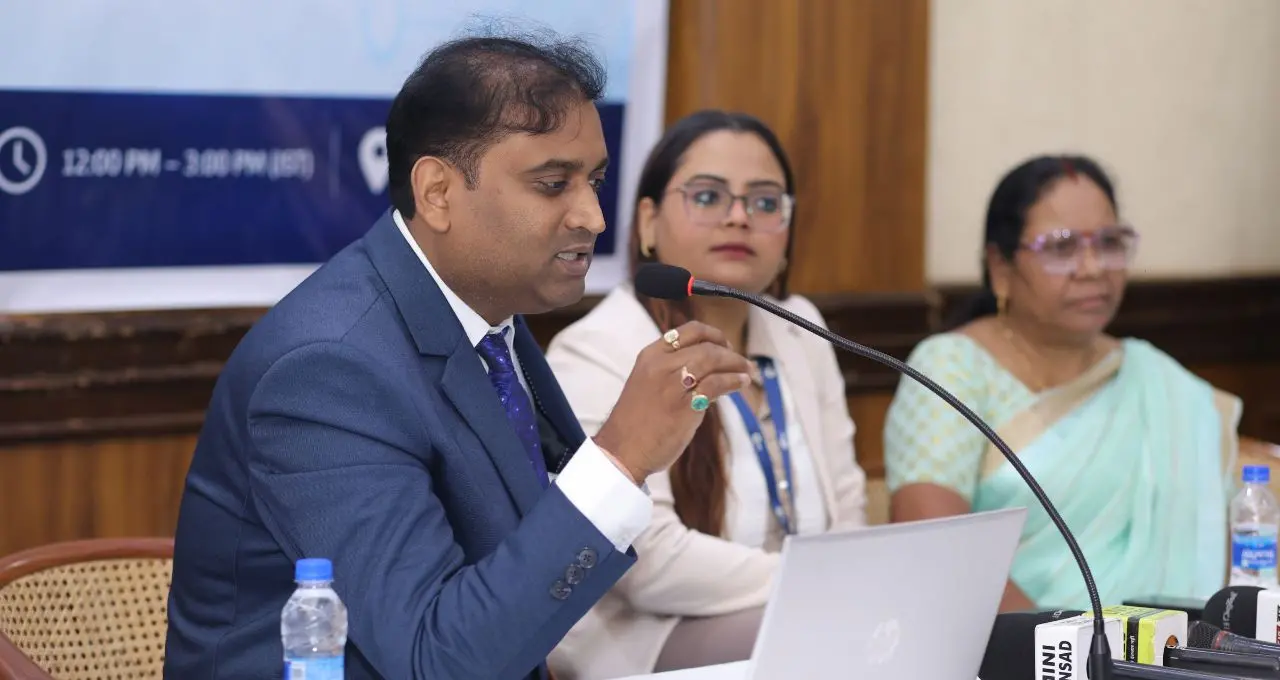
Women's visibility without unrestricted access
Softa places professional visibility, income and personal safety within the same women-first model. Its audience choices allow public work to reach customers while family photographs and private exchanges retain more restricted access. Public, friends-only and private settings govern who can see a contribution; comment and resharing controls govern interaction around it. The distinction is intended to accommodate one person acting as a creator, merchant, family member and private correspondent without applying the most open setting to everything she does. Visibility for work is not presented as consent to unrestricted access to her other activity.
The No URL Media Architecture concerns how protected photographs and videos reach an audience. Softa says delivery depends on the relevant permissions rather than possession of a reusable public file link. Restricting that link-based route is intended to make it harder to extract material for scraping, impersonation and deepfake abuse. The description does not mean the platform has no web addresses or that every publicly visible item is secret. It identifies a particular route of access to protected media and places that route under the audience decision, rather than allowing the file link alone to determine who receives it.



The company acknowledges an important limit: a recipient can still take a screenshot, make a recording or photograph a screen with another device. Changes to sharing permissions govern subsequent delivery by the service; they cannot universally recall copies already made outside it. That leaves a continuing role for risk detection and complaints even where the original audience was authorised. Softa describes the media controls as restrictions on exposure and extraction, not a guarantee that every instance of image misuse can be prevented or reversed. Its specialist review structure is intended to address harm that those controls do not resolve.
Children depicted in adults' posts fall within the stated safeguards even when they have no accounts. The company distinguishes the person uploading material from the people shown in it, bringing non-user children within the remit of its child-safety provisions and Women and Children Wing. The significance is practical: an adult's decision to share does not settle every question concerning a child in the image. Audience controls govern the contribution's delivery, while the specialist complaint structure deals with reported harm. The child's lack of membership is not presented as a reason to exclude the case from that structure.
Public visibility and private contact are also treated separately. Pages, posts and video can introduce a woman's work to an audience, while messaging and calls carry exchanges with selected people. Protection of a private conversation does not make the public page confidential, and restrictions on extracting an image do not by themselves determine who can approach its subject. Softa's materials distinguish those situations rather than giving one control responsibility for all of them. Where contact becomes a safety issue, the country-based reporting and review arrangements remain relevant alongside the technical protection of the exchange.
The same distinctions carry into creative work. Permission to view a contribution, payment for its distribution and permission to reuse it are different relationships in the company's materials. Audience and media controls govern delivery; creator programme terms govern the share of qualifying income. Neither description establishes a universal right to copy, republish or commercially reuse the work. For women using the service professionally, Softa says commercial participation does not widen an advertiser's entitlement to family material or private communication. A business relationship concerns the work commissioned or distributed, rather than the whole personal record of the person producing it.
Singh tied digital dignity to retaining those choices while participating, creating and earning. The model does not ask women to make every part of their online presence private in order to use its safeguards. It combines a route to public visibility with limits on audiences, media delivery and private-data use, then assigns unresolved cases to human review. That connection runs through the commercial offer as well: work can be promoted, customers can be reached and qualifying content can generate income without making the creator's unrelated conversations or complaint evidence part of what an advertiser receives.
Safety flags and local-language redress
Softa assigns risk detection and case decisions different roles. Its VDL protective AI flags risks involving sexual content, impersonation and child safety, while country-based grievance officers and the Women and Children Wing provide specialist human handling. The review structure includes restricted access to case information, reasons for decisions, notification, escalation and appeals. An automated signal identifies a matter for scrutiny; the process described by the company does not make that signal the final account of what happened. Responsibility for a decision sits within a review route that the affected person can challenge.
That route covers both people reporting harm and users contesting a restriction. A complaint about an image or unwanted conduct concerns what another participant has done; an appeal may concern the platform's own treatment of the account or material. Softa's materials recognise both without equating protection with an automatic decision against the subject of a report. Reasons and notification are part of the procedure, alongside the opportunity to seek further review. The company presents this as local accountability for decisions affecting participation, rather than limiting accountability to whether a report was successfully submitted.
Case evidence receives a separate access boundary because it can contain the material the complainant wants protected. A photograph, private message or other record may be relevant to deciding a case without being relevant to unrelated company functions. Softa says review is confined to the necessary case information and that safety processing remains outside advertising. On that account, seeking protection does not give campaign staff or commercial partners a general right to inspect the complainant's activity. The restriction applies to the purpose for which the evidence was received, as well as to the people permitted to handle it.
Local-language handling connects that restriction to whether a person can actually use the process. Reporting harm, understanding a decision and challenging it are different tasks, each requiring more than the presence of a reporting button. The company assigns those tasks to specialist country-based handling, with reasons and notifications as part of the response. HOLA AI has a different function: task-specific multilingual assistance. Softa's account separates language help, VDL risk detection and the human review of a case, rather than treating an assistant's response or an automated classification as a substitute for the complaint procedure.
Commercial relationships do not carry authority over that procedure in the model presented. An agency may prepare an advertisement, translate an offer or support a merchant, but those assignments differ from handling sensitive evidence. The distinction also applies when a creator, merchant or advertiser is the subject of a complaint: paying for distribution does not confer authority to decide the case. Softa identifies campaign management and grievance review as separate responsibilities. It says information gathered for a remedy is not used to improve commercial targeting, regardless of whether the people involved also use its business services.
The company has described the review structure without supplying comparative detection-accuracy or complaint-response figures in the briefing materials. Its account therefore sets out responsibilities and procedures rather than a measured comparison with other services. Prevention and redress remain connected but distinct: audience controls and protected delivery restrict some exposure routes, VDL flags risks, and reviewers consider reported harm or disputed restrictions. Appeals then provide a route to question a decision. None of those stages is described as eliminating the need for the others, including when misuse follows an initially authorised exchange.
Encryption, authentication and operator access
Softa describes Privacy and Data Safety by Design as default limits on collection and access, rather than protection that depends entirely on a person finding settings after joining. Private communication uses multi-layer encryption, device-to-device protection and rotating keys, with Zero Knowledge Server Architecture intended to restrict the operator's access to private content. The stated protection concerns what the service can read as well as what an outside recipient can obtain. It does not extend the description of confidential exchanges to every public contribution or claim that the platform holds no operational records of any kind.
One-time passwords authenticate users, while necessary operational records remain separate from protected content, according to the company. Authentication and confidentiality address different parts of the process: establishing access to an account does not, by itself, specify the protection of a message sent from it. Audience permissions address another question, determining who may receive protected material. Softa presents authentication, encryption and permissions as connected controls, each with a defined role. Their combination is intended to limit access at several points rather than relying on a single measure to settle every privacy issue.
The same precision applies to zero behavioural tracking. Softa says the service does not build behavioural histories to direct feeds or advertising; that commitment is not described as the absence of all records needed to operate accounts and services. Its no-pushed-algorithm model concerns user-directed discovery without behavioural ranking, not the absence of software algorithms. Softa separates the records needed to run a service and protect an exchange from the behavioural histories used to construct commercial profiles. It says operational access does not provide permission to assemble those histories.
Shared devices introduce a separate limit. A one-time password can authenticate access without determining who is looking at an already-open account, and encrypted transmission does not conceal information from someone able to view the recipient's screen. The briefing materials recognise that distinction without claiming a server-side solution to every device-access risk. It sits alongside the acknowledged possibility of screenshots and recordings. The architecture is described as controlling protected delivery and operator access; physical access to a phone and copying by a recipient remain different questions for the safety and privacy model.
The breadth of the service makes those distinctions relevant beyond messaging. A person can publish a public post, take part in a community and conduct a private business exchange through the same platform. Softa says those activities retain separate permissions rather than inheriting unrestricted access from their common interface. The service used for a public contribution does not automatically acquire the private conversation, and a business task is not described as permission to examine the person's family sharing. This is the access rule attached to the company's super-app model: several functions are brought together without giving each function the entire account history.
SNDESH extends the communication part of that model. Introduced at the briefing as a platform-linked service also being developed for standalone use, it combines device-to-device end-to-end encryption, message-level keys and rotating server-side protection in what Softa describes as a three-layer design. The company adds a restriction on subsequent use: private exchanges stay outside feed ranking and advertising. That commitment concerns what the conversation is used for, not only how it is protected in transit. The introduction does not establish that every planned standalone function is deployed, nor does ZKTOR's user figure supply a separate audience count for the messenger.
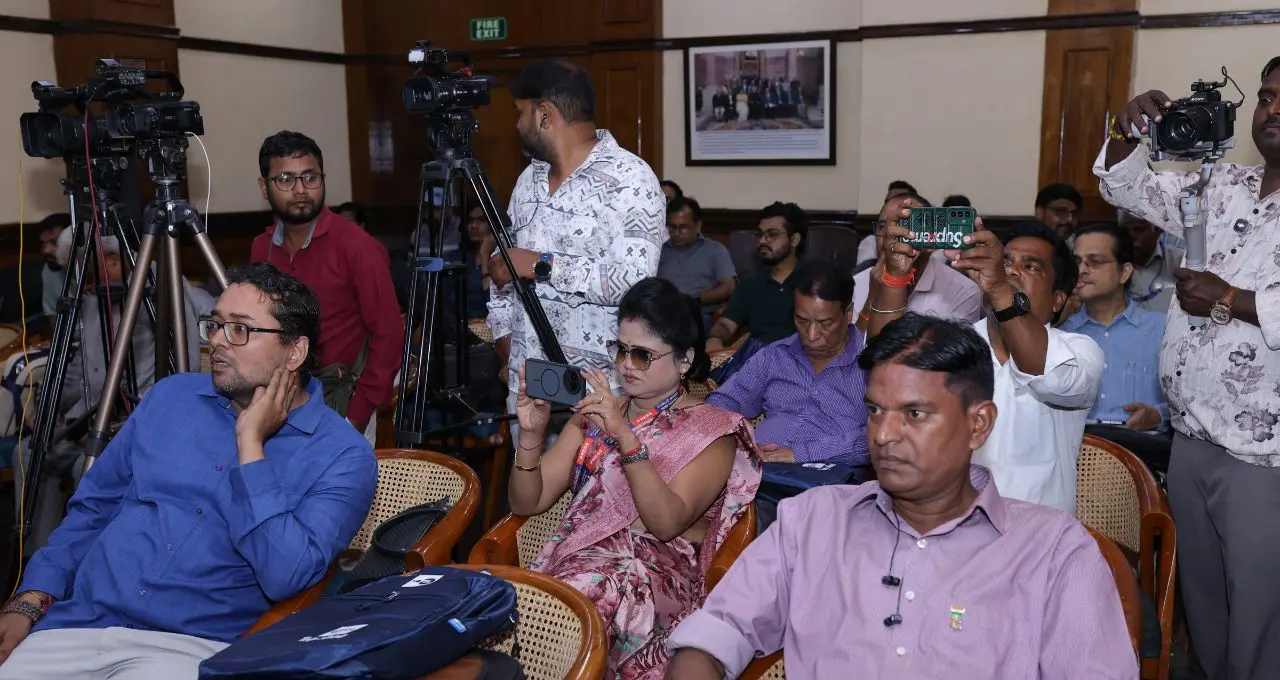
Local audiences and Gen Z
Softa organises everyday discovery through hyperlocal-first Local Digital Worlds, built around districts, languages and communities selected by users. Those choices supply the context for posts, local information, video and social connections. The company says relevance comes from what a person elects to follow, rather than a continuing behavioural history assembled to predict private interests. Its natural feeds are described as user-directed and without behavioural ranking. Locality is therefore a selection within the service, not a requirement to turn a person's movements into the basis for every contribution or commercial message shown to them.
The same arrangement is intended to connect diaspora users with communities at home. A person following a hometown from another country can retain that local interest without the service treating it as a record of the person's current location or journey. Softa brings this community structure together with national data arrangements: an audience may be linked by district or language while the relevant country operations retain their separate responsibilities. The local and regional parts of the rollout thus serve different purposes. One gives users a chosen context for participation; the other concerns how the service operates across markets.
The publishing functions range from posts and status updates to short clips, long-form video channels, pages and news. Clubs and buddy connections support continuing community interaction, while messaging and individual or group voice and video calls carry direct exchanges. Softa groups these formats around selected audiences rather than presenting every contribution as a bid for national reach. Short video can introduce a subject, a longer channel can explain it in sequence, and a page can provide an ongoing point of reference. The format is part of the publishing choice; the audience remains a separate decision.
That approach gives local information a role alongside entertainment and personal communication. District-based discovery can bring an update to people who have chosen the relevant community, but distribution alone does not establish that its contents are accurate or still useful. The company's separate source-backed search service addresses inspection of supporting information rather than simply increasing reach. Within the social platform, short and long formats offer different amounts of context. Softa connects their value to what a contribution supplies to the chosen audience, not solely to how widely it circulates outside that community.
Singh attributed Gen Z adoption to privacy, control and local relevance, linking confidence to participate with the ability to communicate, create and earn without behavioural profiling. The briefing materials do not include an age breakdown, so that explanation remains his account of adoption rather than a demographic conclusion established by the million-user total. Nor does the total establish how frequently people use each format. Softa's offer combines familiar publishing and communication functions with its stated data restrictions; repeat use, the popularity of particular features and the age composition of the audience are separate measures.
The rural Bharat focus connects discovery with practical work and access to help. Singh said rural needs had shaped the research behind the platform, including relevant community connections, language support and opportunities to earn. HOLA AI supplies multilingual help for particular tasks, agencies prepare and translate merchant campaigns, and specialist reviewers handle complaints. Those functions serve different needs even when they operate in the same language. The company does not assign one general support role unrestricted access across them: assistance with a task, commercial preparation and review of sensitive evidence retain their separate purposes.
District-level plans cover creative production, community operations and language support. They are proposed areas of work around the platform, not a disclosed employment total or a count of agencies already established. Comparative device-performance and connectivity benchmarks are also absent from the briefing materials. The company has set out the intended functions and work plans, rather than results establishing their performance in every setting. Publishing video, making a group call and obtaining local-language help place different demands on the service; their inclusion in the same application does not establish how consistently every task performs for every user.
Softa presents the super-app as a choice for these activities rather than a requirement to abandon every existing network. Local discovery, public work and protected contact can serve different purposes within a person's wider use of online services. Singh's explanation of digital freedom centres on that ability to choose an audience, find relevant material, earn from eligible work and seek help without behavioural profiling. The local commercial model develops the same proposition for businesses: a contribution can be relevant to a particular district or language community without first attracting a national mass audience.
Advertising, creators and local business
ZHAN supplies the advertising component of Softa's commercial model. The company says offers are matched through subject, language and locality rather than a profile assembled from the viewer's private behaviour. The intended customers include merchants and small businesses seeking people within a relevant service area. Their offer supplies the subject, their market supplies the locality, and language helps define the audience context. Softa describes the transaction as buying relevant distribution, not access to a customer's unrelated conversations, searches or purchases across its other services.
The model makes local knowledge a commercial input without treating private history as one. Agencies prepare campaigns, translate offers and support merchants, bringing professional work into the relationship between a business and its intended audience. Softa assigns access according to the work commissioned: preparing an offer differs from handling a customer's private exchange, and translating a campaign does not confer general access to the records of everyone it reaches. The stated restriction extends across providers working for the same business. Their shared client does not give each provider permission to inspect every activity associated with that client or its customers.
Contextual distribution remains advertising. The natural-feed and no-pushed-algorithm descriptions concern user-directed discovery without behavioural ranking; they do not announce a service without paid reach. Softa explicitly includes advertising in its revenue model. Relevance to a district or language community does not make a commercial offer an ordinary personal contribution. The distinction preserves two separate questions in its account: what information is used to select an audience, and what kind of message that audience receives. The commitment against behavioural profiling addresses the first without removing the commercial character of the second.
Creators participate under a different set of terms. The stated allocation is 70% of applicable content-attributable income, with the qualifying words defining the payment base. It is not automatically 70% of every advertiser payment or of total company revenue, and the percentage does not guarantee earnings to every participant. Campaign preparation, translation and merchant support are separate forms of work whose payments are not fully described by the creator share. The offer therefore combines a percentage with a defined category of income; the figure alone is not a complete account of every commercial payment flowing through the service.
Local discovery supplies the intended connection between a creator's work and its economic relevance. Softa says material can be useful within a chosen district or language community without attracting a national audience. Posts, short clips, long-form channels and pages provide different ways to establish that relationship over time. The business model assigns them distinct jobs: a format carries the contribution, discovery places it in a relevant context, and programme terms determine the share of qualifying income.
Reach, payment and permission to reuse the work remain separate relationships, rather than three consequences automatically granted by publication.
The company connects this distinction to women's participation in local enterprise. A professional contribution can be made public, distributed commercially and potentially earn a qualifying share without widening access to the creator's family material or private contact. A merchant relationship similarly concerns the service being supplied, not a general claim over the person behind the business. Softa says the same restrictions apply when that creator or merchant seeks a remedy: complaint evidence remains with the specialist review process and outside advertising, rather than becoming another commercial record available to the agency managing the account.
Campaign measurement is a separate part of the commercial proposal. Softa distinguishes reporting on delivery from maintaining an enduring profile of the viewer, although its briefing materials do not set out a detailed measurement system. Agencies account for work supplied, creators receive a share of qualifying income and advertisers buy distribution within a relevant context. The district-level plans extend this activity to creative, community and language work, but are not accompanied by an agency count or guaranteed-income forecast. Commercial reporting and local service delivery are not described as reasons to retain a continuing history of the people reached.
The business services sit alongside that advertising operation rather than duplicating it. HOLA AI provides task-specific multilingual assistance, EZOWM supports commerce and ZWATO handles business administration. A merchant can need more than one of those functions, but Softa says permissions remain attached to their operational purpose. Helping prepare an offer, conducting a transaction and administering a business involve different records. Common engineering connects the services without turning every professional assignment into permission to inspect the entire commercial relationship or the private lives of the people involved.
Those revenues are intended to support the operating responsibilities behind the rollout: national servers, in-country recovery arrangements, protected communication and human grievance handling. Singh connects that commercial approach to the decision to avoid outside funding. Software reuse is the company's stated means of reducing repeated development work; contextual advertising and professional services are its stated means of earning. Softa says growth in commercial activity will not change the permissions attached to a private exchange or a safety case. The financing and data-use commitments are therefore connected through how the service is built, paid for and operated.
Search, assistance and private communication
KHOZU was introduced alongside SNDESH as the search component of the wider service range. Softa describes KHOZU.com as evidence-first search and AI-assisted discovery, combining inspectable sources with updated answers and visible corrections. The reader is meant to be able to examine the supporting material rather than receive an answer whose basis is concealed. The company says the service does not profile searchers or expose protected photographs, videos and messages. Its offer links access to public evidence with limits on access to private activity elsewhere in the same ecosystem.
Source inspection serves a different purpose from social distribution. A district-based feed can put material before people who have chosen a community; KHOZU is intended to make the evidence behind an answer available for scrutiny. Updates and visible corrections allow the answer to change rather than presenting the first response as beyond revision. Softa does not describe those features as making AI-assisted search error-free. They define how an answer can be examined and corrected, while the no-profiling commitment concerns how the person asking the question is treated.
The protection of private material carries in the opposite direction. KHOZU's source-backed model is not described as permission to search through protected messages or media elsewhere on the platform. The No URL Media Architecture continues to govern delivery of protected photographs and videos to their authorised audiences. In Softa's account, making the basis of an answer inspectable does not make another person's private content an open source. The information service and the social platform share engineering, but the intended purpose of a search does not displace the permissions attached to a private exchange.
HOLA AI supplies assistance for particular tasks in multiple languages. Softa says the task determines the relevant information rather than providing an opportunity to assemble a continuing personal history across communication, search and commerce. That role differs from KHOZU's source-backed discovery and from VDL's protective risk flags. It also differs from the authority of a specialist reviewer deciding a complaint or appeal. An agency may use language assistance in commercial work, but the company does not describe that shared capability as giving the agency the same access as a reviewer handling sensitive case evidence.
SNDESH carries the private exchange after public discovery. Softa says its encrypted conversations remain outside both feed ranking and advertising, including when the participants also use search, commerce or other services in the ecosystem. That restriction adds a data-use commitment to the three-layer protection described at the briefing: material exchanged for communication is not to become an input for selecting a commercial audience elsewhere. The company is developing the platform-linked messenger for standalone use as well. Its introduction broadens the service range, but does not announce completion of every function planned for that separate offering.
EZOWM and ZWATO carry the range into commerce and business administration. Softa treats discovery, private negotiation, a purchase and subsequent administration as distinct activities with different information needs. A person may move between them without giving every service an unrestricted view of the entire sequence. This is the function-specific boundary within the integrated offering. Alongside it sits the geographical boundary: the company says shared engineering does not pool national datasets or remove country-level servers, keys and access controls. Integration concerns the services available, not common ownership of an unrestricted record of the user's activity.
The new introductions broaden the development programme without changing the scope of the reported audience figure. ZKTOR's million-user total remains attached to its four-country beta, not to separately disclosed user bases for messaging, search, assistance or commerce. Softa is presenting a connected range at different stages, with social functions and community discovery alongside products serving other purposes. Its stated restriction against advertising profiles assembled from private conversations, searches and purchases applies across that range. A common developer, in this account, is not enough to turn information supplied for one purpose into unrestricted material for another.
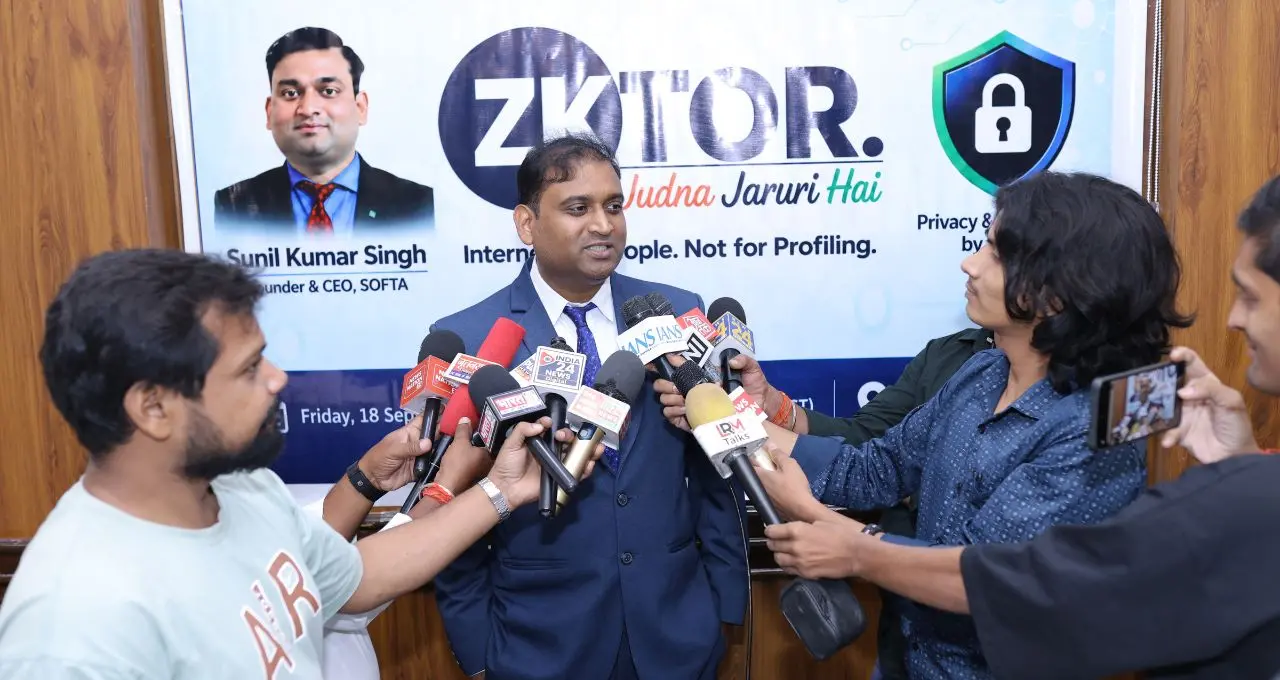
Funding decisions behind the rollout
Singh traces the project to twelve years of India-focused research shaped by rural needs and European privacy culture. An Indian-origin Finnish citizen who has lived in Finland for more than two decades, he described that background as an influence on how the platform handles participation, language and access. The research period is separate from the ten-month mass public beta used for the audience announcement. One concerns the research and design work he says preceded the rollout; the other concerns participation during the reported testing period. Singh links the two through decisions on data use made before the audience milestone.
He said development took no Finnish or EU funding, government grants, external VC or business-house backing, despite European funding opportunities. Singh described that as a difficult choice made to retain control over how data would be used. His account concerns funding routes not taken; it does not establish that a particular grant had been awarded or that a specified sum had been approved and rejected. The decision is presented as part of the project's governance and commercial approach, not as a comparison with how other platforms are financed or an independent test of its security.
The commercial model is the counterpart to that financing choice. Singh links contextual advertising and professional services to the ability to earn while excluding private activity from advertising profiles. The advertiser commissions distribution, the agency client commissions work and the creator programme defines a share of qualifying income. Softa says those relationships do not require unrelated access to personal records. Financing independence therefore concerns the authority to maintain those limits, while operating income concerns the capacity to support the service. Singh says the choice of revenue sources is intended to keep those restrictions intact as use and commercial activity grow.
Softa's international organisation combines Indian development, Finnish headquarters and a Chicago research gateway. Singh also cites ISRO-inspired frugal engineering as an influence on resource use, not as an announced institutional partnership. The concrete method described by the company is shared software supporting separate national operations. Reusing engineering is intended to avoid repeated development work without pooling datasets or eliminating purpose-specific permissions. In this account, resource discipline affects how the service is built; it does not remove the country-based recovery, access-control and human-review responsibilities presented as part of the operating model.
The next steps described at the briefing remain country-by-country testing, standalone work on SNDESH and development of the wider local-service model. Bhutan and the Maldives continue in public beta, while KHOZU's introduction adds source-backed discovery to the product range. Creative production, community operations and language support form part of the district-level plans. Softa has not supplied a timetable or employment total for every activity in those materials. Those plans describe the work ahead, separate from the participation already reported across India, Nepal, Bangladesh and Sri Lanka.
Singh framed the project around the right to be online with privacy, data safety and dignity, connecting that principle to confidence to participate, create and earn without tracking or behavioural profiling. His account places the same limits around different relationships: users choose an audience, private exchanges stay outside advertising, qualifying work earns under defined terms and complaints receive local-language review with reasons and appeal. The principle reaches beyond the location of a server to the decisions made about the information it carries. National control, in the arrangement he presented, is meant to coexist with personal control and a route to redress.
For Softa, the expansion now described combines a larger audience with more services and commercial relationships. The boundary it says it will retain is between extending the reach of a person's work and extending access to that person's life. A merchant can buy distribution without buying a private history; a creator can seek income without opening family material; a complainant can seek protection without supplying advertising data. Those are the operating commitments attached to its South Asian growth. More users, advertisers or shared services do not, under the model the company has set out, confer additional rights over a private conversation or a complaint file.