
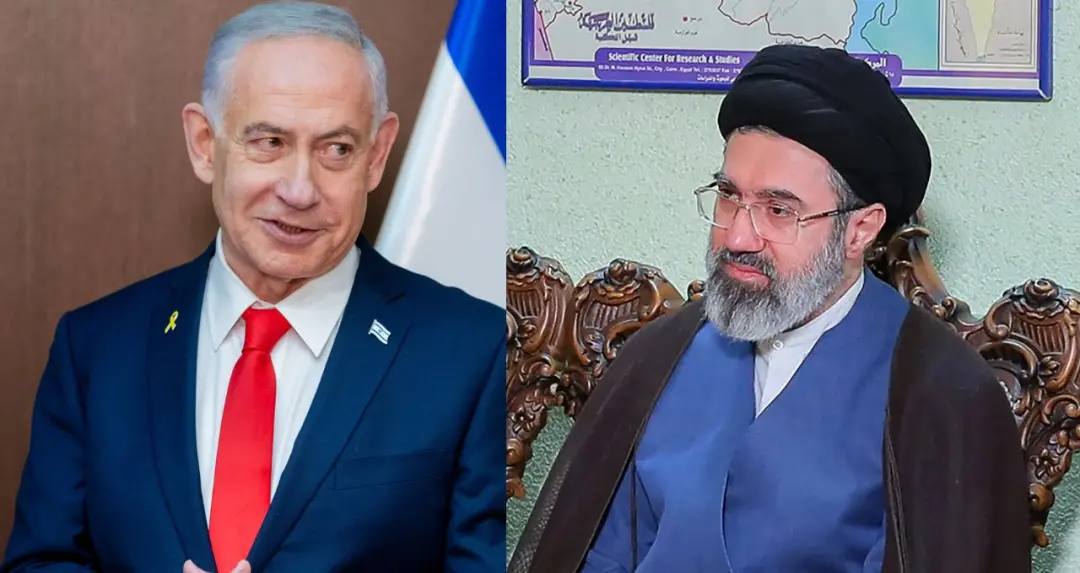
Iran launched missiles at Israel on Sunday night, marking the first direct military strike between the two countries since the ceasefire announced in April. The exchange has intensified tensions across the Middle East and raised concerns about regional stability despite ongoing international diplomatic efforts.
According to Iranian state media, the missile attack was carried out as a strategic response. Following the launch, air raid sirens sounded across several areas of Israel, and residents were directed to shelters.
The Israeli military said its air defense systems intercepted most of the incoming missiles. However, explosions were reported in parts of northern Israel, raising concerns about limited damage.
Within hours of the Iranian attack, Israel launched retaliatory military operations targeting multiple military sites in western and central Iran. According to Iran's state news agency IRNA, powerful explosions were reported in Tehran, Tabriz and Isfahan.



Iran's Islamic Revolutionary Guard Corps (IRGC) claimed that Israel used air-launched ballistic missiles during the strikes. Following the attacks, Iran closed the airspace around Tehran's Imam Khomeini International Airport.
The escalation also affected regional aviation operations. Iran closed its western airspace until further notice, while Iraq announced the temporary closure of its airspace for 72 hours and Syria imposed a 12-hour closure. The restrictions disrupted international flight routes and forced several airlines to divert services.
According to experts, airspace closures of this nature can place additional pressure on global aviation networks and may affect oil and trade routes.
The United States also became involved in the developments. U.S. Central Command (CENTCOM) said it had shot down two Iranian drones in the Strait of Hormuz, claiming they posed a threat to international shipping.
The action marked the second consecutive day of U.S. military intervention of this kind in the region. Iran accused the United States of adopting a double standard and said American policies were affecting the negotiation process.
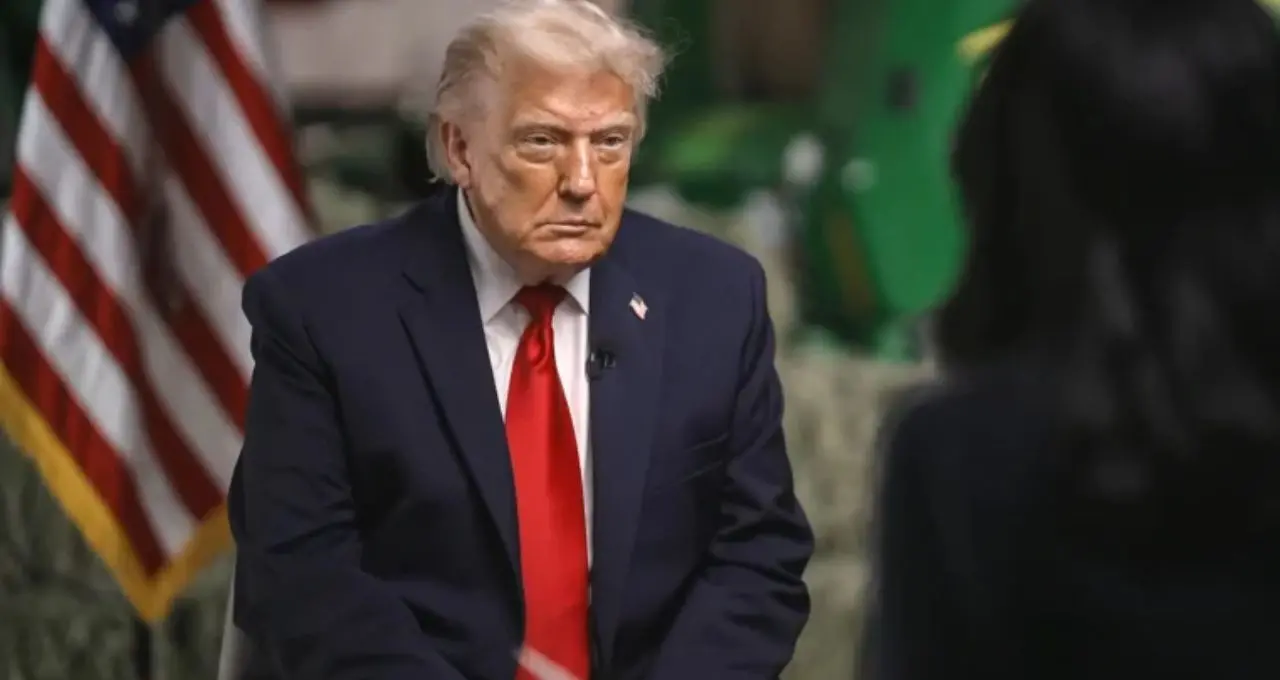
Former U.S. President Donald Trump commented on the conflict, stating that Israeli Prime Minister Benjamin Netanyahu would have no option but to accept any potential agreement reached between the United States and Iran.
Trump also said U.S. policy would play a decisive role in managing the conflict. His remarks have added to diplomatic debate as tensions between the parties continue to rise.
Separately, Israeli strikes in the southern suburbs of Beirut, Lebanon, reportedly killed two people and injured several others. The strikes occurred while U.S.-mediated ceasefire efforts between Lebanon and Israel were underway, although Hezbollah had not accepted the proposed arrangement.
The developments have further complicated the security situation across the Levant and increased concerns about the possibility of a wider conflict.
The tensions have also affected international sport. In connection with the 2026 FIFA World Cup, Iran's national football team is reportedly facing restricted visa conditions for travel to the United States. Reports said the team would be permitted to enter the United States only on match days and would be required to depart the same day. As a result, the team has shifted its base camp from the United States to Mexico.
The situation highlights the intersection of geopolitical tensions and international sporting events.


