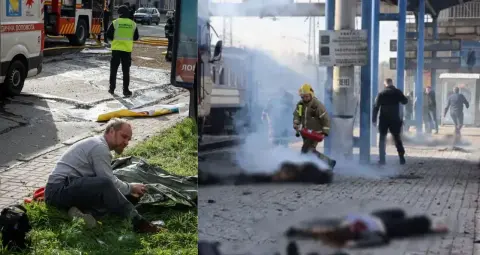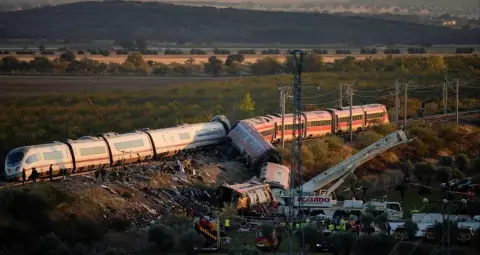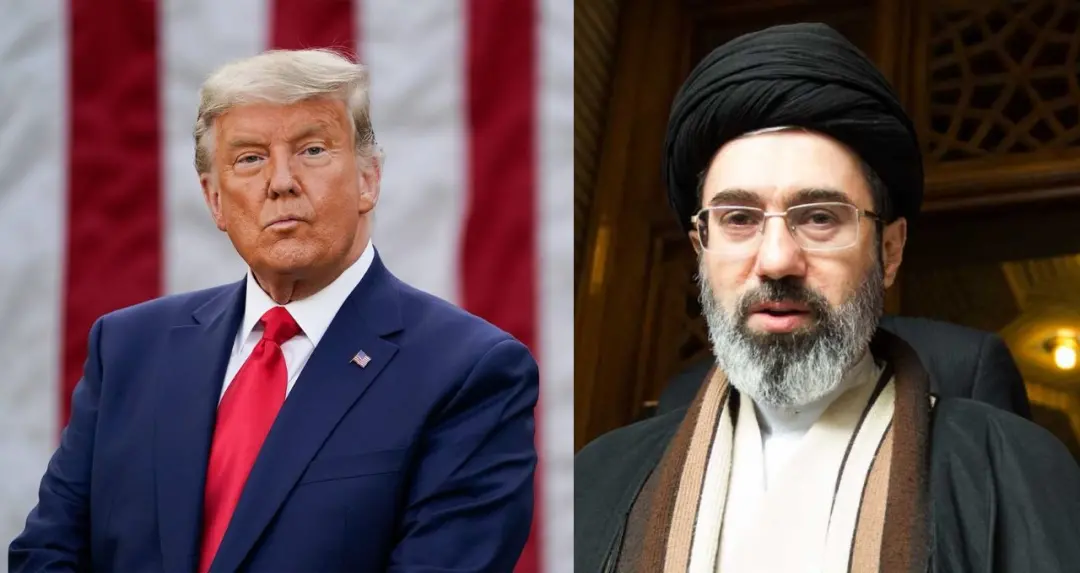
Tensions between Iran and the United States have intensified again amid concerns over a possible military confrontation in the Middle East. According to an Al Jazeera report, Tehran has indicated that it does not trust the United States and is fully prepared for any new military escalation. Statements concerning the strategically significant Strait of Hormuz have also intensified, with Iran describing it as its “largest strategic weapon.”
Experts have stated that the situation could pose risks not only to West Asia but also to global energy markets and international security.
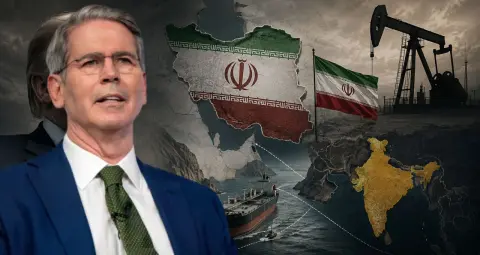
The Strait of Hormuz has emerged as a focal point of tensions due to its significance as one of the world’s most important maritime routes, through which a substantial portion of global oil trade passes. Iran has long viewed the strait as a strategic asset. According to the report, Tehran believes that in the event of military conflict, control over or disruption of the route could be used to pressure the United States and its allies.
Experts have said that any disruption in the strait could directly affect international oil prices, supply chains, and the global economy.
According to reports, Iran has accelerated preparations in three key areas in anticipation of a possible conflict. Iran’s military and the Islamic Revolutionary Guard Corps (IRGC) have reportedly been placed on high alert, while missile systems, drone units, and maritime security mechanisms are being strengthened.




The government is also reported to be conducting campaigns aimed at maintaining public support and preventing internal instability. At the same time, despite heightened tensions, Iran has not completely ruled out diplomatic engagement.
Recent developments over the past 24 hours have added to concerns. Iran has claimed that it targeted United States MQ-9B and RQ-4 drones and fired at F-35 fighter jets that entered Iranian airspace.
The United States has also reportedly carried out strikes on boats allegedly attempting to lay naval mines near the Strait of Hormuz and on missile sites. United States Central Command described the actions as measures taken in “self-defence.”
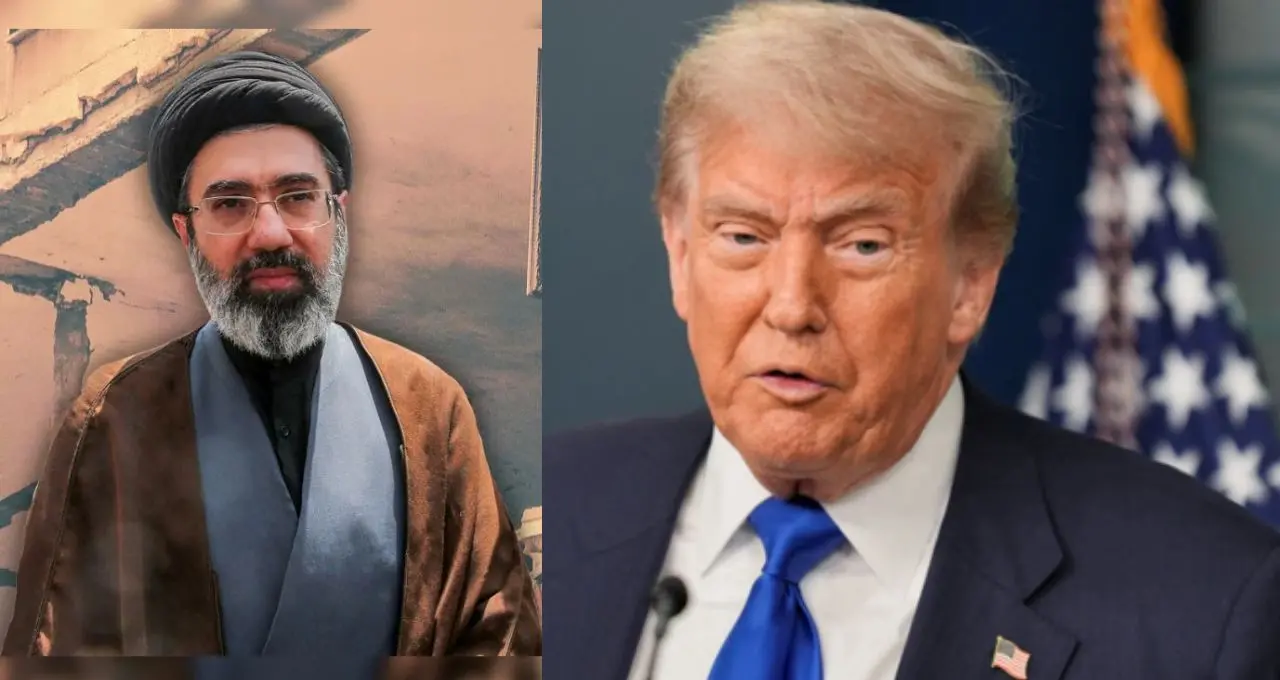
Iran experienced partial or complete internet disruptions for approximately 88 days, according to NetBlocks, which described the shutdown as the longest internet disruption in modern history. The outages reportedly affected banking, business activity, and daily life.
Regional tensions have also extended beyond Iran and the United States. Conditions along the Israel-Lebanon border remain tense, with the Israeli military issuing warnings for the evacuation of approximately 50 towns and villages. The military stated that airstrikes could occur in those areas and instructed residents to move northward from southern regions.
According to the report, a significant presence of United States military aircraft has been observed at Israel’s Ben Gurion and Ramon airports, including fighter aircraft and refuelling planes. The aircraft reportedly remain stationed despite a ceasefire, indicating ongoing military preparedness in the region.
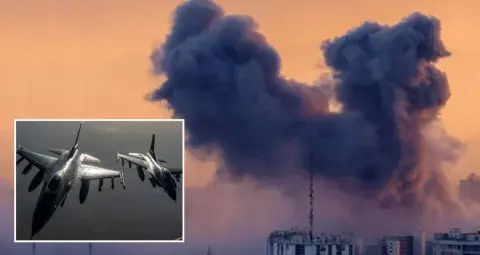
Conditions in the Gaza Strip also remain severe, with Israel continuing strikes on Hamas military positions. A recent strike reportedly targeted Hamas’ new military chief, resulting in deaths and injuries, although official confirmation remains pending.
Shelling has also reportedly continued in Gaza City, Khan Younis, and other areas, with civilians affected by the violence.
Political debate within the United States over Iran policy has intensified, with some lawmakers questioning the government’s approach and stating that the current strategy has worsened the situation.
A demonstration was also reported outside the residence of a political leader in New York, where protesters gathered and raised slogans against international policies.
The United Nations Security Council condemned an attack on the United Arab Emirates’ Barakah nuclear plant without naming any country, raising concerns regarding nuclear security.
The economic effects of Iran-United States tensions are also being reported globally. Bangladesh has sought additional financial assistance from the International Monetary Fund (IMF) amid concerns over rising oil prices and a potential energy crisis.
Iran’s Supreme Leader has called for unity among Muslim countries, stating that greater cooperation within the Muslim world is needed to address regional issues and maintain stability.