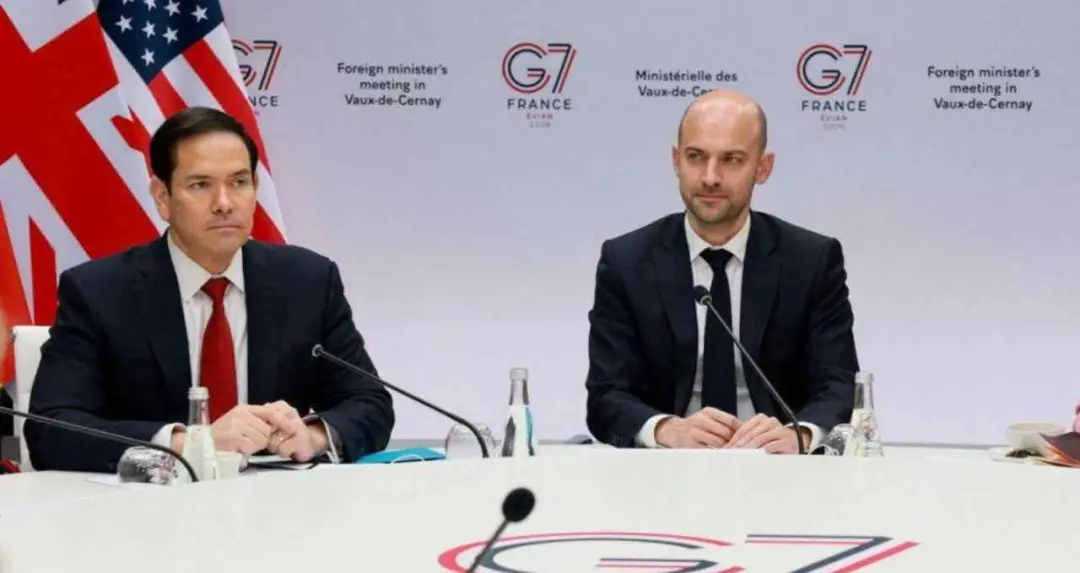
U.S. Secretary of State Marco Rubio met foreign ministers of G7 countries in France amid ongoing tensions with Iran. The meeting aimed to gather support for the United States’ Iran policy and to encourage countries that respect international law to act against threats attributed to Iran.
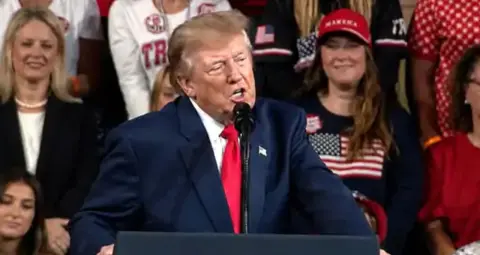
Ahead of the meeting, U.S. President Donald Trump expressed dissatisfaction with NATO countries. He stated that he was disappointed with NATO, saying that when the United States and Israel required support during a crisis, allies did not respond as expected. He also said NATO countries depend on the United States for their security but are not assisting in actions against Iran. Trump further alleged that NATO countries are not contributing to the security of the Strait of Hormuz, which he said is affecting oil supply and increasing global prices.




Rubio faced the task of persuading other G7 members — the United Kingdom, Canada, France, Germany, Italy, and Japan — to align with the U.S. position on Iran. Several countries expressed reservations regarding war and raised objections. At the meeting venue, Rubio posed for a group photograph with other ministers, but no official statement was issued.
Before departing for France, Rubio said he was not traveling to satisfy any country and that his responsibility was toward the American people, not France, Germany, or Japan. He stated that the world should thank the U.S. President for being prepared to confront such a crisis. Rubio emphasized that countries that respect international law should take steps against threats to maritime navigation attributed to Iran.
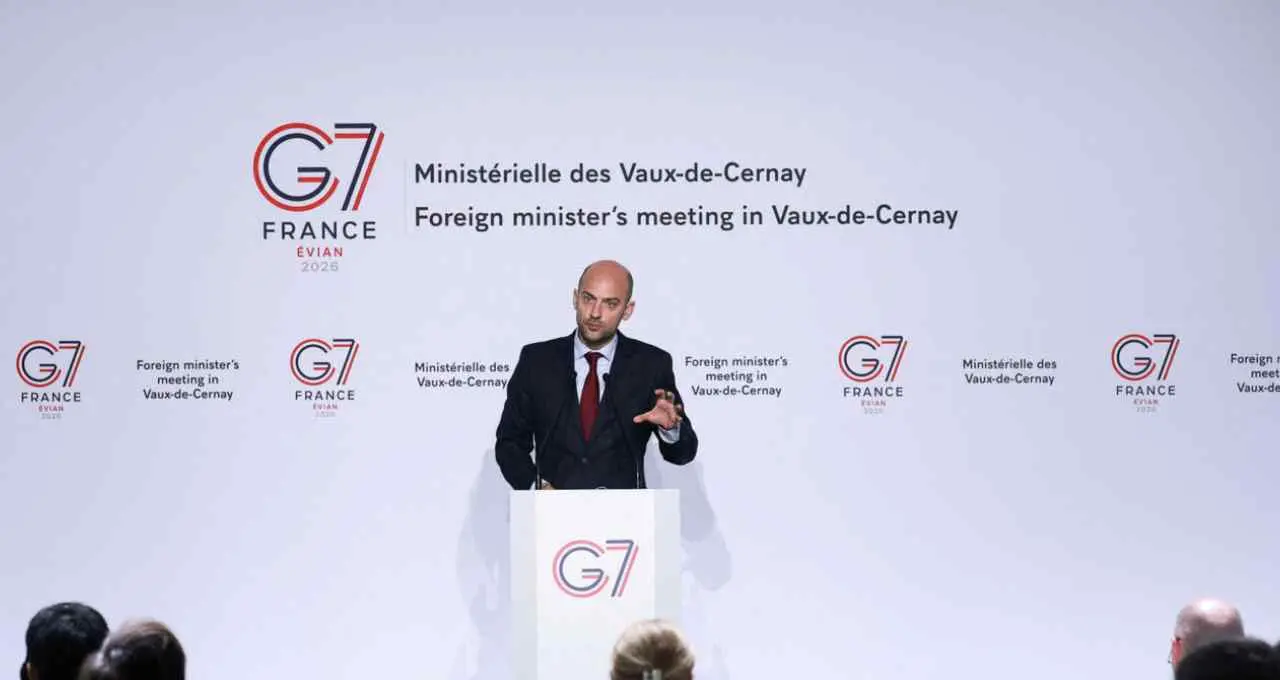
France’s defence chief General Fabien Mandon stated that the United States had not informed them of any plans to initiate war. He also said the United States is no longer as reliable a partner as before. Germany’s Foreign Minister Johann Wadephul said support for Ukraine should not decrease and stressed the need to maintain stability in the Middle East. He also emphasized the importance of securing the Strait of Hormuz. UK Home Secretary Yvette Cooper stated that Iran cannot hold the global economy hostage and that partnership and diplomacy are required to address the situation.
Rubio stated that the international community should unite against threats to shipping and trade routes attributed to Iran. He expressed hope that the meeting would yield positive outcomes and encourage G7 countries to take strategic steps.
The Strait of Hormuz is a key global oil supply route. Increased control or threats in the area could lead to higher global oil and gas prices. Rubio emphasized the need for cooperation among G7 countries to ensure secure energy supplies and uninterrupted international trade.
Rubio said the meeting comes at a time of heightened tensions in the Middle East, with increased risk of military confrontation involving Iran, the United States, and Israel. He stated that without support from allied countries, the impact of any action would be limited, and emphasized the importance of G7 participation.