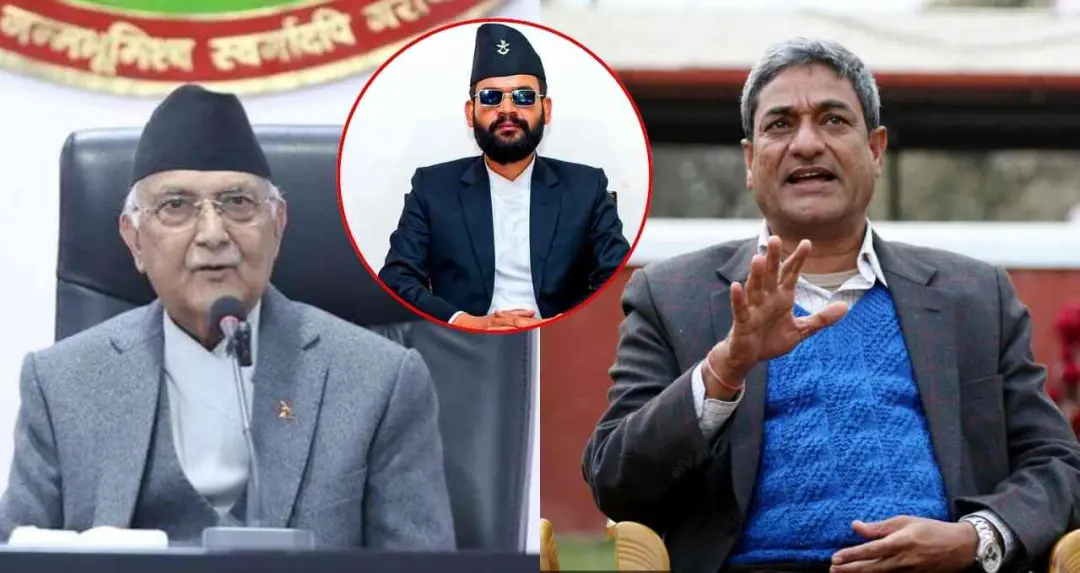
Nepal Police arrested former Prime Minister KP Sharma Oli and Nepali Congress leader and former Home Minister Ramesh Lekhak on Saturday morning in connection with cases of culpable homicide and criminal negligence linked to deaths during the September 2025 Generation Z protests.
According to police, the action has been carried out on the basis of a formal complaint filed by the Home Ministry and the recommendations of a special investigation commission. The arrests may also extend to then Inspector General of Police Chandra Kuber Khapung.
The Nepal government had constituted a special investigation commission last year under the leadership of Judge Gauri Bahadur Karki. The commission examined violence, civilian deaths, and the official conduct of police during protests in Kathmandu and other regions in September 2025. Its report stated that former Prime Minister Oli, former Home Minister Lekhak, and then police chief Khapung should be held primarily responsible for the nationwide violence and deaths.



The commission recommended that criminal cases be filed against them under Sections 181 and 182 of Nepal’s National Penal Code for criminal negligence and culpable homicide. Conviction under these provisions carries a possible prison sentence of up to 10 years.
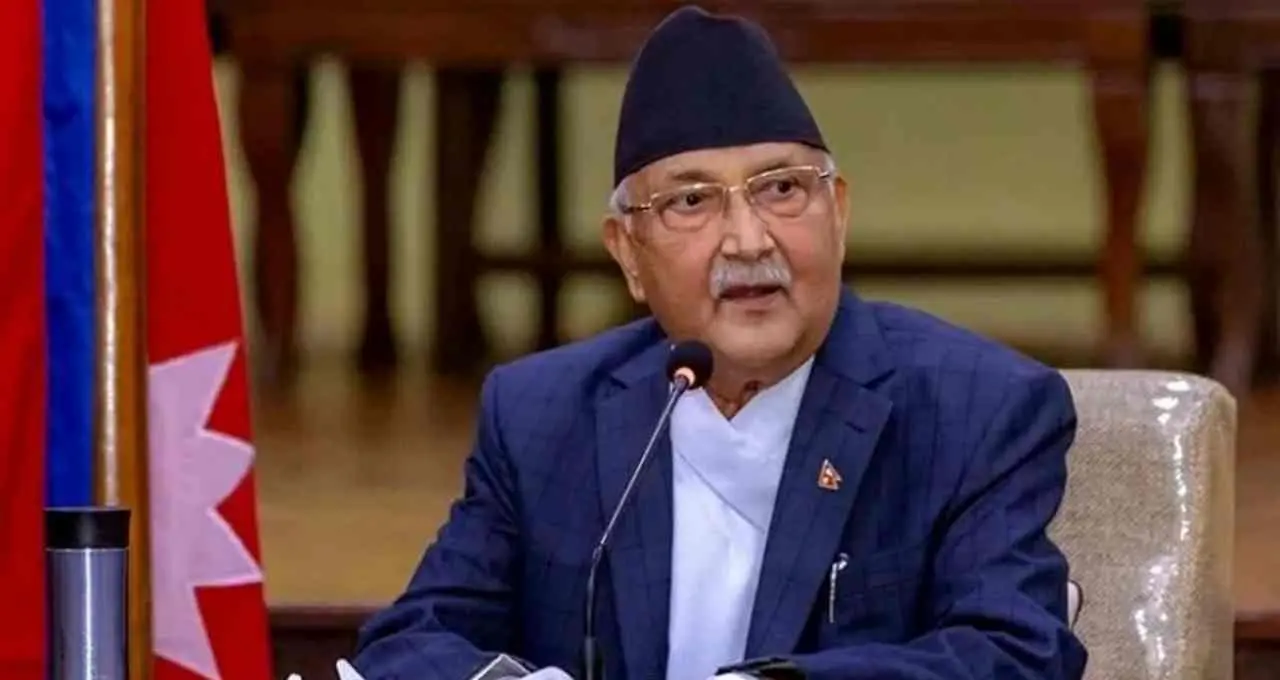
The Generation Z movement that began in Nepal in September 2025 gained widespread support among the youth. The protests, initially triggered by alleged restrictions on social media platforms and concerns over lack of government transparency, escalated into a nationwide movement.
On September 8, violent clashes occurred between police and protesters in Kathmandu and several other cities. At least 19 deaths were confirmed in initial reports from these clashes, while the total number of deaths during the protests was reported to exceed 70.
Protesters alleged that police used excessive force against peaceful demonstrators, including the use of live ammunition. These developments placed the Oli government under pressure, and amid rising political instability, KP Sharma Oli resigned as Prime Minister.
The arrests of Oli and Lekhak add a new development to Nepal’s political situation. Both leaders have remained at the center of political and social debate in recent months.
Supporters have stated that political accountability in these cases is necessary, while opponents have argued that the accused should undergo a fair judicial process.
The implementation of the special investigation commission’s recommendations has been described as a step toward legal accountability, reflecting government responsibility in matters of law and order and civilian safety.