
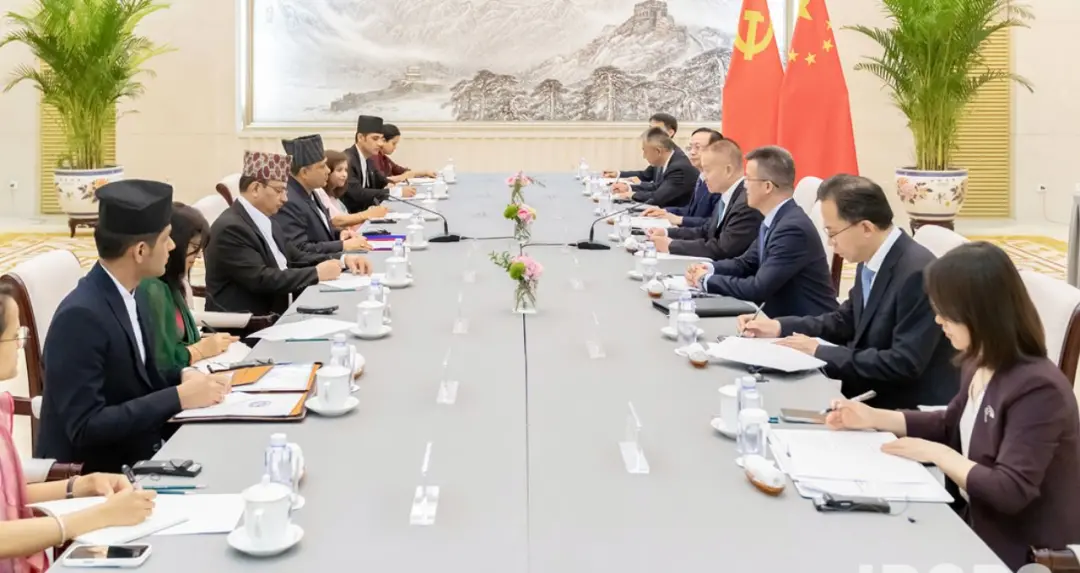
Nepal has again raised the Kalapani, Lipulekh and Limpiyadhura territorial dispute linked to the India-China border during a high-level diplomatic engagement in Beijing.
During bilateral talks held in Beijing on June 15, Nepal Foreign Minister Shishir Khanal stated that Kalapani, Limpiyadhura and Lipulekh are part of Nepal’s sovereign territory. He also asked Chinese Foreign Minister Wang Yi about the basis of the agreement between India and China regarding the use of the Lipulekh Pass and sought clarification on its legal and diplomatic nature.
Responding to the issue, Wang Yi said the matter is fundamentally a bilateral border dispute between India and Nepal and can only be resolved through dialogue and diplomatic processes. He did not endorse any side and maintained that the issue should remain within the framework of bilateral discussions.




The dispute is linked to the 2020 agreement between India and China under which both sides agreed to resume the Kailash Mansarovar pilgrimage and cross-border trade through the Lipulekh Pass. The route is considered important for both religious travel and trade.
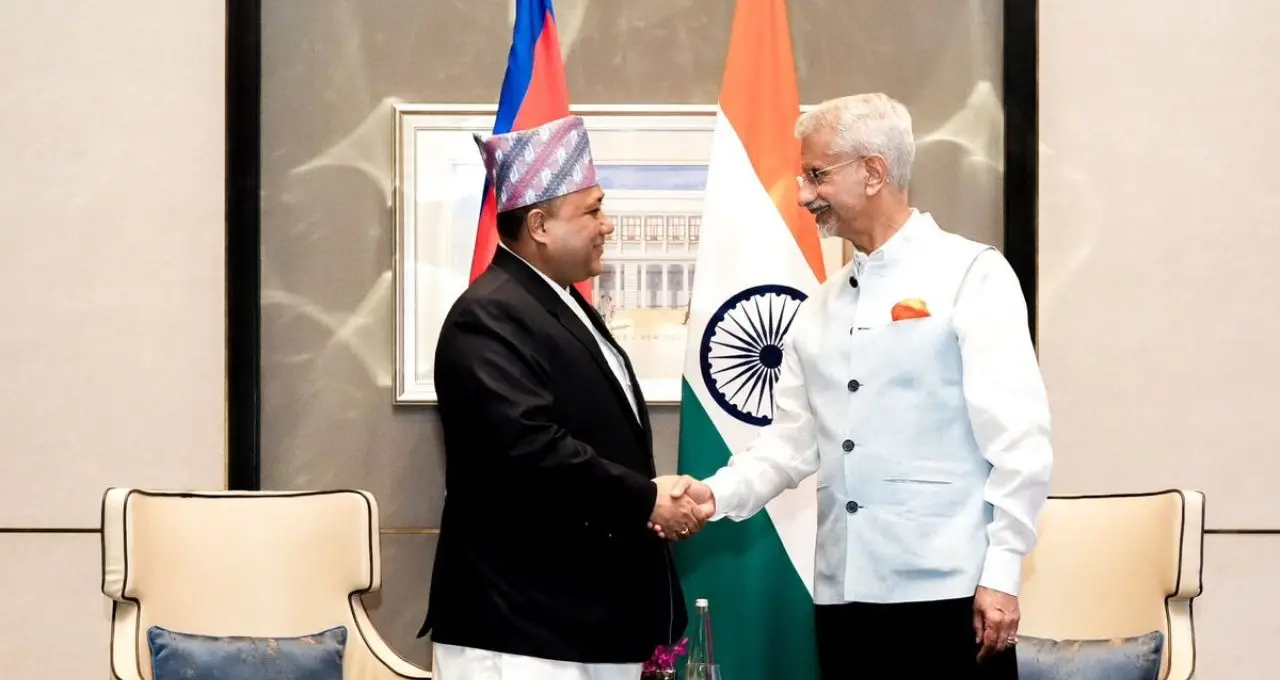
Following that agreement, Nepal lodged a formal protest, arguing that Lipulekh, Kalapani and Limpiyadhura are part of its historical and geographical territory and that any agreement concerning the area cannot be valid without Nepal’s consent. Kathmandu also sent formal diplomatic protest notes to both India and China.
Nepal has consistently maintained that the disputed territory falls within its sovereign borders. It argues that under the 1816 Sugauli Treaty, the land west of the Kali River belongs to Nepal. According to Nepal, differing interpretations regarding the source of the river have contributed to the continuation of the dispute. Nepal has also stated that any agreement involving the area without its consent violates international norms and has repeatedly registered diplomatic objections on that basis.
India maintains that the entire area is part of its sovereign territory and describes the Lipulekh Pass as a traditional route historically used for trade and the Kailash Mansarovar pilgrimage. India says the route has been used for centuries by pilgrims travelling to Kailash Mansarovar. The pass is also considered strategically important because it is located near the borders of India, Nepal and China and is regarded as sensitive from both security and trade perspectives.
China has continued to describe the matter as an issue between India and Nepal and has said it should be resolved through bilateral dialogue. Beijing has not presented itself as a direct party to the dispute.
Meanwhile, preparations are advancing to resume trade through the Lipulekh Pass on the India-China border. The route was closed following the Galwan Valley clash in 2020, but the process of reopening it has begun nearly six years later.
Around 300 traders from the Pithoragarh region of Uttarakhand have been proposed to travel to the Taklakot market in Tibet using trade passes rather than passports or visas. The move is expected to facilitate the revival of traditional border trade.
The 1816 Sugauli Treaty established the boundary between Nepal and British India and designated the Kali River as the border. The dispute centres on the location of the river’s actual source. India considers the eastern stream to be the source, while Nepal identifies the western stream as the origin. This disagreement has kept Kalapani, Limpiyadhura and Lipulekh at the centre of the territorial dispute for decades.
The issue involves the interests of India, Nepal and China. Strategic competition in the Himalayan region, border infrastructure development and efforts to resume trade routes have added complexity to the matter. According to experts, Nepal periodically raises the issue at international forums to advance its geopolitical interests, while India and China prefer to keep it within a bilateral framework.


