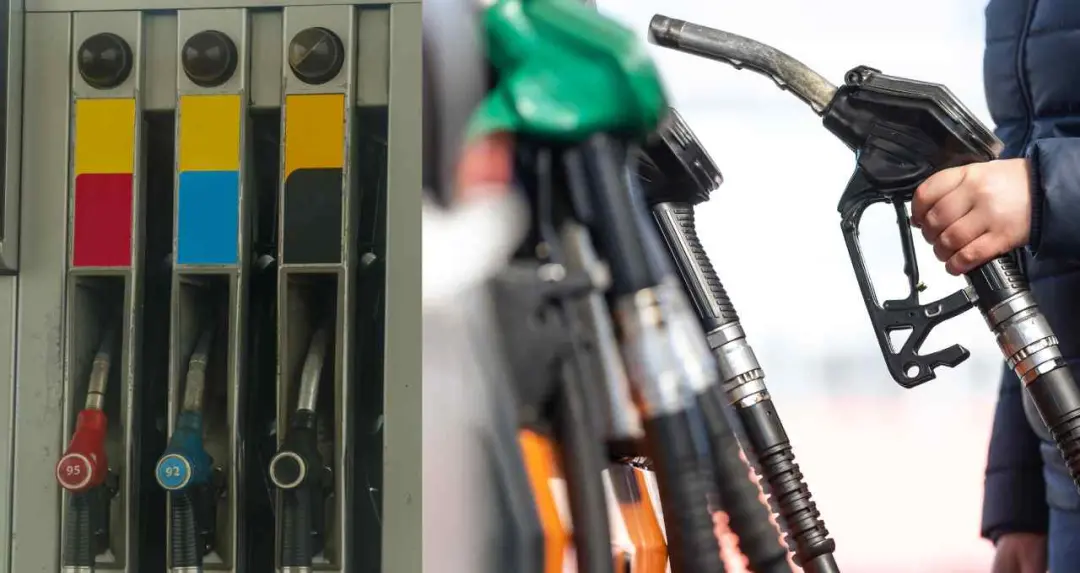
Energy prices in India are under renewed discussion after an increase in LPG cylinder prices, while petrol and diesel rates in major cities remained unchanged on 7 March despite Brent crude rising above $94 per barrel.
Oil marketing companies released the latest petrol and diesel prices on the morning of 7 March 2026. Despite a sharp rise in crude oil prices in the international market, there has been no major change in petrol and diesel prices in the Indian market. Minor fluctuations have been observed in some states and districts, but prices in major metropolitan cities remain stable.
According to the latest update issued in the morning, domestic LPG cylinder prices in India have been increased. Oil marketing companies notified that the price of a 14.2 kg domestic LPG cylinder has been raised by ₹60. The price of the 19 kg commercial LPG cylinder used by hotels, dhabas, and restaurants has been increased by up to ₹115.
Following this increase, questions have emerged about whether petrol and diesel prices may also rise. Oil companies have not made any major change to petrol and diesel prices at present. However, developments in the international market have kept the possibility of price changes in the coming days under discussion.




Global energy markets are currently witnessing volatility. Crude oil prices have risen amid geopolitical tensions. Recent tensions between Iran and the United States have created uncertainty in international markets, raising concerns over oil supply.
As a result, the price of Brent crude in the global market has crossed $94 per barrel. The rise in crude oil prices has raised concerns for countries such as India, which imports a large share of its energy requirements. Changes in international prices can therefore affect domestic fuel prices.
Oil companies issued updated petrol and diesel prices for different cities on the morning of 7 March. In New Delhi, petrol is priced at ₹94.72 per litre and diesel at ₹87.62 per litre. In Mumbai, petrol is ₹104.21 per litre and diesel ₹92.15 per litre.
In Kolkata, petrol is ₹103.94 per litre and diesel ₹90.76 per litre, while in Chennai petrol is around ₹100.75 per litre and diesel around ₹92.34 per litre.
Prices vary slightly across other cities. In Ahmedabad, petrol is about ₹94.49 per litre and diesel ₹90.17 per litre. In Bengaluru, petrol is approximately ₹102.92 per litre and diesel ₹89.02 per litre. In Hyderabad, petrol is ₹107.46 per litre and diesel ₹95.70 per litre. In Jaipur, petrol is ₹104.72 per litre and diesel ₹90.21 per litre.
In Lucknow, petrol is about ₹94.69 per litre and diesel ₹87.80 per litre. In Pune, petrol is ₹104.04 per litre and diesel ₹90.57 per litre. In Chandigarh, petrol is ₹94.30 per litre and diesel ₹82.45 per litre, while in Indore petrol is ₹106.48 per litre and diesel ₹91.88 per litre. In Patna, petrol is around ₹105.58 per litre and diesel ₹93.80 per litre.
Petrol and diesel prices vary slightly across districts in Uttar Pradesh due to differences in Value Added Tax (VAT) and transportation costs. In Agra, petrol is around ₹94.64 per litre and diesel about ₹87.80 per litre. In Noida and Ghaziabad, petrol is approximately ₹94.89 per litre and diesel around ₹88.01 per litre. Differences in local taxes and transport costs lead to small price variations between cities.
Several global factors are contributing to the rise in crude oil prices. One major factor is increasing tension in the Middle East. Recent confrontations between Iran and the United States have created uncertainty over oil supply.
In addition, rising disputes between Qatar and Iran have raised concerns about possible disruptions to oil supply through the Strait of Hormuz, an important global maritime route.
Energy experts state that if crude oil prices continue to rise in international markets, pressure on petrol and diesel prices in India may increase. In such a situation, oil marketing companies may revise prices in the coming days.
According to experts, if the global market rally continues, petrol and diesel prices could rise by ₹2 to ₹5 per litre. For now, the government and oil companies are monitoring the situation and adopting a strategy of assessing developments rather than immediately increasing prices.