
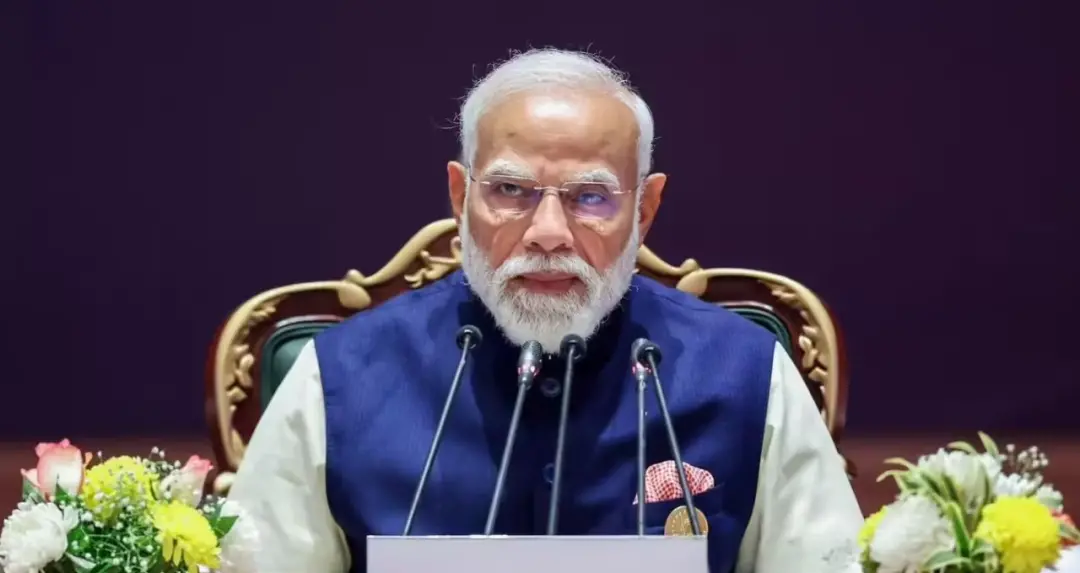
Prime Minister Narendra Modi on Tuesday chaired the second high-level review meeting with Secretaries to the Government of India at his official residence, 7, Lok Kalyan Marg, in New Delhi. The meeting reviewed progress across key sectors, including finance and economy, commerce and industry, technology, energy security, cybersecurity, and administrative reforms, as part of the government's efforts towards the goal of making India a developed nation and strengthening the future implementation roadmap.
The meeting was held as India continues its efforts to strengthen its position in areas such as economic growth, digital transformation, infrastructure expansion, and attracting global investment. The government emphasised the need for improved coordination among ministries to ensure the effective implementation of policies.
During the meeting, Prime Minister Modi said that b coordination among all ministries and departments is essential to achieve major national objectives. He urged officials to work with a spirit of teamwork and said that eliminating horizontal and vertical administrative barriers is necessary.
The Prime Minister said that coordinated functioning with shared objectives would enable faster, more transparent, and more effective implementation of government programmes. He also advised officials to adopt a results-based work culture and simplify and expedite decision-making processes.



The Prime Minister reiterated that every government policy and decision should remain centred on citizens. He said governance can be considered successful only when its benefits reach the public directly and lead to tangible improvements in people's quality of life.
He asked officials to ensure that government schemes are designed not only to achieve administrative objectives but also to fulfil the aspirations of citizens. He described service-oriented and accountable administration as the foundation of a developed India.
Prime Minister Modi said India is making significant investments in roads, railways, ports, airports, and digital infrastructure. He added that the development of physical infrastructure alone is not sufficient and urged officials to focus on developing indigenous technologies and strengthening domestic capabilities in critical sectors.
He said technological self-reliance is essential for India's long-term economic strength and global competitiveness.
Energy security was also a key subject of discussion during the meeting. The Prime Minister said energy security is not only an economic requirement but is also directly linked to national security, industrial development, and the welfare of citizens.
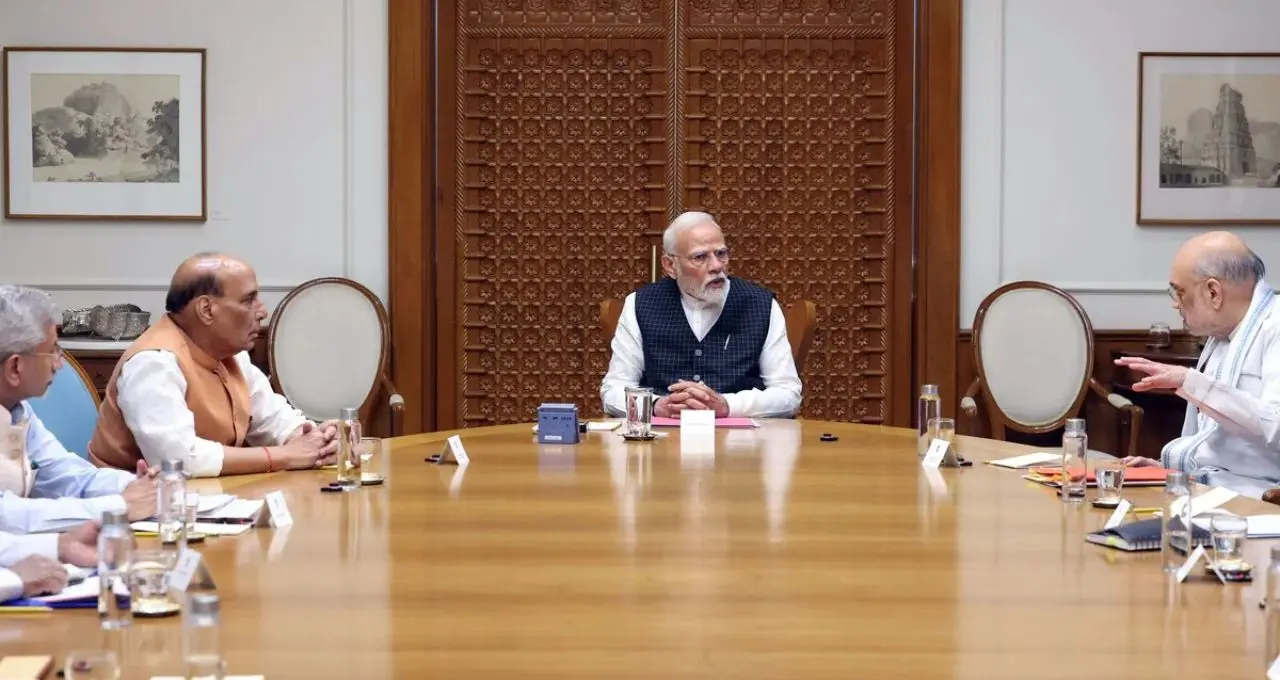
He emphasised innovation in the energy sector, the development of diversified energy sources, and capacity building, stating that India must develop a self-reliant energy system to reduce import dependence and strengthen long-term economic stability.
Prime Minister Modi said reforms should not be viewed merely as a popular term or a temporary initiative. Describing reforms as a continuous process of effective governance, he stressed the need to make government systems more modern, transparent, and accountable.
He called on officials to enhance institutional efficiency, improve work culture, and continuously update administrative processes in line with emerging challenges.
Highlighting the growing use of digital technologies, the Prime Minister said cybersecurity must remain among the government's highest priorities. He noted that as government services become increasingly digital, cybersecurity risks also increase.
He directed officials to ensure the security of digital systems and critical infrastructure and stressed the need to encourage young people, startups, and innovation-driven entrepreneurs to develop cybersecurity solutions.
The Prime Minister also emphasised the need for proactive public outreach and communication to effectively counter misinformation and rumours related to the government's major initiatives. He said transparent and timely dissemination of information in areas where the country is taking significant steps is essential to ensure the public receives accurate information and to prevent confusion.


