Activist Sonam Wangchuk ended his hunger strike late at night after receiving a written proposal and assurances from the government. He broke his fast by drinking juice offered by Union Minister J.P. Nadda following a prolonged hunger strike.
In a video message issued after ending the fast, Wangchuk said he had detailed discussions with government representatives over the past two days and explained the assurances he received. According to him, the talks were extensive and substantive, and he did not want to end the hunger strike solely on the basis of verbal assurances. He said he had sought a written commitment from the government and decided to conclude the protest after receiving a written proposal.
Union Minister J.P. Nadda and Union Minister Jitendra Singh visited Sonam Wangchuk at Medanta Hospital and urged him to end the hunger strike. Wangchuk said senior representatives of the Ladakh Apex Body were also present during the meeting.
He said around 65 Members of Parliament from various political parties had met him earlier and appealed to him to end the hunger strike. According to Wangchuk, the MPs assured him that issues related to the examination system and the alleged NEET paper leak would be raised in Parliament.

Wangchuk said the ministers representing the government adopted a positive approach towards his demands. He stated that after two days of discussions, the government provided a written assurance, following which he decided to end the protest.
Wangchuk said the government's written assurance included three key points.
According to him, the first assurance was that no legal action or FIR would be filed against students and youth holding peaceful demonstrations at Jantar Mantar. He also claimed that no action would be taken against those participating in the proposed "Sansad Chalo" march scheduled for July 20.
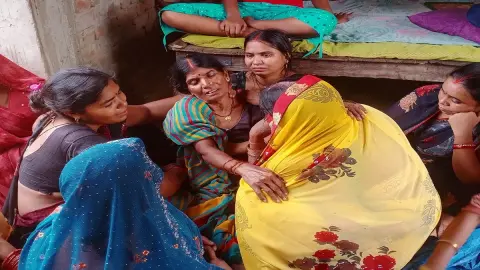
Second, Wangchuk said the government had assured compensation for the families of more than 20 students who lost their lives in developments linked to the paper leak controversy. According to him, the affected families would receive financial assistance from the government.

Third, he said there would be a detailed discussion and debate in Parliament on issues related to the examination system and education. According to Wangchuk, the discussion would also consider government accountability, with the objective of preventing similar incidents in the future and fixing responsibility in matters related to the current controversy.
Wangchuk said the government did not provide any definite assurance regarding the resignation of Union Education Minister Dharmendra Pradhan. According to him, the discussions did not clarify whether the minister would resign or, if so, when.
He said the resignation of the Education Minister was not the most important issue for him. According to Wangchuk, his primary objective was to safeguard the future of students and ensure that young people participating in peaceful protests did not face legal action that could affect their careers over the long term.
He added that if the Education Minister did not resign, the direct impact would not be on students or protesters. According to Wangchuk, the issue would instead relate more to government accountability and political consequences.
Wangchuk said he had the option of continuing the hunger strike or ending the protest after receiving the government's written assurances. He stated that many supporters had urged him to take care of his health and remain alive for future efforts.
He said his foremost concern was that students' futures should not be adversely affected and that young people participating in peaceful protests should not face stringent legal action. Wangchuk also expressed hope that the parliamentary discussion would lead to concrete steps towards accountability and reforms in the education and examination system.