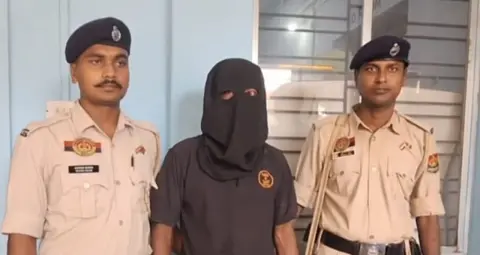
The father of a deceased student has accused his own relative, described as his cousin’s nephew, of making an obscene video of his son with girls and subsequently killing him. The father alleged that the accused wanted to take revenge on him and targeted his son because of the alleged personal dispute.
According to the deceased student’s father, the case began with the video. He alleged that an obscene video involving his son and girls was made, after which the dispute escalated. The father claimed that the accused was already angry with him and wanted to take revenge over an earlier grievance. He alleged that his son was killed because of this alleged enmity.
The allegations have not been independently verified and cannot be established before the investigation is completed. Police will need to determine who made the video, why it was made, who was involved in the dispute over it and whether it had any direct connection with the student’s death. If the video was a motive for the killing or part of an alleged conspiracy, investigators will need to collect relevant digital evidence.




The father’s direct allegation against his relative has also brought the possibility of a family dispute into focus. He said the accused wanted to harm him and harboured a desire for revenge. According to the father, this alleged personal dispute resulted in his son becoming the target of the violent incident.
The death has left the family grieving. The loss of the student has raised questions for his father about why his son was targeted. On the basis of the allegations made by the father, establishing the motive behind the killing will be an important part of the police investigation.
The reference to an obscene video could make the digital aspect of the investigation relevant. Mobile phones, social media accounts, chats and videos may provide links in a dispute. If the deceased student’s phone or the accused’s mobile device contains the relevant video, conversations, call records or other digital material, such evidence could assist the investigation. Any private or objectionable video should not be made public or used to reveal the identity of those involved. Such material should be examined only by the relevant agencies as evidence.
Police will also need to establish the nature of the relationship between the deceased student and the accused. Investigators may examine whether there had been any previous dispute between them, what allegedly caused the accused’s dispute with the father, and whether there had been any conversation or confrontation between the parties before the incident. People living nearby and family members may also be questioned to establish the sequence of events.
The allegation of revenge has made the possibility of an earlier dispute another aspect of the investigation. However, whether the student was targeted because of an alleged dispute involving his father can only be established through the investigation and available evidence.
If a case has been registered on the basis of the family’s allegations, investigators will need to collect evidence to verify them. Being accused of murder and being found guilty by a court are separate matters. Any action against the accused will therefore depend on the facts established during the investigation.
The father’s statement may be an important part of the investigation, but police will also need to corroborate it with independent evidence. Examination of the crime scene, CCTV footage from the surrounding area, mobile location data, call details, statements from witnesses and the postmortem report could help determine the direction of the case. Evidence relating to the accused’s presence or activities at the time of the killing could further establish the sequence of events.
The postmortem report may provide information about the actual cause of death and the nature of injuries sustained by the student. Police can examine these findings alongside the complaint and the allegations made by the family to establish how the incident occurred and what role, if any, different individuals played.
The alleged dispute over the video also raises the issue of misuse of private digital material. Creating, circulating or using objectionable material involving an individual to exert pressure can constitute a serious matter. However, the actual nature of the video, who created it and how it was used have yet to be established through the investigation.
The deceased student’s family is seeking answers about his death. The father has made serious allegations against his relative and wants the matter to be investigated. The police investigation will need to establish the facts through technical, physical and witness evidence rather than treating the allegations as established conclusions.
At present, the central allegation is that the deceased student’s father has accused his cousin’s nephew of murder and claimed that the accused wanted to take revenge on him. The father has also linked the alleged making of an obscene video to the incident. These allegations can be confirmed only after the investigation determines whether there was a direct connection between the video dispute, the alleged earlier enmity and the student’s death.
If the allegations are established during the investigation, the case could involve examination of offences connected with digital material in addition to the alleged murder. If sufficient evidence is not found to support the allegations, police will need to examine other possible motives and suspects. The investigation is ongoing, and the allegations made by the family cannot be treated as the final findings of the case.