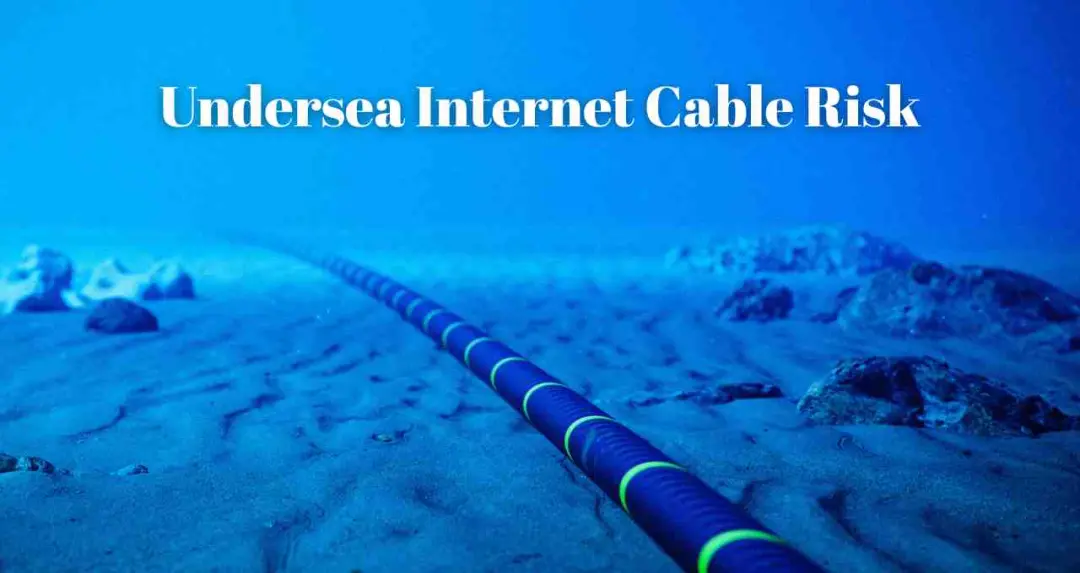
Undersea internet cables face heightened risk in conflict-affected maritime regions, particularly in shallow waters, where damage could disrupt global internet services. Experts warn that repairs during wartime conditions can be prolonged, affecting international data transmission.
Undersea internet cables are increasingly vulnerable in conflict-affected maritime areas, especially in regions such as the Strait of Hormuz, where shallow depths and intensified military activity make them more exposed. In such areas, sections of the sea are approximately 200 feet deep, making cable access easier and increasing the likelihood of damage from attacks or accidents.



During wartime, heightened maritime operations further elevate risks to these cables. Any disruption can impact internet connectivity across multiple countries.
Repairing damaged undersea cables becomes significantly more difficult in conflict conditions. Maritime security restrictions, ongoing military activity, and technical constraints can delay repair operations for weeks or months. This can result in prolonged disruptions to internet services and global data transmission.
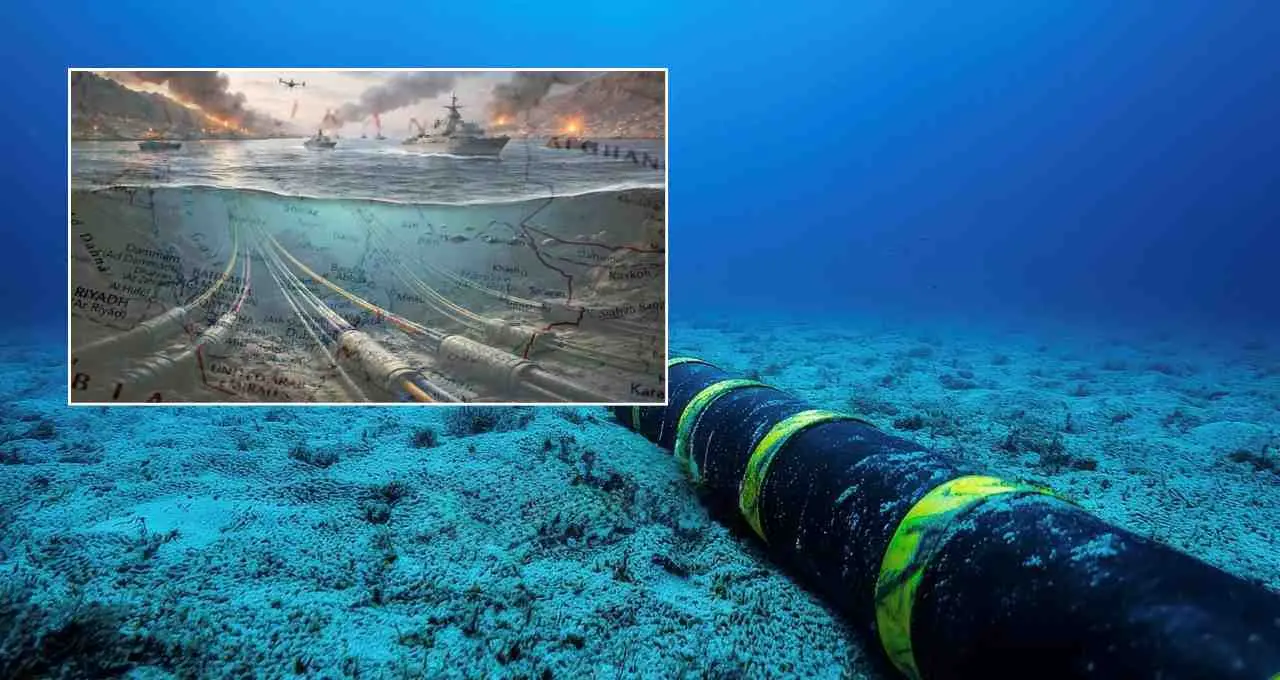
Undersea internet cables are engineered to be durable and resilient. They are designed to withstand natural events such as tsunamis, marine life interactions, and volcanic activity. These cables support high bandwidth and low latency, enabling fast and cost-effective data transmission.
Constructed using robust materials, they are not easily broken. Their flexible and lightweight design contributes to an average operational lifespan of approximately 25 years. A substantial portion of global internet traffic is transmitted through these cables.
Despite their strength, undersea cables have inherent limitations. They are susceptible to damage in areas prone to mudslides or underwater landslides. The installation process is complex and time-consuming, making the deployment of new cables challenging.
Damage to these cables presents a major challenge, as repairs are both costly and time-intensive. Wartime conditions further complicate these efforts. Security experts also note that these cables can be used for surveillance activities, adding to the range of potential risks.