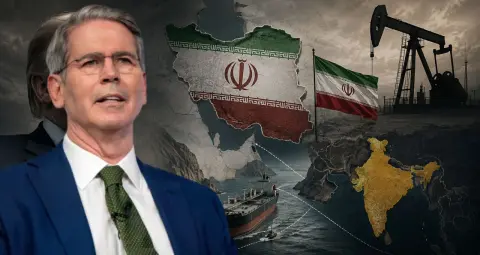
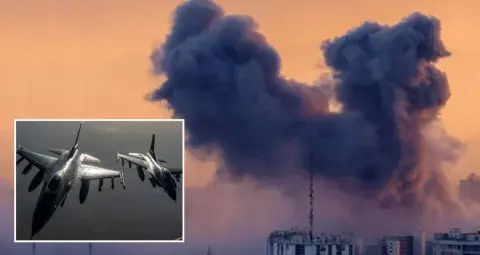
The United States and Iran have again moved into a period of heightened tensions following allegations that US forces targeted Iranian oil tankers and maritime positions in the Gulf region, further destabilising the security situation in the Middle East.
According to the latest developments, Iran has accused the United States military of carrying out attacks on Iranian oil tankers and maritime facilities during what Tehran described as an ongoing ceasefire period. Iranian officials said the incidents have increased distrust between the two countries.
Rising military activity around the Gulf of Oman and the Strait of Hormuz has also affected international trade and shipping operations. Reports said more than 1,500 vessels have been stranded in the region, affecting global energy supplies and commercial shipping routes.




The US President said in a statement that American warships in the Hormuz region came under missile and drone attacks, which were successfully intercepted by US forces. The President said retaliatory operations caused significant damage to Iranian naval units.
The President also stated that US vessels passed safely through the strait and that no major damage was reported. However, the claims have not been independently verified.
Iranian state media reported that US forces targeted an Iranian oil tanker near the Jask region along a maritime route. Iran said the attack violated international maritime laws and threatened regional stability.

Iran warned that it would deliver a “b response” to the action and take all necessary measures to defend its sovereignty.
According to international media reports, discussions are underway between the United States and Iran regarding a 30-day temporary ceasefire arrangement. Under the proposed framework, the Strait of Hormuz could be temporarily reopened for commercial shipping traffic.
The reported objective of the proposal is to reduce tensions and move toward a longer-term diplomatic resolution. However, disagreements over Iran’s nuclear programme and uranium enrichment activities remain unresolved.
During the negotiations, the United States has reportedly demanded that Iran limit its stockpile of highly enriched uranium and shut down key nuclear facilities. Reports also said Washington is seeking long-term restrictions as part of any agreement.
Iran, meanwhile, has proposed weakening part of its uranium stockpile and transferring remaining material to a third country, including the possibility of Russia. No final agreement has been reached on the issue.
The Strait of Hormuz remains one of the world’s most important oil transit routes, and the escalation has increased volatility in international markets. Analysts said prolonged disruption could lead to higher crude oil prices and further pressure on global supply chains.
The United Nations maritime agency also warned that the crisis is affecting thousands of sailors and commercial vessels, increasing both humanitarian and economic pressures across the region.