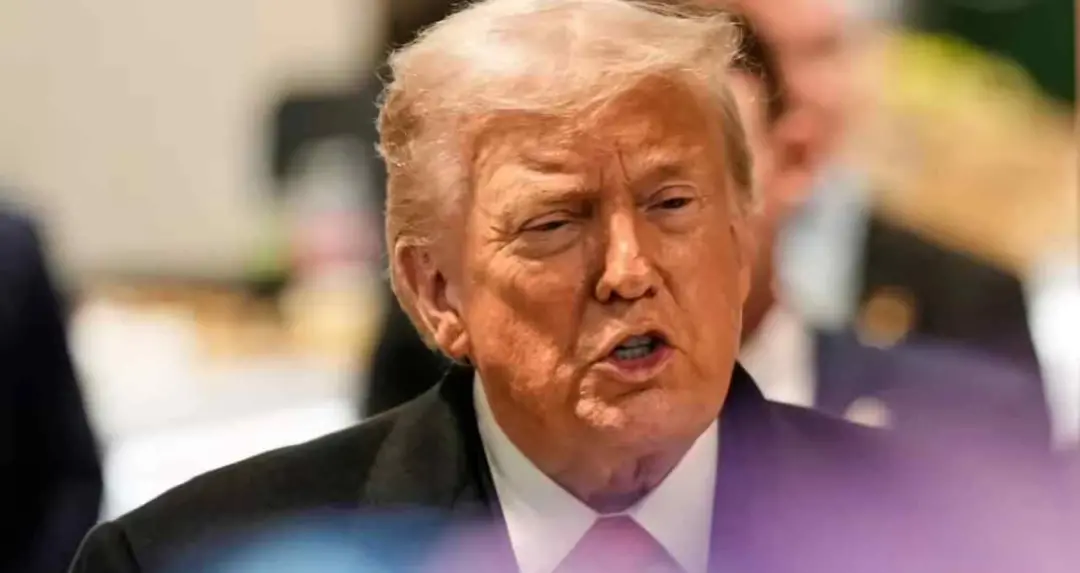
The United States–Iran confrontation in West Asia has entered its fifth week, during which a shift has been observed in the position of Donald Trump. Earlier, Trump had issued b warnings to Iran and insisted that the Strait of Hormuz must be reopened under all circumstances. However, he is now indicating support for ending the conflict even without reopening the strategic waterway. The change is being viewed as a strategic recalibration amid concerns that a prolonged conflict could also have adverse consequences for the United States.
According to reports, Trump has told his associates that the United States is prepared to end the conflict even if the Strait of Hormuz is not immediately reopened. He has assessed that attempts to reopen the waterway through military force could prolong the conflict. Estimates suggest that initiating such an operation could extend the conflict beyond the projected duration of four to six weeks. The current priority, therefore, is to avoid escalation risks and focus on ending hostilities.




A report by The Wall Street Journal stated that the United States is adjusting its military strategy. The Trump administration is now focusing on weakening Iran’s military capabilities instead of directly reopening the Strait of Hormuz. This approach may include targeting Iran’s naval assets and missile stockpiles.
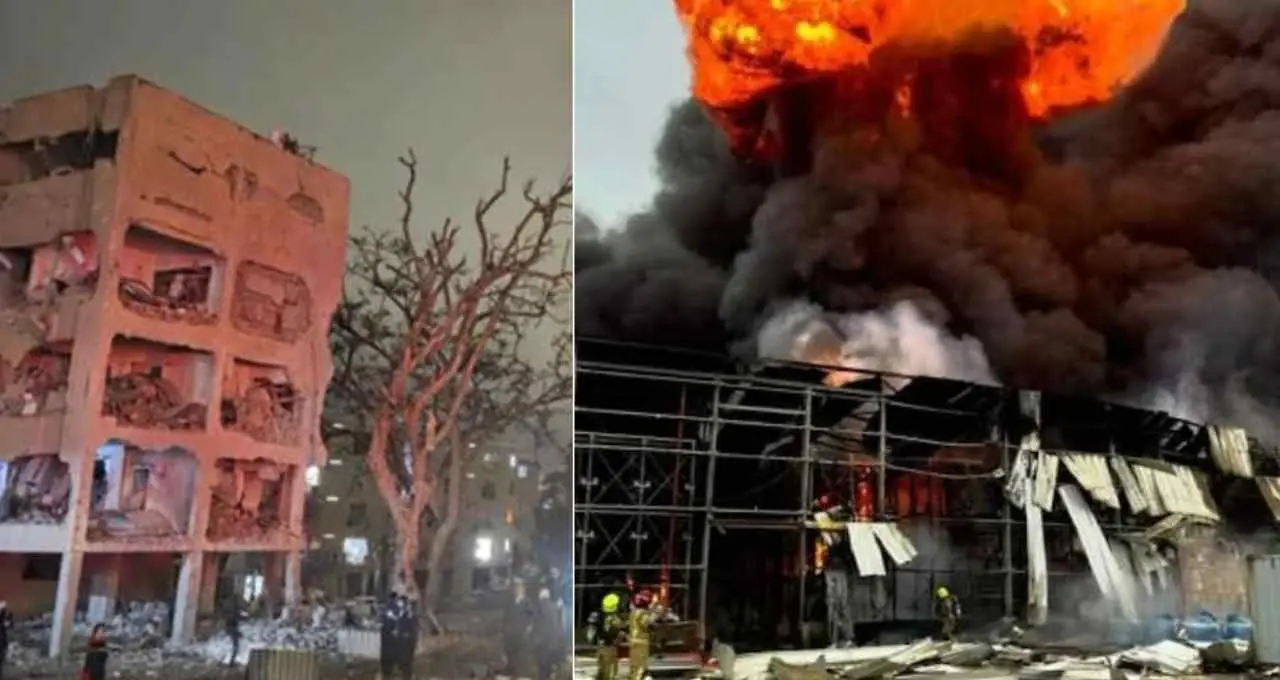
US officials have indicated that weakening Iran’s military strength could increase international pressure on Tehran, potentially compelling it to reopen the waterway. The strategy is aimed at achieving US objectives without undertaking a large-scale military operation.
Officials also stated that the United States is pursuing a combined military and diplomatic approach. Washington intends to increase pressure on Iran to restore normal commercial activity in the Strait of Hormuz. If these efforts do not succeed, the United States may involve its European and Gulf allies, urging them to collectively contribute to reopening the waterway, thereby distributing operational risk and maintaining international support.
Trump’s public statements during the conflict have shown variation. At the outset, he warned Iran of consequences if the Strait of Hormuz was not reopened. In statements posted on his social media platform, he had said that failure to reach an agreement could result in US strikes on Iran’s oil wells, power plants, and military bases. He also warned that desalination plants in Iran, which convert seawater into potable water, could be targeted.
Trump has now indicated that talks with the Iranian government are ongoing. He stated that an agreement between the two countries could lead to an end to the conflict. However, US officials have clarified that military options remain available and may be used if required, although they are not the current priority.