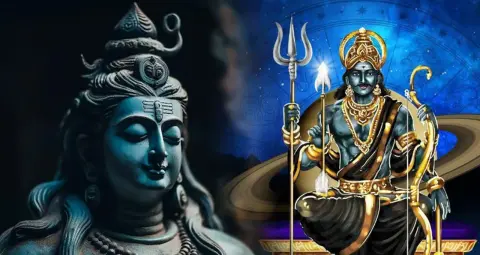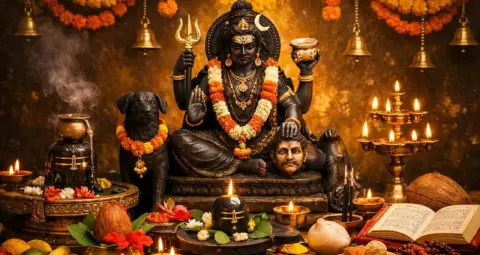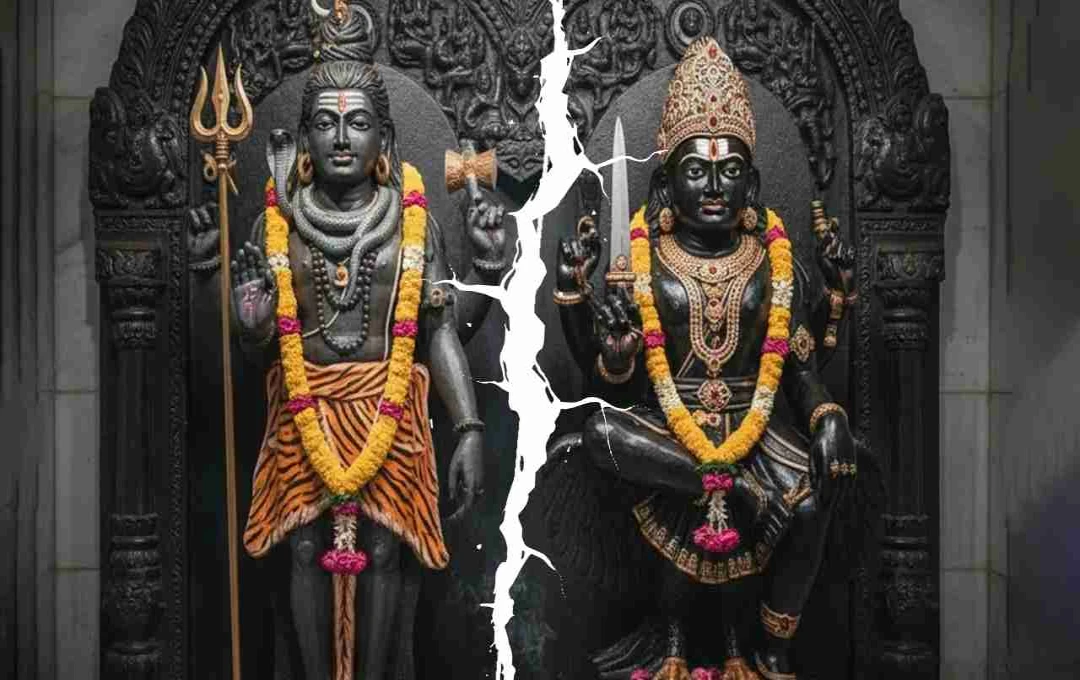
According to religious and astrological beliefs, idols of Lord Shiva and Shanidev are not installed in the same temple. Shiva's energy is calm and compassionate, while Shani's energy is considered punitive and serious. Their worship methods, natures, and symbolic planetary influences are also opposing, which is said to create a potential for energy imbalance.
Lord Shiva and Shanidev Puja Rules: In Hinduism, the worship of both Lord Shiva and Shanidev is considered highly auspicious, yet in most temples, idols of both deities are not placed together. According to religious scriptures, Shiva is the deity of destruction and compassion, while Shanidev symbolizes justice and the fruits of actions (karma). Their energies, worship methods, and astrological influences are different; Shiva is associated with the Moon, and Shanidev with the planet Saturn. Due to these opposing energies, it is believed that installing both on the same altar can disturb the energy balance and prevent the devotee from receiving the full benefit of the worship.
Distinct Natures of Lord Shiva and Shanidev




Lord Shiva is described as the deity of both destruction and welfare. He is considered extremely kind, simple, and easily pleased. Any devotee who worships him with a pure heart receives his immediate grace. On the other hand, Shanidev is described as the deity who delivers justice according to one's actions. He bestows results not based on favoritism, but strictly on one's karma. This is why Shiva symbolizes compassion, while Shanidev represents discipline and the fruits of actions. This fundamental difference in their natures is considered the reason why their idols are not kept together.
Differences in Energy and Worship Methods
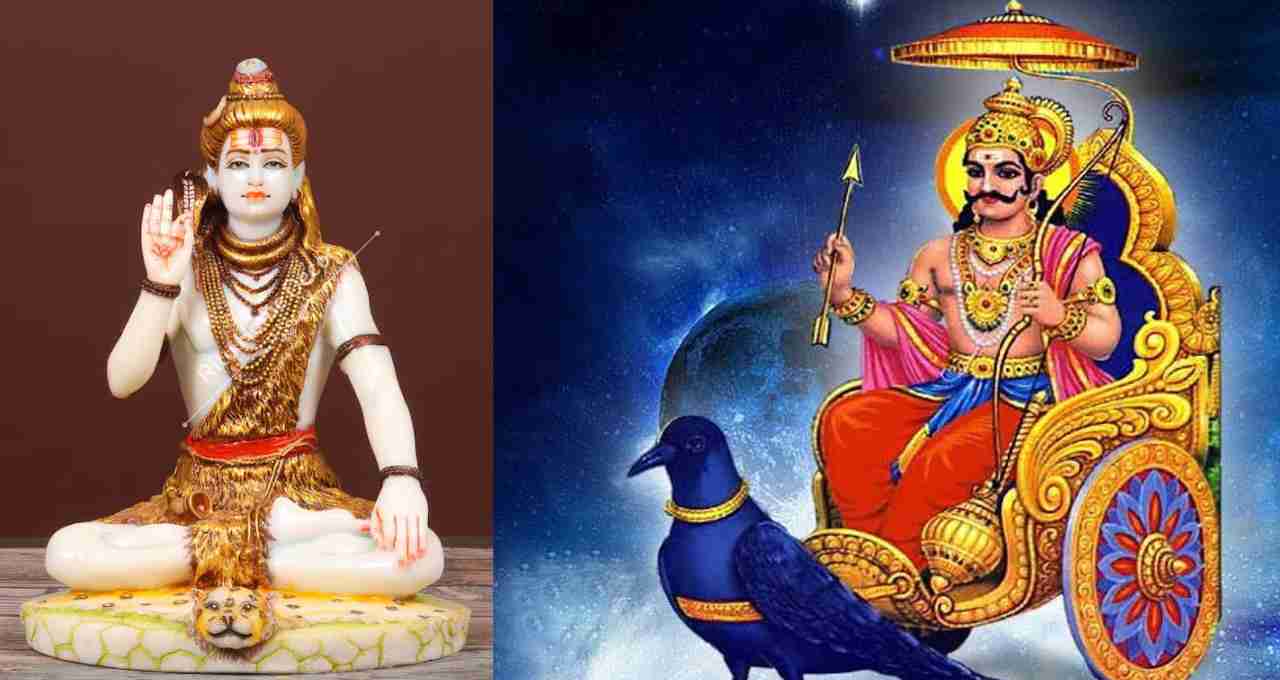
According to scriptures, Lord Shiva's energy is considered calm, cool, and compassionate. He is associated with the lunar element, which represents peace of mind and emotions. In contrast, Shanidev's energy is described as serious, strict, and punitive. Shanidev is associated with the planet Saturn, which symbolizes discipline, justice, and penance.
Furthermore, there are significant differences in their worship methods. Lord Shiva is worshipped with water, Bael leaves, sacred ash (Bhasma), and milk, while Shanidev is worshipped with sesame seeds, oil, black clothes, and iron. This is why it is believed that worshipping both together can lead to an imbalance in the energy of the worship.
Opposing Planets from an Astrological Perspective
According to astrology, Lord Shiva is associated with the Moon (Chandra), and Shanidev is associated with the planet Saturn (Shani). Both the Moon and Saturn are considered planets with opposing influences. While the Moon symbolizes mental softness, emotions, and peace, Saturn represents strictness, justice, and discipline. Therefore, it is said that if idols of both deities are installed in the same place, their planetary energies can clash, preventing the devotee from receiving the full benefit of the worship.
Distinct Forms of Devotion
The emotions and objectives of devotees' spiritual practices (Sadhana) also differ for both deities. Devotees of Lord Shiva expect him to be pleased quickly, whereas devotees of Shanidev seek justice and results according to their actions. This is why, in religious tradition, both are worshipped separately, so that the direction of devotion and the purpose of Sadhana remain clear.