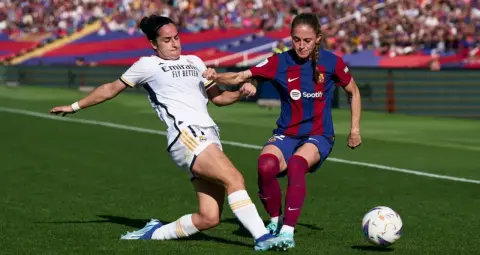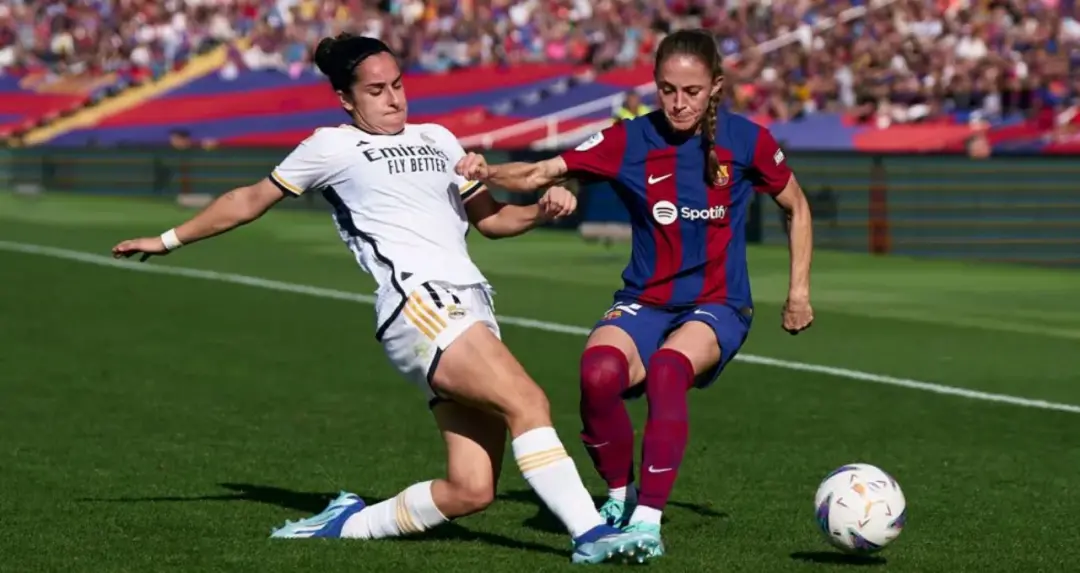
Women’s football is becoming an increasingly significant part of the global sports industry, with worldwide revenue projected to exceed $1 billion by 2027. However, despite the commercial expansion of the game, players continue to face challenges related to low wages, insecure contracts, delayed payments and mental health.
A new survey by FIFPRO, the global football players’ union, has highlighted these issues based on responses from more than 800 footballers. The findings indicate that many players face limited employment security and inadequate mental health support. Financial difficulties and psychological stress could also lead some players to consider ending their careers prematurely.
In the survey, 59% of players cited financial problems among the potential reasons for leaving football early, while 46% identified psychological stress as a key factor. The findings highlight a gap between the growing profile of women’s football and the working conditions experienced by its players.
According to the report, global revenue from women’s football stood at approximately $581 million in 2024. The figure is projected to rise to more than $1 billion by 2027. Growing popularity, increased public visibility, investment and expanding commercial opportunities are among the factors supporting this growth.
FIFPRO said the economic development of the sport needs to be accompanied by ber protections for players and greater security in employment arrangements. Alex Culvin, FIFPRO’s head of women’s football, said increased public visibility, financial insecurity and the absence of adequate support systems could contribute to psychological pressure on players.
Culvin said players’ visibility had increased, but low earnings were also contributing to greater expectations that they remain active on social media and other public platforms. According to her, some players have to rely on additional public-facing activities to supplement inadequate incomes.




Mental health emerged as a key issue in the report. Among the surveyed players, 57% said they had experienced mental health difficulties. Half of those players did not receive the necessary support from their clubs.
Culvin said that despite growing awareness of mental health, many players continued to feel that they had to manage their problems on their own. She said players experiencing higher levels of psychological stress reported that they had not received adequate mental health support at club or international level.
Performance pressure, financial uncertainty and public criticism can affect players’ experiences. The expansion of social media has made it easier for players and fans to interact, but it has also increased the risk of online harassment and abuse.
According to FIFPRO’s findings, wages, investment and public visibility in women’s football have increased considerably since 2017. However, not all players competing professionally receive the same level of financial security and support.
The report also examined players’ perceptions of their professional status. Under FIFA’s definition, a player is considered a professional if she has a written contract and receives payment exceeding the expenses incurred through playing football.
In the survey, 62% of players identified themselves as professionals, while 27% classified themselves as semi-professionals and 12% as amateurs. The percentages add up to slightly more than 100%, which may reflect rounding to whole numbers.
All the players surveyed represented clubs competing in the top-tier leagues of their respective countries. Nevertheless, only 78% reported having a written contract, while 82% said they received payment from their clubs. Just 57% said their payments were sufficient to cover the expenses associated with playing football.
According to Culvin, players who meet the definition of professionals but do not feel like professionals may not be receiving all the benefits associated with employee status. The findings highlight issues relating to contracts, wages and social protection.
Regional disparities remain evident in women’s football earnings. According to the report, average monthly income has tripled since 2017 to $2,601. However, the median salary stands at just $1,669. The median is the amount above which half of players earn and below which the other half earn.
Average monthly wages vary significantly by region. The figure stands at $6,450 in North America and $3,982 in Central and Western Europe. By comparison, average monthly earnings are $878 in Eastern Europe and just $480 in Africa.

The report said player wages had increased considerably in leagues in countries such as the United States and Mexico. Despite this, average wages in 10 Eastern European countries remain below their respective national minimum wages. In regions such as Western Europe and Asia-Oceania, average wages are also not substantially higher than national minimum wage levels, despite the presence of some major football markets.
FIFPRO said the report focuses on regional data rather than individual leagues. As a result, the organisation was unable to provide average salary figures for specific leagues.
The average contract length in women’s football has increased from approximately one year in 2017 to 19 months. However, many players still lack guaranteed income for all 12 months of the year.
According to Culvin, only around two-thirds of players receive payment for the full 12 months. Many players work under seven- or nine-month contracts and may have to seek other sources of income for the remainder of the year.
In the survey, 24% of players said they had received their wages late during the previous two seasons. Meanwhile, 42% said they were not provided with pension facilities. The figures highlight the difficulties many players face in planning their long-term finances despite the commercial expansion of the sport.
The growth of competitions such as England’s Women’s Super League has increased the visibility of women’s football. However, FIFPRO said the success of leading leagues could obscure the difficulties faced by players competing in less secure conditions in other markets.
Culvin said the economic case for women’s football was now largely established, but institutional rules, regulatory frameworks and policies needed to be improved more rapidly to protect players.
According to her, commercial growth should also translate into better working conditions, appropriate remuneration and mental health support for players. Adequate safeguards could help players perform better and build more stable careers.
FIFPRO’s report highlights the gap between the growing economic potential of women’s football and the conditions experienced by players. While global revenue is projected to increase, challenges involving low wages, insecure contracts, delayed payments and inadequate mental health support persist.