
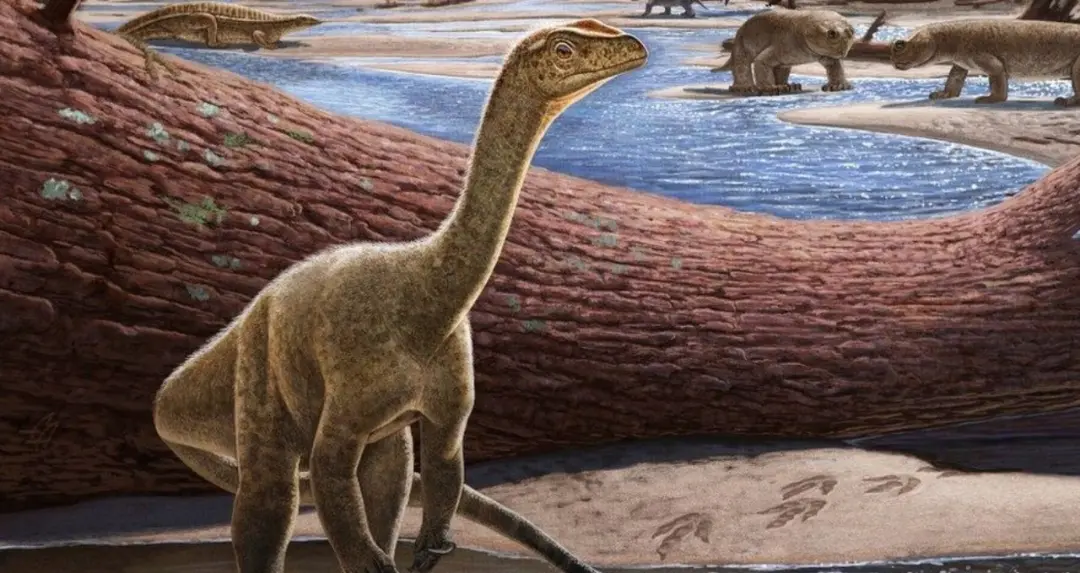
Scientists in Zimbabwe have discovered a new dinosaur species, Musango matusadonaensis, providing new evidence about prehistoric life in southern Africa and the early evolution of dinosaurs. Researchers said the species lived approximately 210 million years ago during the Late Triassic period.
The newly identified species has been named Musango matusadonaensis. According to researchers, the discovery is considered an important contribution to palaeontology in both Zimbabwe and Africa.
Experts said Musango matusadonaensis is only the fifth officially named dinosaur species from Zimbabwe. The fossil was recovered from the shores of Lake Kariba in Zimbabwe. Scientists said the region could yield additional important fossil discoveries in the future.




The discovery involved scientists from Zimbabwe, South Africa and the United Kingdom. The research findings have been published in the Journal of Systematic Palaeontology. The study was led by Professor Paul Barrett of the Natural History Museum in London. According to Barrett, the discovery indicates that dinosaur diversity in ancient southern Africa was greater than previously understood.
Scientists said the dinosaur measured approximately 4.5 metres in length, comparable to the size of a medium-sized car. Fossil analysis indicated it was about eight years old at the time of its death and had reached near full maturity. Researchers recovered vertebrae as well as bones from its forelimbs and hind limbs, which were used to study its anatomy and lifestyle.
Musango belonged to the Sauropodomorph group, the same lineage that later gave rise to giant dinosaurs such as Diplodocus. Unlike its later descendants, however, Musango primarily moved on two legs. Researchers said this provides evidence of how early dinosaurs evolved over time.
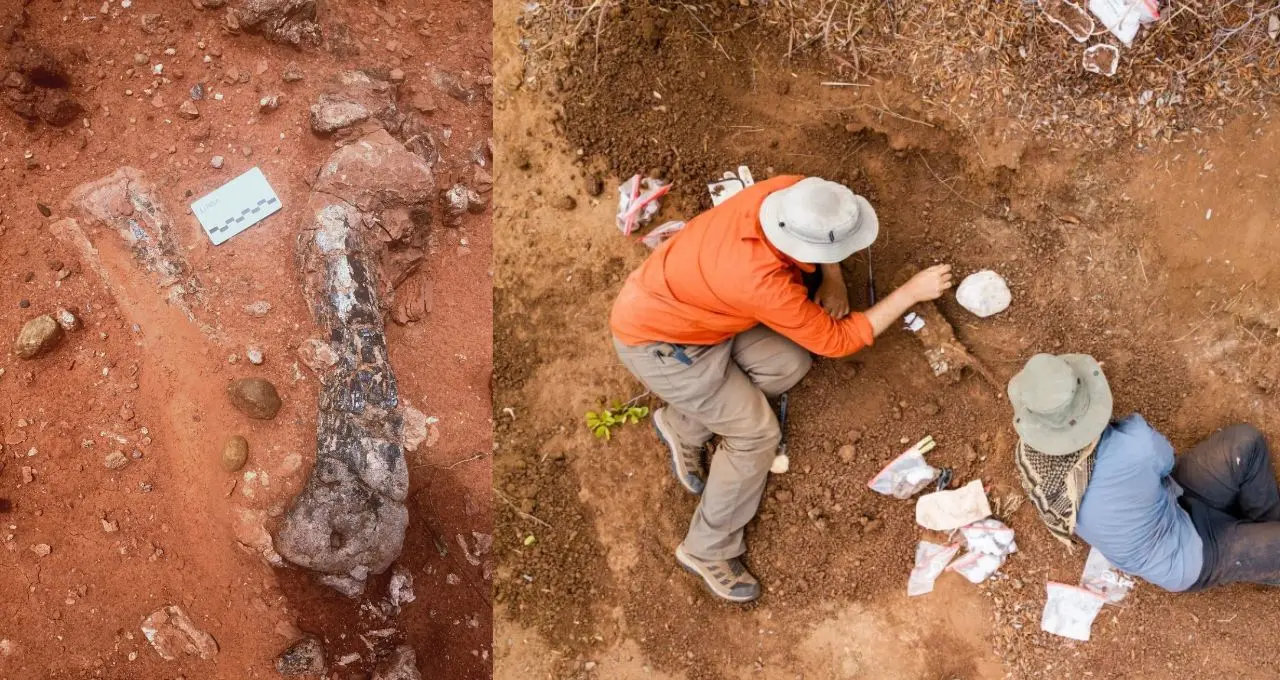
Scientists said Musango was not exclusively herbivorous. According to the study, it was an omnivore that consumed both plants and small animals. Researchers said it may have preyed on Phytosaurs, lungfish and smaller dinosaurs living during the same period, suggesting that the diets of early dinosaurs were more varied than previously understood.
When Musango lived, present-day Africa formed part of the supercontinent Gondwana, which also included modern-day South America, India, Australia and Antarctica. Scientists said the region contained multiple distinct ecosystems where different groups of animals and dinosaurs evolved.
For many years, scientists believed that most dinosaurs living in southern Africa were broadly similar. Professor Paul Barrett said the new fossils indicate that the Gondwana region was divided into several smaller ecosystems inhabited by different dinosaur species and other animals. According to the researchers, the findings provide a more complex picture of dinosaur evolution.
While dinosaur fossil research has been extensive in Europe and North America for decades, comparatively fewer studies have been conducted in Africa. Researchers said each new fossil discovery from the continent contributes important evidence to the global scientific understanding of prehistoric life. Experts said additional dinosaur species could be identified in Africa through future research.
Researchers said the discovery of Musango matusadonaensis helps improve understanding of how dinosaurs evolved, how their diversity differed across regions and how they adapted to changing environments. The study also indicates that Earth's ancient ecosystems were more diverse and complex than previously understood.


