
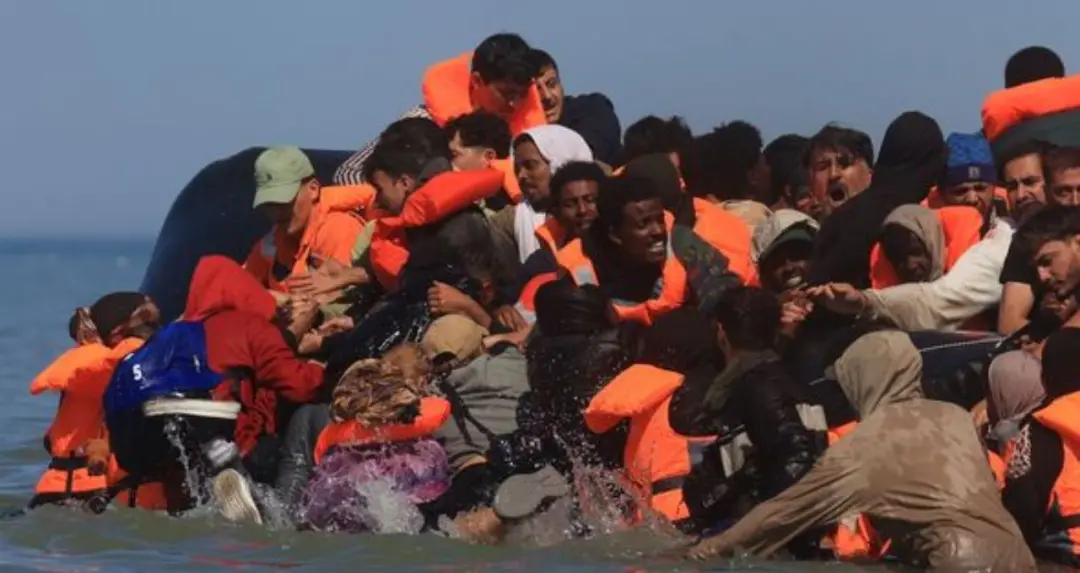
A boat carrying migrants attempting to cross the English Channel to reach the United Kingdom caught fire after its engine ignited, prompting a joint rescue operation by French and British maritime authorities that safely evacuated all 157 people on board.
According to French maritime authorities, the vessel departed from France's northern coast on Monday night bound for the United Kingdom. During the early stages of the journey, a maritime patrol offered assistance to the boat, but most of those on board declined, hoping to continue their journey to the UK. Authorities said only a small number of passengers requiring immediate assistance were rescued at that stage, while the remainder continued the crossing.
On Tuesday morning, the boat's engine caught fire, causing the vessel's structure to deteriorate rapidly and creating a risk of it sinking. Following reports of the incident, French and British maritime rescue agencies launched a coordinated operation to evacuate those on board.




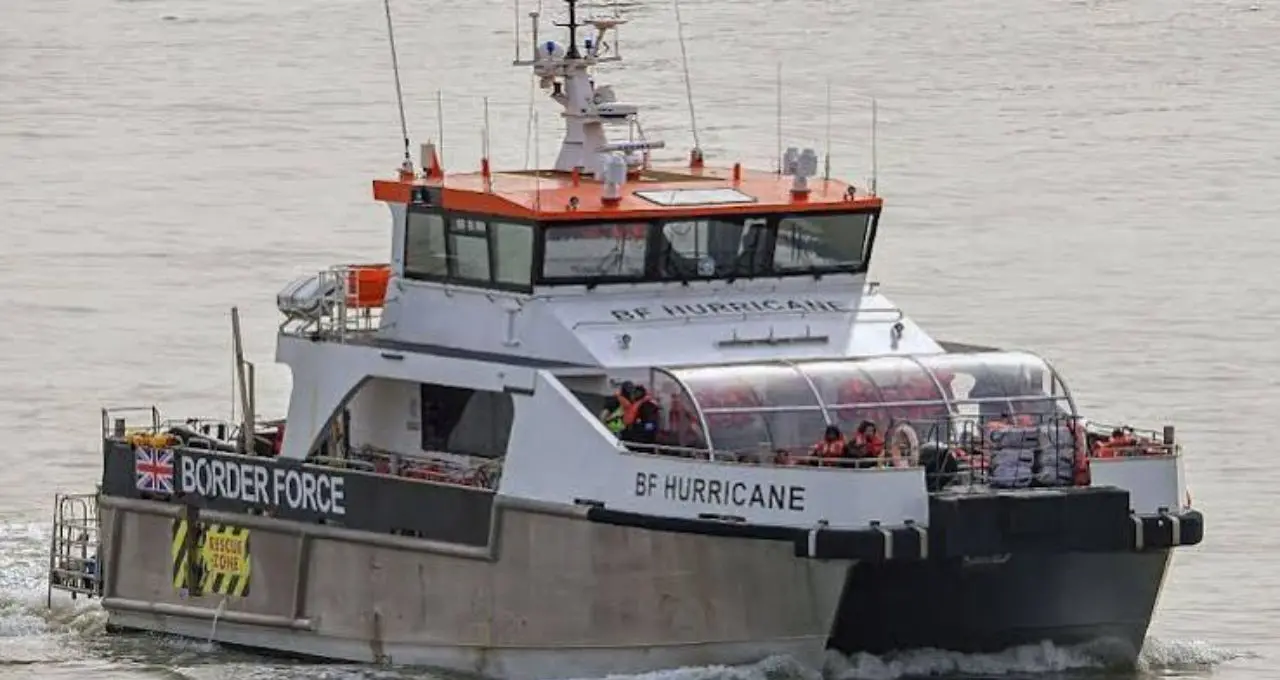
The rescue operation involved two French patrol vessels and several British maritime units, including the UK Border Force and the Royal National Lifeboat Institution (RNLI) lifeboats.
French authorities said 103 people were rescued by French vessels, while 54 were evacuated by British rescue ships. All 157 migrants were subsequently taken to the French port of Boulogne-sur-Mer, where they underwent medical examinations and received necessary assistance.
According to the latest official information, no deaths or serious injuries were reported. Authorities said several passengers were suffering from fatigue and exposure to cold conditions, but none was reported to be in critical condition.
The incident comes amid continuing political debate in the United Kingdom over irregular migration, human trafficking and the increasing number of attempts to cross the English Channel in small boats.
The English Channel is one of the world's busiest shipping routes, yet thousands of migrants attempt to reach the United Kingdom each year using small and temporary boats. Such vessels are often overloaded, while adverse weather, b currents, mechanical failures and limited safety equipment increase the risks associated with these crossings.
The government has said action against human trafficking networks is being intensified, maritime surveillance is being strengthened in cooperation with France, and efforts are also being made to develop safe and legal migration routes.
In recent years, France and the United Kingdom have expanded joint measures aimed at preventing irregular migration across the English Channel, including enhanced maritime surveillance, the deployment of drones and helicopters, increased sea patrols, and coordinated operations against human trafficking networks.
Human rights organisations have said that war, poverty, political instability and economic hardship continue to drive thousands of people to undertake dangerous journeys to Europe, allowing human trafficking networks to exploit vulnerable migrants. Experts say that unless safe and legal migration pathways are expanded, such hazardous sea crossings are unlikely to end.


