
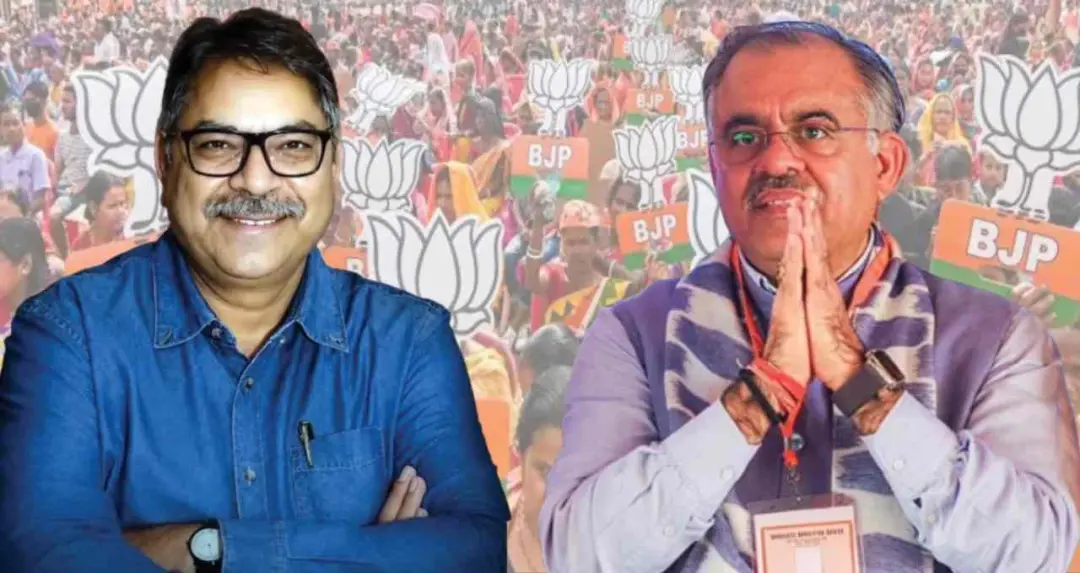
The Bharatiya Janata Party (BJP) has announced four candidates for the Rajya Sabha and the biennial elections to the Karnataka Legislative Council. The party’s Central Election Committee approved the names of candidates for two Rajya Sabha seats from Madhya Pradesh and Karnataka and two seats in the Karnataka Legislative Council.
Political activity has intensified ahead of the upcoming Rajya Sabha and Legislative Council elections in India. The ruling BJP has announced its candidates for the Rajya Sabha elections from Madhya Pradesh and Karnataka. The party has also named two candidates for the biennial elections to the Karnataka Legislative Council.
The BJP’s Central Election Committee approved the candidates for the upcoming elections. The names were officially announced by BJP National General Secretary and Headquarters In-charge Arun Singh.



For the Rajya Sabha election, the BJP has nominated Mahesh Kewat from Madhya Pradesh and Professor Dr. M. Nagarajan from Karnataka. Members of the Rajya Sabha, the upper house of India’s Parliament, are elected by the elected members of the respective state legislative assemblies, making the strength of political parties in the assemblies a key factor in the outcome.
For the biennial Karnataka Legislative Council election, the BJP has fielded Lingaraj Patil and Raghu Kautilya. Karnataka is among the Indian states with a bicameral legislature, where the Legislative Council functions as the upper house of the state legislature.
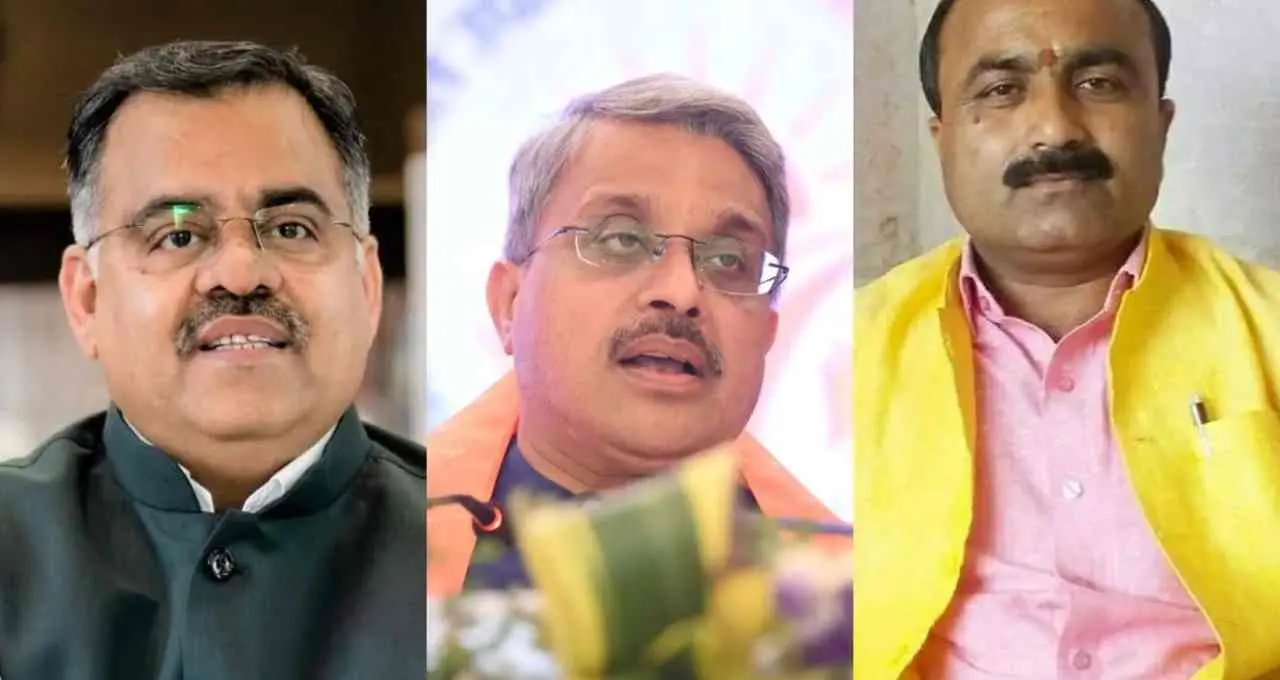
In Madhya Pradesh, the Congress has nominated senior leader Meenakshi Natarajan as its Rajya Sabha candidate against BJP nominee Mahesh Kewat. Elections will be held for three Rajya Sabha seats from the state. Based on the current composition of the legislative assembly, BJP is expected to secure two seats, while the contest for the third seat could become competitive between the BJP and Congress.
The BJP had earlier announced Tarun Chugh and Rajneesh Agrawal as candidates, while the Congress is seeking to strengthen its claim for the third seat.
The arithmetic of the Madhya Pradesh Legislative Assembly is expected to play a significant role in the election. The assembly has a total strength of 230 members, although the effective number of votes is considered to be 228. The BJP has 164 legislators, while the effective strength of the Congress has declined for various reasons. Political analysts believe that the contest for the third Rajya Sabha seat could depend on both the legislative numbers and the possibility of cross-voting. Rajya Sabha elections in India have, on several occasions, witnessed voting beyond party lines.
Under the election schedule, voting for 24 Rajya Sabha seats across 10 states, including Arunachal Pradesh, Gujarat, Madhya Pradesh, Rajasthan, Manipur and Karnataka, will be held on June 18. The Karnataka Legislative Council election will also be conducted on the same day. In Madhya Pradesh, a Rajya Sabha candidate will require 58 votes to secure victory.
The BJP has sufficient numerical strength to win two seats comfortably, while the Congress will seek to retain its position in the contest for the third seat. The BJP’s decision to field an additional candidate has increased the significance of electoral strategy and competition in the election.


