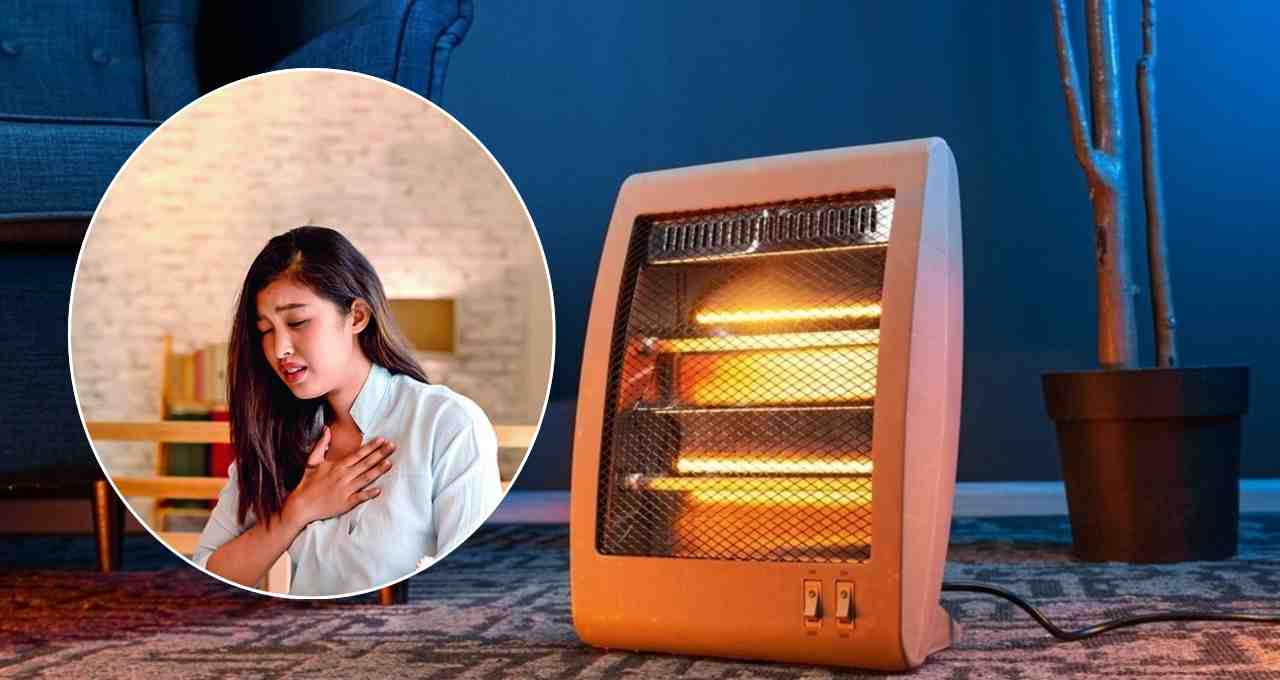
In winter, the use of heaters in homes is common, but it can be risky for people with asthma and other respiratory illnesses. Heaters dry out the air and spread dust and allergens, increasing the risk of shortness of breath, coughing, and asthma attacks. Experts recommend using them for short periods with proper ventilation.
Heater Use and Health Precautions: During the cold season, the use of heaters in homes increases, but individuals with asthma or any respiratory illness should be cautious. According to Dr. L.H. Ghotekar of Lady Hardinge Hospital, heaters reduce room humidity, drying out the air, and spread dust, allergens, or pet dander, which increases the risk of coughing, shortness of breath, and asthma attacks. Experts advise patients to use heaters for only 20-30 minutes, maintain light ventilation, and ensure humidity with a humidifier or a bowl of water to minimize health risks.




Safety Measures While Using a Heater
Light ventilation is essential in the room while the heater is running. Keep a window slightly open and turn off the heater every 20-30 minutes to allow fresh air in.
Keeping a humidifier or a bowl of water in the room helps maintain humidity. Do not place the heater directly next to you and do not operate it at very high temperatures. Avoid keeping the heater on for extended periods while sleeping.
Special Attention for Sensitive Groups
Children, the elderly, and patients with heart conditions or high blood pressure are also sensitive to problems caused by heaters. Continuous use of heaters can lead to issues such as skin and eye irritation, nasal congestion, headaches, fatigue, disturbed sleep, and irritability.
According to experts, the safest measure for patients with respiratory illnesses is to use heaters for short periods and maintain air balance in the room.