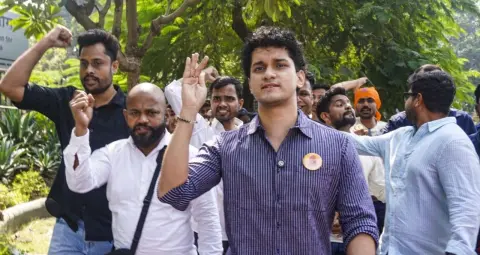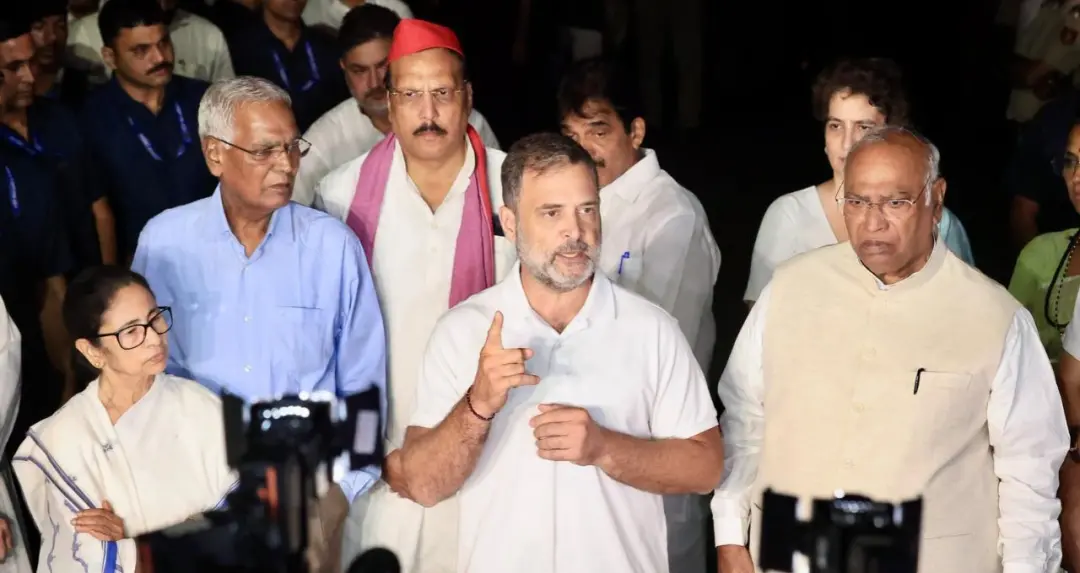
The INDIA bloc, a coalition of opposition parties including the Congress, has announced a march to the Supreme Court on Monday, October 12, 2026, over allegations of irregularities in the electoral process and vote theft. The Congress has named the protest “Chalo Delhi – March for Democracy”. The opposition is demanding the resignation of Chief Election Commissioner Gyanesh Kumar, a halt to the Special Intensive Revision (SIR) of electoral rolls, and elections conducted using ballot papers.
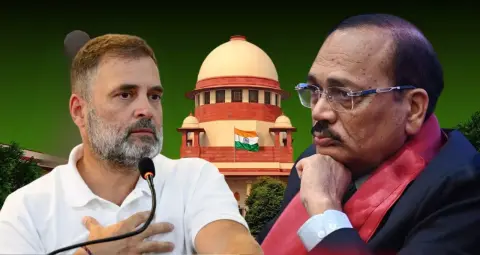
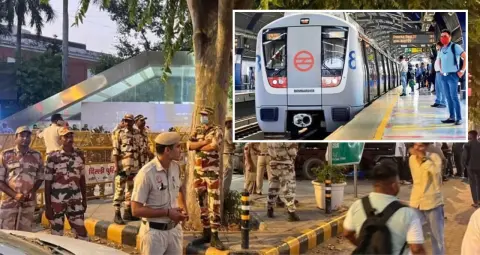
Meanwhile, Chief Justice of India (CJI) Suryakant has declined to meet Rahul Gandhi, Leader of the Opposition in the Lok Sabha. Security has been tightened across several key areas of Delhi ahead of the protest, with entry and exit gates at six metro stations closed.
Leaders of the Congress and other opposition parties in the INDIA bloc are scheduled to march in Delhi on Monday. According to the available information, opposition leaders will assemble at the Connaught Place and Barakhamba Road junction at 1:30 pm before proceeding with the proposed march to raise issues concerning the electoral process.
The opposition has called for measures to ensure transparency in elections and protect voters’ rights. Its demands include the resignation of Chief Election Commissioner Gyanesh Kumar, a halt to the Special Intensive Revision (SIR) of electoral rolls, and the use of ballot papers for conducting elections.
The allegations of vote theft remain claims made by opposition parties. Their verification requires an assessment of relevant electoral data, documents and official responses.
Rahul Gandhi sought an appointment with Chief Justice of India Suryakant on Sunday to submit a memorandum concerning issues related to the electoral process. According to sources, the CJI did not accept the request.

The Chief Justice reportedly said that cases concerning these issues were already pending before the Supreme Court and declined to meet Gandhi.
Following the decision, the Congress said it respected the CJI’s position but would continue with the march to raise questions concerning democracy and the electoral process.
The refusal to meet Gandhi does not, in itself, constitute judicial confirmation or rejection of the allegations raised by either side.
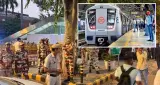
Passenger movement has been affected at six key Delhi Metro stations ahead of the opposition march. The stations are Janpath, Mandi House, Barakhamba Road, Central Secretariat, Rajiv Chowk and Patel Chowk.
According to the available information, entry and exit gates at these stations were scheduled to remain closed until 4 pm on Monday. Passengers have been advised to check the latest metro service updates before travelling and consider alternative stations or routes where necessary.
Security arrangements have been strengthened across key areas of New Delhi and Central Delhi. The measures may increase travel times for office commuters, local residents and other passengers. Official Delhi Metro announcements remain the reference for confirmation of closure periods and operational changes.
The Delhi Traffic Police has also issued a traffic advisory in view of the protest. According to the available information, diversions were planned from 6 am on several major roads and junctions, including Shankar Road–Vande Mataram T-Point, Dhaula Kuan Flyover, Jhandewalan Roundabout, Mandi House, Connaught Place, Parliament Street, Patel Chowk and areas around Ashoka Road.
The police has advised travellers heading from New Delhi and Central Delhi towards railway stations, inter-state bus terminals (ISBTs) or the airport to allow additional travel time. People have also been advised to avoid non-essential journeys.
Traffic arrangements may change depending on conditions during the protest. Commuters have been advised to leave early, use alternative routes and follow police instructions.
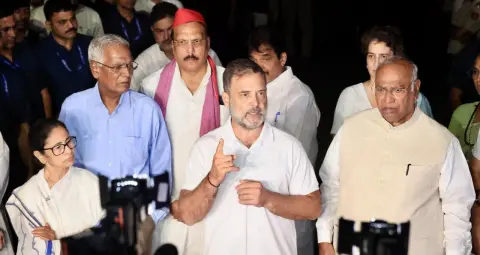
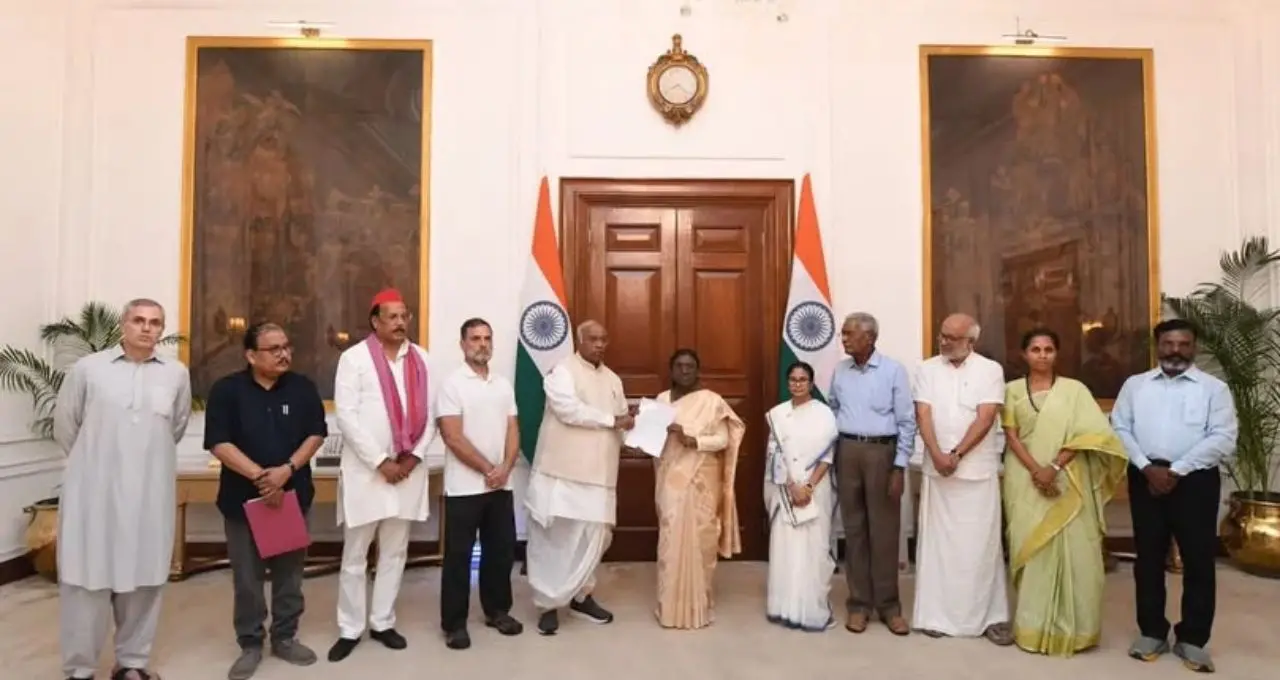
The opposition had previously raised concerns about the electoral process. According to the available information, INDIA bloc leaders marched from Parliament to Vijay Chowk on October 9. A delegation of opposition leaders subsequently met President Droupadi Murmu and submitted a memorandum.
The delegation reportedly included Rahul Gandhi, Mallikarjun Kharge and Mamata Banerjee, among other opposition leaders. Other MPs staged a sit-in protest at Vijay Chowk.
Through the memorandum, the opposition raised issues relating to the electoral process and electoral rolls. Opposition leaders have called on the relevant institutions to address these matters and ensure transparency in elections.
Opposition MPs staged protests on October 6, 7, 8 and 9 against the Chief Election Commissioner and the SIR process. According to the available details, Rahul Gandhi and Priyanka Gandhi Vadra were detained by police three times during these protests.
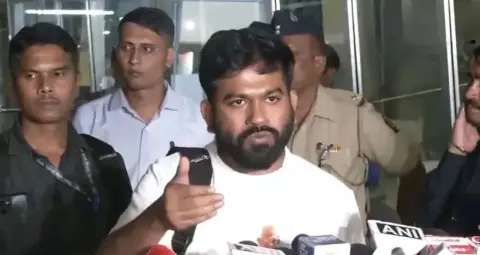
The opposition has also protested against the detention of demonstrators in Delhi on October 10 and allegations of assault during the action. Opposition leaders have questioned the police response and called for an investigation into the treatment of protesters.
A detailed account from the relevant police authorities is needed to establish the number of people detained, the circumstances surrounding the action and the allegations of assault. Independent examination of the claims and official information would help clarify the events.
The INDIA bloc’s proposed march comes amid an ongoing political debate over electoral transparency, the revision of voter lists and the method of conducting elections. The opposition is demanding ballot paper-based elections, the resignation of the Chief Election Commissioner and a halt to the SIR process.
The demands and allegations need to be assessed in the context of the relevant constitutional provisions, the Election Commission’s position and the judicial proceedings concerning these issues.
The proposed march is expected to affect security and traffic arrangements in Delhi. Developments during the protest, subsequent police action and responses from the relevant institutions are among the issues arising from the demonstration.