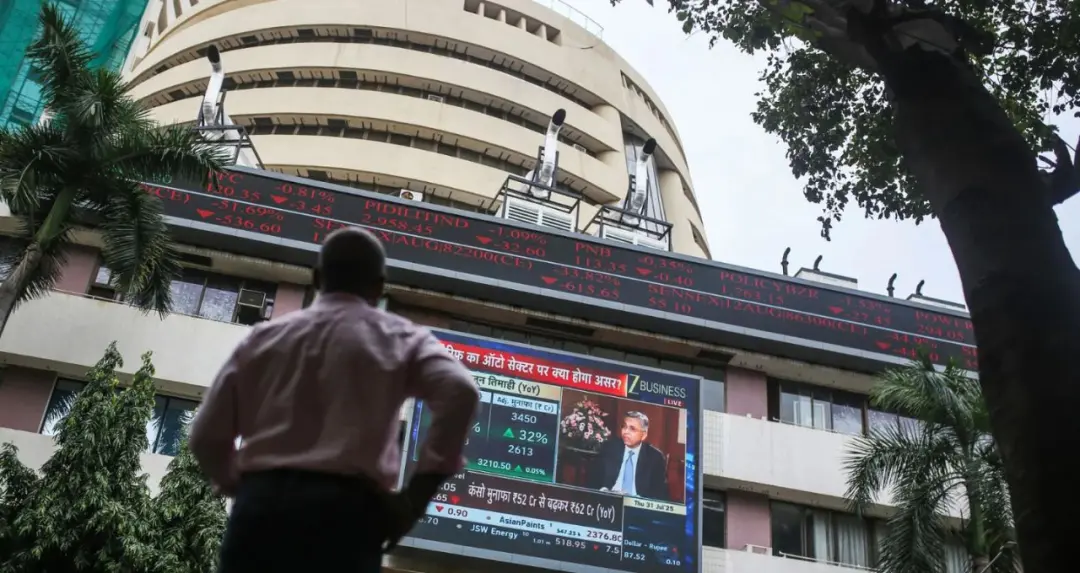
Indian equity markets opened with a marginal gain on Thursday after the Sensex declined by more than 800 points in the previous trading session. Soon after the market opened, the Sensex was trading in positive territory, gaining around 100 points.
The positive opening did not last for long. Within minutes of the opening, both the Sensex and Nifty witnessed volatility, with the Sensex slipping into negative territory. Investors are currently focused on global cues, crude oil prices and signals related to corporate performance.
The Sensex had declined by more than 800 points on Wednesday. At the start of Thursday’s session, the index gained around 100 points to reach approximately 74,865, after opening at 74,742.54. Selling pressure increased after the initial gain, and the index began showing weakness again.




The Nifty also opened on a positive note. The 50-share index opened at around 23,446.60 and traded within a limited range. The direction of the market remained unclear in early trade, with both benchmark indices continuing to fluctuate.

In early trade, 17 of the 30 Sensex constituents were trading higher, while 13 were trading lower. NTPC, Adani Ports, Tech Mahindra, UltraTech Cement, Eternal, Tata Steel, Titan and Asian Paints were among the prominent gainers. Indigo, Maruti Suzuki, Bajaj Finserv, Infosys and HDFC Bank also showed strength in early trade. Gains in these stocks provided initial support to the market.
On the other hand, ICICI Bank, TCS and ITC came under pressure. Kotak Mahindra Bank, Sun Pharma, Hindustan Unilever, Power Grid, Bajaj Finance, Mahindra & Mahindra, Bharti Airtel and Reliance Industries were among the other major stocks trading lower.
Experts are also watching crude oil prices for their potential impact on the current market direction. According to VK Vijayakumar, Chief Investment Strategist at Geojit Investments, India’s foreign exchange reserves are b and the current account deficit remains under control. However, if crude oil prices remain above $100 per barrel for an extended period, pressure on the Indian economy could increase.
The expert believes that higher crude oil prices could affect India’s GDP growth as well as corporate earnings. Industries whose costs are directly linked to energy prices could be particularly affected.
In a high crude oil price environment, energy-sensitive sectors such as aviation, paints, adhesives, tyres and chemicals could face increased pressure. Energy and petroleum-based raw materials play a significant role in the production or operating costs of these industries.
In contrast, defensive sectors such as FMCG and industries including pharmaceuticals and healthcare could perform relatively better. Demand for products and services in these sectors is comparatively less affected by changes in prices.