Indian students cannot directly get medical admission in Canada after 12th grade. First, a bachelor's degree, then the MCAT exam, followed by an MD degree, residency, and passing licensing exams are required. The entire process is long, but it is considered highly beneficial for a career.
How to Become a Doctor in Canada: The path to a medical career in Canada for Indian students is different from India. Here, direct admission to medical college after 12th grade is not available. First, one must complete a bachelor's degree from an accredited university, followed by passing the MCAT exam. After this, admission to a medical college for an MD degree is granted. Only after completing studies and passing residency and licensing exams can students practice as doctors in Canada.
What is the Basic Path to Becoming a Doctor in Canada?

Indian students do not receive direct medical admission in Canada after 12th grade. To become a doctor here, it is mandatory to first complete a bachelor's degree from an accredited university. This degree is typically four years long, focusing on science subjects such as Physics, Chemistry, Biology, and Math.
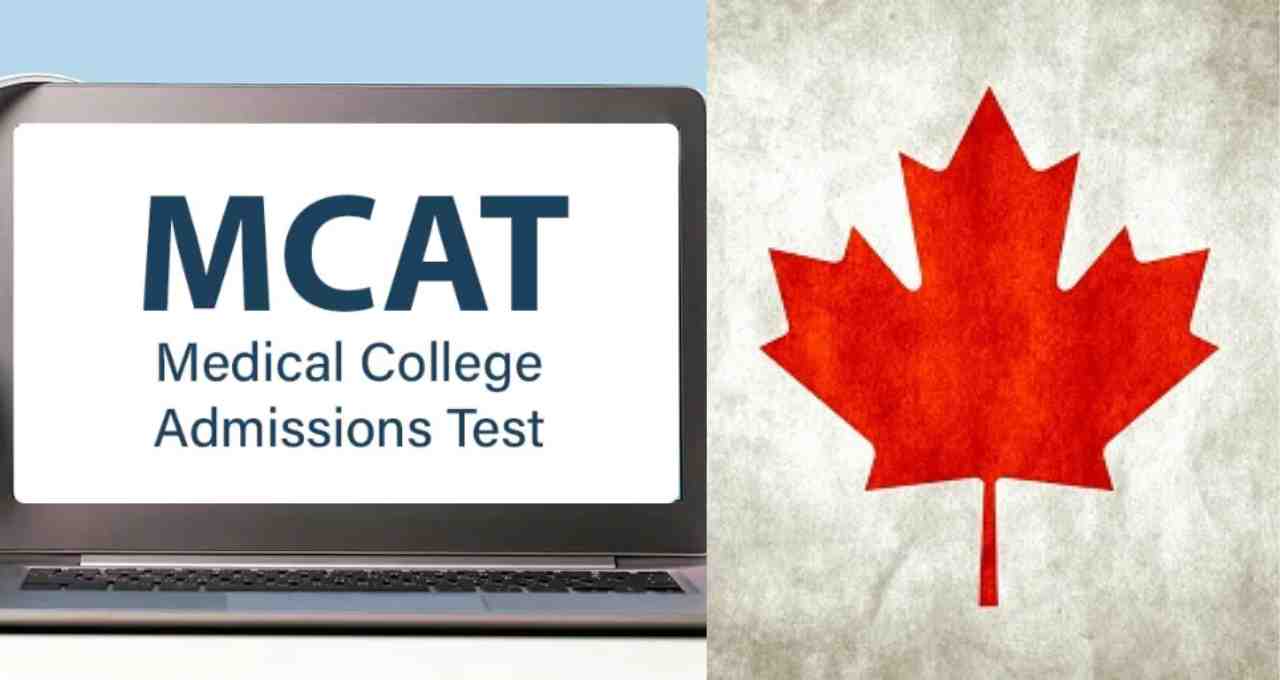
After completing their bachelor's, students become eligible for the MCAT (Medical College Admission Test). This is considered the most important exam for admission to medical colleges in Canada. Unlike India, direct medical seats are not granted based on NEET scores here.
MCAT and Medical College Admission Process
The MCAT exam assesses General Chemistry, Organic Chemistry, Physics, and Biology, along with Verbal Reasoning and Writing Skills. The better the score in this exam, the ber the chances of admission to a top medical college.
After clearing the MCAT, students can apply to medical colleges in Canada. This requires an IELTS or TOEFL score, academic records from their bachelor's degree, and their MCAT score. Once admitted, students must pursue an MD (Doctor of Medicine) degree for 3 to 4 years, which includes both theoretical study and clinical training.
Why Licensing and Residency are Essential
After completing the MD degree, students must pass the Medical Council of Canada's licensing examination to practice in Canada. Additionally, many students apply for residency programs through the Canadian Resident Matching Service (CaRMS). The duration of residency typically ranges from 3 to 7 years.
During residency, doctors gain direct experience treating patients in hospitals. Subsequently, upon passing MCCQE Part I and Part II, they receive a permanent license from the Medical Council of Canada. Only then can doctors independently practice medicine in Canada.