
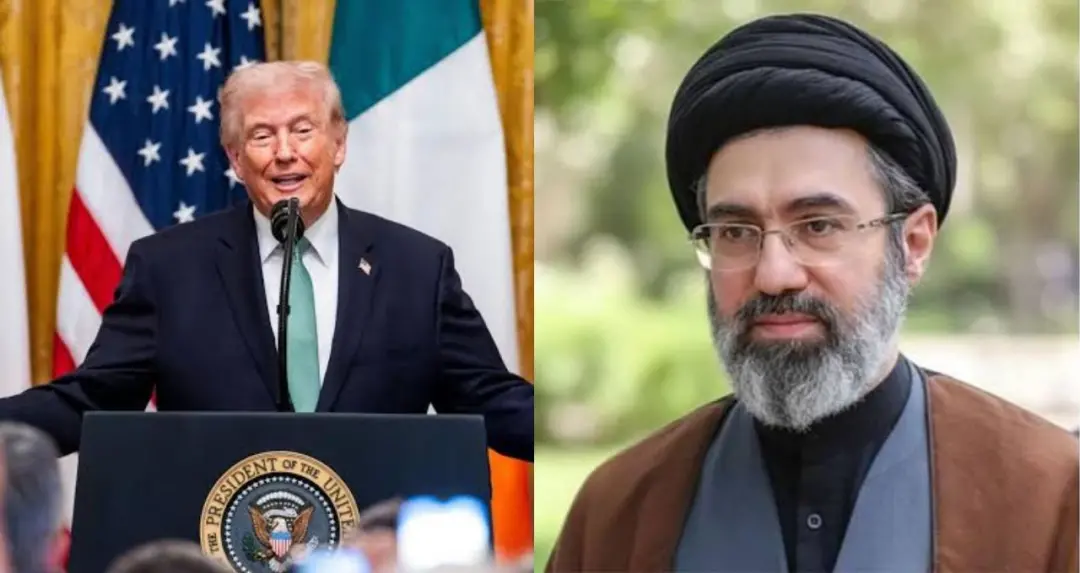
Iran has warned that it will target strategic energy infrastructure across the Gulf region if the United States launches another military strike on its energy facilities. According to Iran, any potential retaliation could include oil production sites, refineries, power grids and other critical energy infrastructure.
Despite the heightened tensions, Iran said its primary priority remains a diplomatic resolution. According to reports, Iranian Foreign Minister Abbas Araghchi has contacted senior leaders in Saudi Arabia, Qatar, Türkiye and Pakistan, urging them to help reduce regional tensions and press the United States to avoid military action.
Iran stated that a broader military confrontation can be avoided if diplomatic channels remain open. However, it also said that if it is attacked, its response would be broader and more effective than before.
Amid the regional tensions, Saudi Arabia has also been engaged in diplomatic efforts. According to available information, Saudi Crown Prince Mohammed bin Salman spoke with U.S. President Donald Trump and urged him to avoid military action and continue diplomatic negotiations.



Analysts believe that most Gulf countries want to avoid a major conflict because it could directly affect global oil supplies, trade routes and the regional economy.
Meanwhile, negotiations between Iran and Oman over the Strait of Hormuz appear to have entered the final stage. The two countries have indicated progress toward an agreement on a new maritime route to ensure the safe passage of ships, and preparations are underway for a joint announcement.
The proposed arrangement is intended to ensure the safe movement of commercial vessels through the Strait of Hormuz, one of the world's most important energy shipping routes. However, differences remain over the issue of control. Iran wants vessels to transit through a route monitored by Tehran, while the United States does not support Iran having full control over the strategic waterway.
U.S. President Donald Trump also said in a recent statement that talks between the United States and Iran were making positive progress. He claimed that the status of a Strait of Hormuz-related agreement could become clearer within the next 48 hours.
In an interview with Fox News, Trump said Iran wants negotiations and, according to him, an agreement would serve the interests of both countries. He also said he prefers a diplomatic solution over military action.
Speaking at a public event, Trump said he does not want war and believes negotiations are a better option for saving lives. He also claimed that the United States had prepared for a major military operation but that the situation changed after prospects for negotiations emerged.
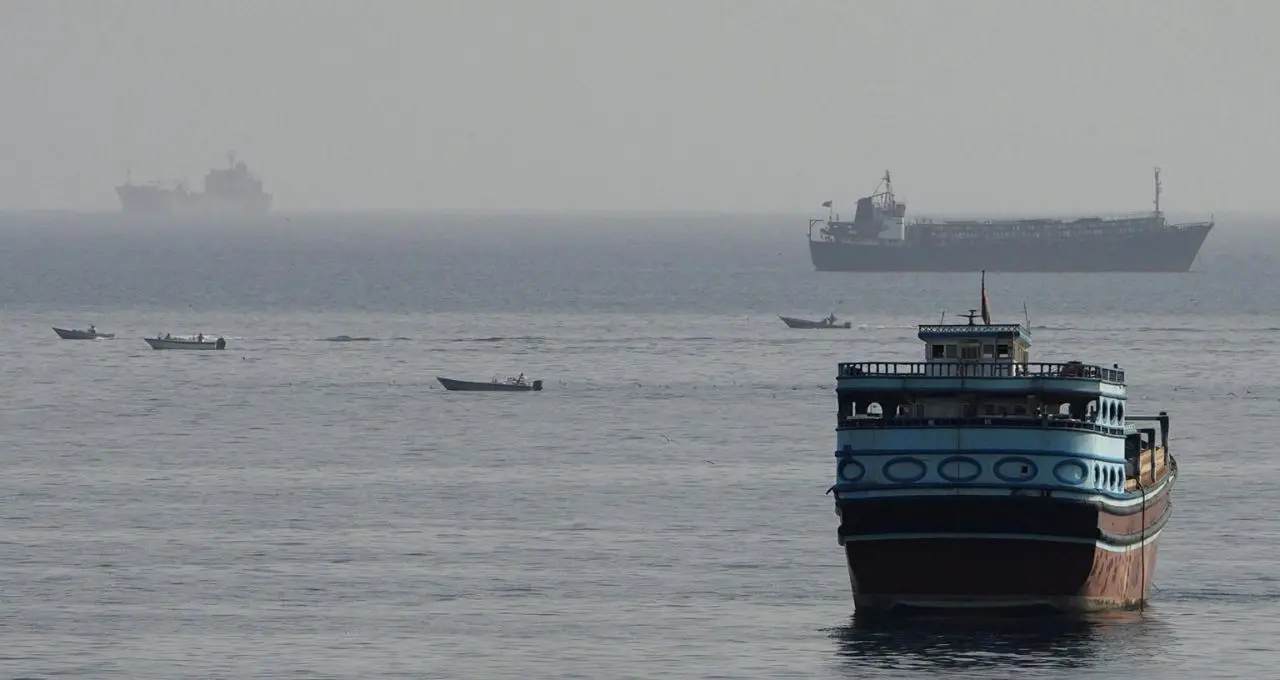
If tensions between the United States and Iran escalate further or if any disruption occurs in the Strait of Hormuz, international energy markets could be affected. A significant share of global seaborne oil trade passes through the waterway, and any military confrontation or security disruption could push crude oil prices higher and affect global supply chains.
Energy experts said stability in the Gulf region is important not only for regional countries but also for global energy security.
Meanwhile, a media report has claimed that during the recent conflict the United States used about 80 percent of the interceptors in its advanced THAAD missile defence system and nearly half of the interceptors in its Patriot system. The claim has not been independently verified, but it indicates that military activity in the region has remained intense.
According to the United Nations, more than 800,000 displaced people have returned to their homes in Lebanon following a reduction in violence between Israel and Lebanon. However, a large number of people continue to live in relief camps or temporary shelters.
Attention remains focused on the ongoing diplomatic efforts between the United States and Iran. If an agreement on the Strait of Hormuz is reached, it could facilitate maritime trade and open the way for further negotiations on the nuclear programme and other disputed issues between the two countries.
Iran, however, has maintained that if diplomacy fails and military action takes place, the consequences would extend beyond the two countries and could affect energy security across the Gulf region, global oil markets and international trade.


