
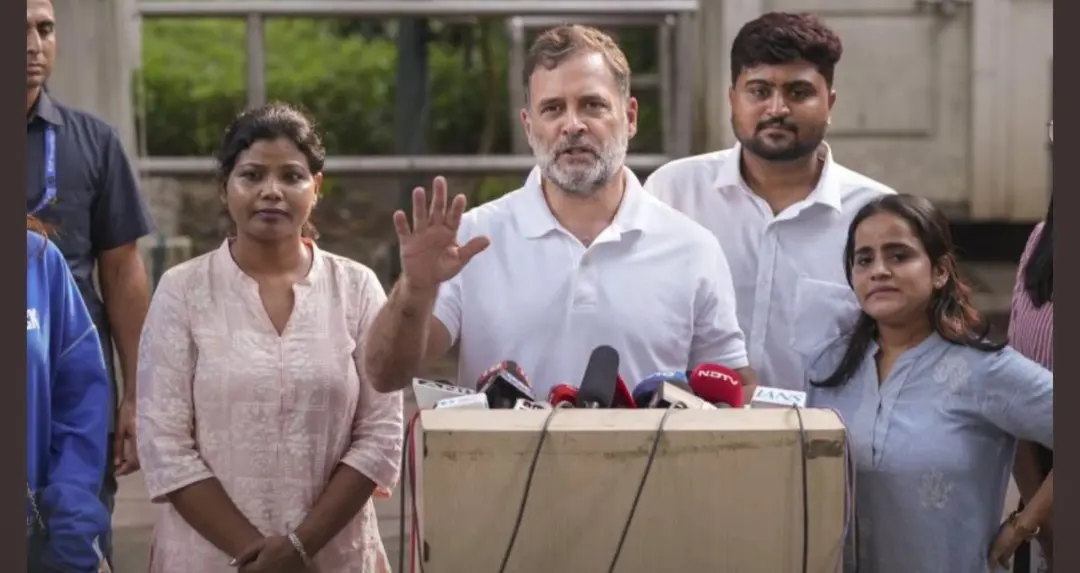
Rahul Gandhi, the Leader of the Opposition in the Lok Sabha, criticised the Union government over the GenZ students' movement, alleging that injustice had been done to young people and students. Addressing a press conference on Wednesday, he said students who staged peaceful protests were subjected to the use of force despite not engaging in any violence. He called for comprehensive reforms in the education system and said the concerns of young people should be addressed instead of suppressing their voices.
Several students and young participants who had taken part in protests at Jantar Mantar in Delhi and in Mumbai were present alongside Rahul Gandhi during the press conference. He commended them for expressing their views through democratic means.
Rahul Gandhi said he had spoken in detail with several students and young protesters involved in the movement. According to him, they told him they were assaulted, threatened and subjected to mental pressure during the protests.
He said he was proud of all the young people who exercised their democratic rights by raising their demands peacefully. Rahul Gandhi stated that thousands of young people across the country were seeking a better education system and a transparent examination process.

Rahul Gandhi said questioning the country's education system was not a crime. He stated that if a system had shortcomings, remained under repeated controversy or was losing the confidence of students, demanding reforms was a democratic right.
According to him, students were seeking a fair examination system, an end to paper leak incidents and equal opportunities for deserving candidates. He said strengthening the education system was essential to securing the country's future.
During the press conference, Rahul Gandhi alleged that students participating in the protests were treated harshly. He said the protesters were neither violent nor aggressive, yet force was used against them.
He further alleged that some protesters were threatened and that attempts were made to pressure the families of women protesters. Rahul Gandhi also claimed that incidents such as making a minor girl apologise were not consistent with democratic values.
No immediate official response to these allegations was issued by the concerned government agencies or the administration.
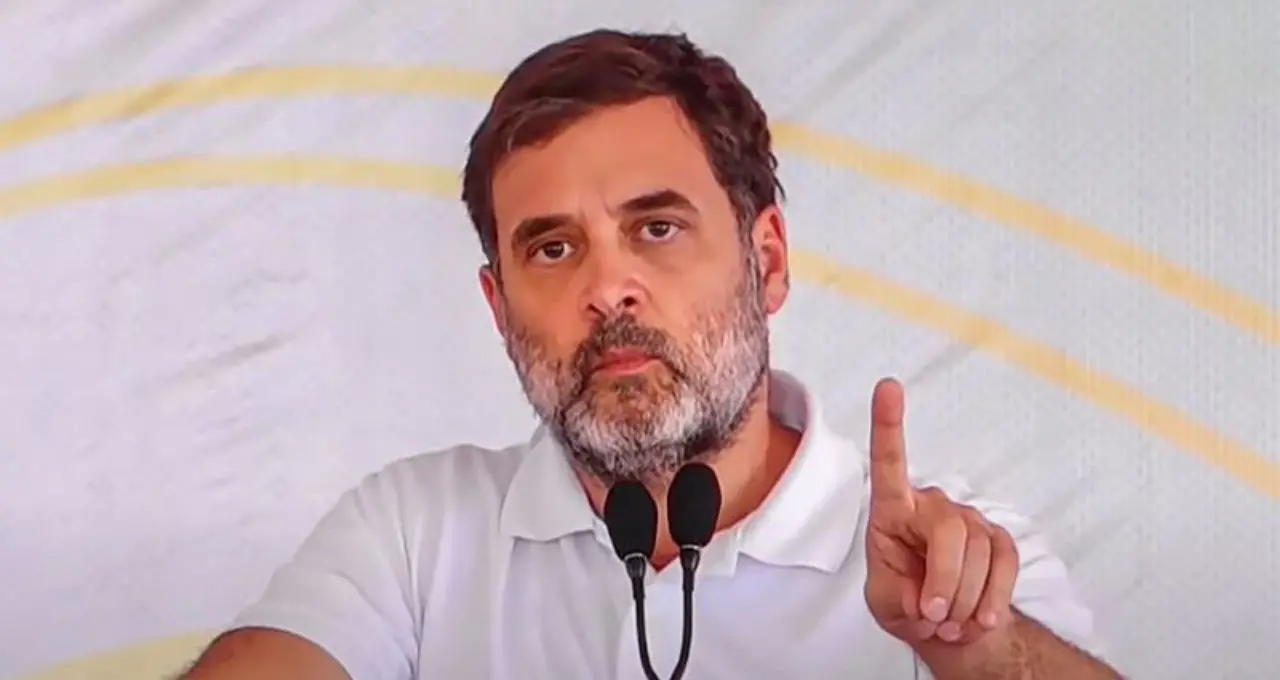
Rahul Gandhi said students had raised their voices to protect the Constitution and democratic values. He said citizens, particularly young people, have the right in a democracy to present their concerns and seek answers from the government.
He added that demands for reforms and transparency in the education system should be heard seriously and that dialogue and reform remained the most appropriate path in a democratic system.
Rahul Gandhi also expressed concern over repeated examination paper leak cases in the country. He said such incidents affected the future of millions of students and raised questions about the credibility of competitive examinations.
He urged the government to make the examination system more secure and transparent so that students' confidence could be restored. According to him, greater accountability and technological improvements in the education system were necessary.
Rahul Gandhi said young people were the country's greatest strength and that safeguarding their future was a primary responsibility of the government. He said students should be treated with respect and their concerns should be taken seriously.
He said the country needed an education system that encouraged talent, provided equal opportunities and ensured confidence in fair competition.
The source content also states that issues concerning GenZ, including employment, the examination system, paper leaks and education reforms, have become subjects of national political and public debate. It states that Rahul Gandhi's remarks are viewed as an attempt by the opposition to bring support for students and education reforms to the centre of political discourse.
The source content further states that the government has maintained that several corrective measures are being implemented to strengthen the examination system and curb irregularities, and that education reforms and youth-related issues are expected to remain prominent subjects of political debate.


