Rising flour prices in Peshawar, Khyber Pakhtunkhwa, have increased pressure on households, with the price of a 20-kilogram bag of coarse flour reaching 3,300 Pakistani rupees. The increase has also pushed up the price of roti, with a 50-gram roti rising from 20 rupees to 30 rupees.
The higher flour prices have affected tandoors and everyday food markets. Several shopkeepers in Peshawar have stopped selling individual rotis, instead offering two rotis for 40 rupees. Local consumers have also alleged that the weight of roti is being reduced as prices rise.
Markets in Peshawar have recorded a sharp increase in flour prices. A 20-kilogram bag of coarse flour is selling for around 3,300 rupees, while a 20-kilogram bag of fine flour is priced at about 3,120 rupees. An 80-kilogram bag of coarse flour has reached as much as 13,200 rupees, while 20 kilograms of bran is priced at around 1,480 rupees.
The increase in flour prices has a direct effect on households whose diets contain a high share of wheat and wheat-based products. Roti is an important part of the daily diet of many Pakistani households, making changes in flour prices directly relevant to household spending.
The increase in flour prices has also affected the tandoor business in Peshawar. According to local information, the price of a 50-gram roti has increased from 20 rupees to 30 rupees.
In several areas, including Khyber Bazaar, Ashraf Road, Karachi Market, Namak Mandi and Government College Chowk, shopkeepers have stopped selling individual rotis. Customers are being offered two rotis for 40 rupees.




Local residents have said that the increase in prices is not the only issue. Some consumers have alleged that the weight of roti is also being reduced compared with earlier levels. Residents have asked the administration to monitor both the price and prescribed weight of roti.
Some traders have also been accused of hoarding amid the sudden increase in flour prices. The allegation is that some traders withheld stocks in warehouses to take advantage of reduced availability in the market.
Administration and law-enforcement agencies are increasing monitoring of major traders and flour warehouses amid the allegations.
Reports have also claimed that some flour traders earned additional profits of crores of rupees within a short period during the price increase. However, these allegations have not been independently confirmed, and the role of individual traders remains subject to separate investigations.
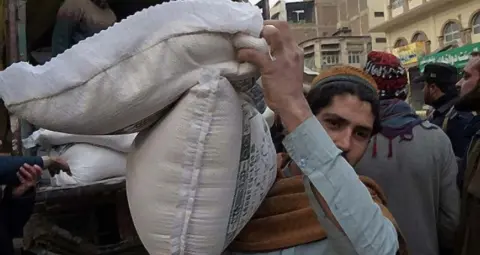
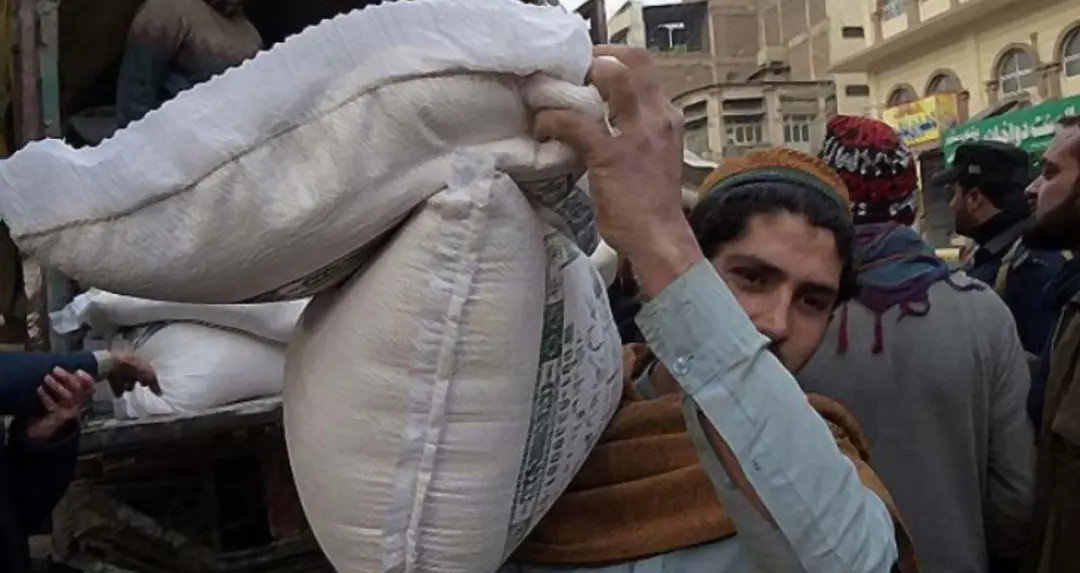
Amid rising prices and alleged shortages in the market, the provincial food department has said that subsidised flour continues to be distributed at government-set rates across different areas of the province.
According to the department, 4,17,168 flour bags were made available at government prices through 1,611 active dealers across the province last week.
Of the total supply, 1,01,955 bags were supplied to Peshawar Division, 1,20,737 to Malakand and 59,389 to Mardan. Hazara Division received 38,129 bags, Bannu received 12,588, Dera Ismail Khan received 41,688 and Kohat received 42,682 bags.
The government said the supply of subsidised flour is continuing. However, high prices in local markets and complaints from residents indicate that a gap remains between government supplies and open-market prices.
The increase in flour prices comes as households in Pakistan are already facing inflation and higher domestic costs. Changes in the prices of basic food items such as wheat and flour directly affect households' monthly spending capacity.
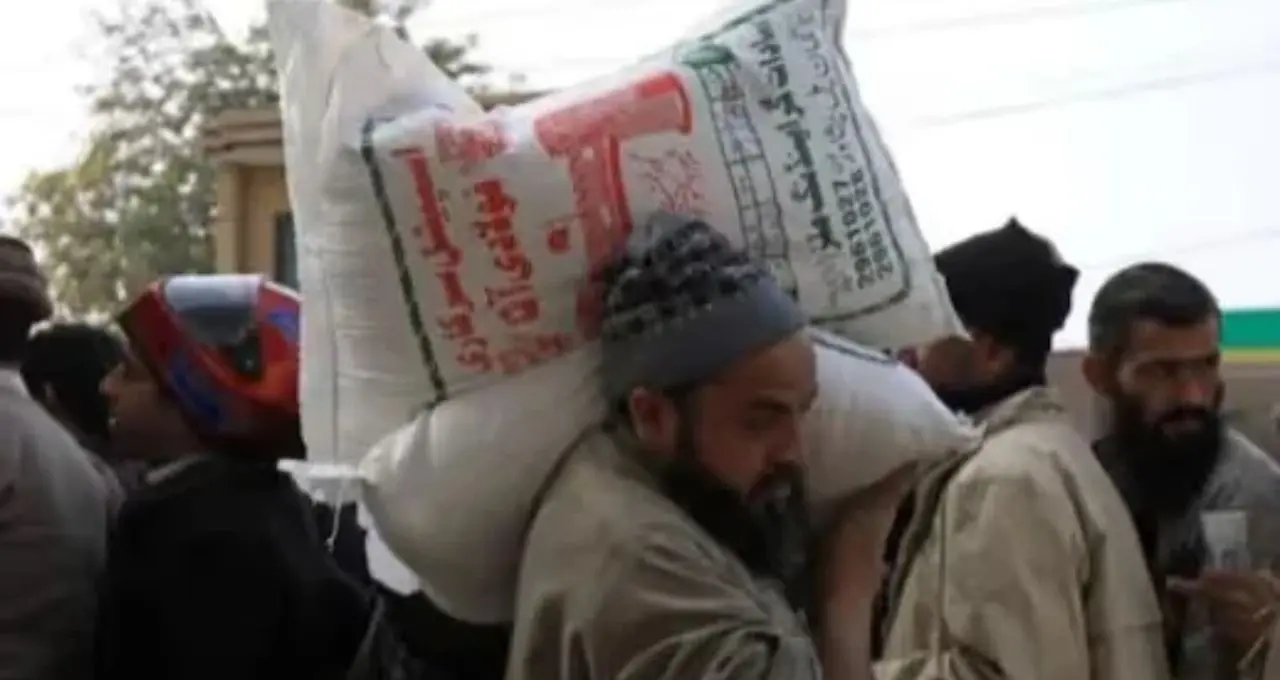
For low-income households, even an increase of a few rupees in the price of roti can affect daily budgets. Residents have therefore called not only for lower prices but also for adequate supplies of flour at government-set rates.
Residents have asked the administration to ensure that flour available at the prescribed price actually reaches consumers and that shopkeepers and tandoor operators comply with rules governing prescribed weights and prices.
Pakistan has previously faced periods of disruption involving wheat and flour prices and availability.
During 2019-20, wheat and flour prices rose sharply in several parts of Pakistan, while concerns also emerged over market availability.
A major crisis involving wheat and flour supplies emerged again in 2023. Increased demand for subsidised flour led to long queues outside distribution centres in several cities.
The large number of people seeking government flour at lower prices created disorder at several locations. Reports also emerged of stampede-like incidents during flour distribution in some areas.
Controlling flour prices in Pakistan involves more than retail-market conditions. It requires coordination between wheat availability, government stocks, transportation, milling, distribution and market monitoring.
If wheat supplies are disrupted at any stage or market stocks become limited, the impact can extend to flour prices and subsequently to roti prices. Effective investigation of allegations of hoarding or illegal storage can also be relevant to market-price management.
In the current situation, the administration faces the task of ensuring that the benefits of government subsidies reach households in need while maintaining adequate flour availability in open markets.
Peshawar's rising flour and roti prices have put the focus on local monitoring and government supplies. The current price of up to 3,300 rupees for a 20-kilogram bag of flour and the increase in the price of a 50-gram roti from 20 rupees to 30 rupees are the latest developments in the local market.