

A political controversy has emerged within the Trinamool Congress (TMC) in West Bengal following reports of a letter purportedly signed by 19 Lok Sabha MPs seeking recognition of a separate parliamentary group. The development has intensified speculation about internal dissent within the party and raised questions about its organizational cohesion.
According to media reports, a letter dated May 18 was submitted to the Lok Sabha Speaker, carrying the alleged signatures of 19 TMC MPs and requesting recognition for a separate parliamentary group. The document has become the subject of public and political discussion.
Political observers have stated that if the authenticity of the letter and the signatures is verified, it could indicate that internal differences within the party emerged soon after the election results. The development has also prompted questions about whether the party is facing organizational challenges.
The names reportedly associated with the letter include several prominent TMC MPs, among them actress and parliamentarian Shatabdi Roy, Yusuf Pathan, Sayoni Ghosh, Kakoli Ghosh Dastidar, Rachana Banerjee and Dev (Deepak Adhikari), along with other MPs.
The inclusion of these names has drawn attention because they are considered prominent faces within the party. However, several of the leaders named in the reports have not issued detailed public statements regarding the matter, leaving several questions unresolved.



Reports of dissent among Lok Sabha MPs follow earlier political developments in the West Bengal Legislative Assembly. According to reports, a significant number of MLAs had sought recognition for a separate group within the Assembly.
It was reported that a letter was submitted to the Assembly Speaker requesting recognition of a separate legislative group. The move indicated that discussions about dissatisfaction were not confined to the parliamentary level but were also being reported in other parts of the organization. Political observers have said that if differences persist at both levels, the party leadership could face a greater challenge.
The provisions of the Tenth Schedule of the Constitution of India, commonly known as the anti-defection law, are significant in such situations. A group of MPs or MLAs can claim a separate identity only if it is supported by at least two-thirds of the members of the legislative party.
If that threshold is met, the group may merge with another political party or seek recognition as a separate parliamentary or legislative group. The final decision, however, rests with the relevant constitutional authority, including the Lok Sabha Speaker, the Rajya Sabha Chairman or the Assembly Speaker, depending on the case.
The developments have placed focus on the Trinamool Congress leadership, which has remained a dominant political force in West Bengal for several years under the leadership of Chief Minister Mamata Banerjee.
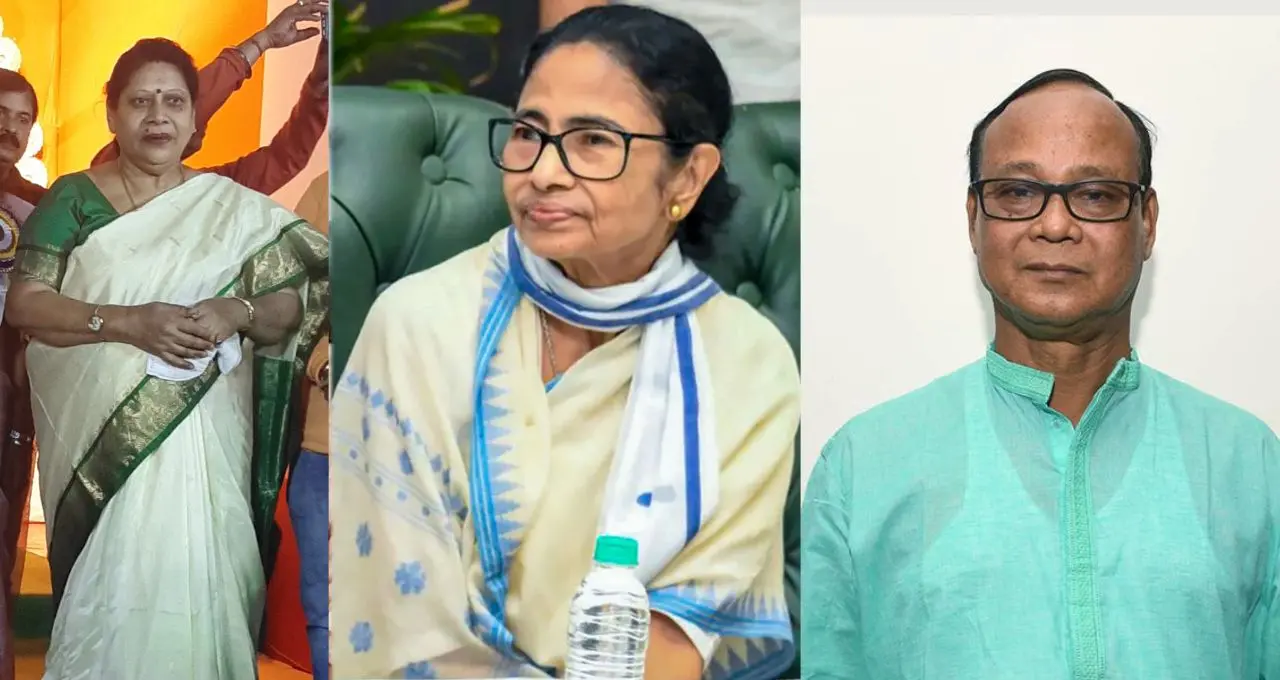
If internal dissent expands, the leadership could face the task of maintaining organizational unity. Political observers have said that the party leadership may seek to address concerns through dialogue, organizational measures and efforts to engage dissatisfied leaders. Attention may also be directed toward strengthening the party’s grassroots and district-level structures.
Any significant political development in West Bengal is often viewed beyond the state because the Trinamool Congress has played an important role in national politics. Reports of a possible split within the party have therefore attracted attention at the national level as well.
Political observers have said opposition parties are likely to closely monitor the situation. They have also noted that developments within the party could influence political strategies among opposition formations at the national level.
Such disputes can also lead to legal proceedings. If efforts to secure recognition for a separate group move forward, constitutional institutions and courts could play an important role in the process.
Questions relating to party identity, election symbols, organizational control and parliamentary recognition could also become subjects of dispute. Similar legal contests have occurred in India following splits within political parties, with outcomes determined through constitutional and statutory processes involving legislative authorities, the Election Commission and the courts.
Several possible scenarios remain. One possibility is that the party leadership succeeds in resolving differences and maintaining organizational unity. Another is that a separate group moves ahead with efforts to establish a distinct political identity and seek formal recognition.
A third possibility involves legal and constitutional proceedings through which relevant authorities determine the outcome. Political observers have said that the coming weeks could be significant for political developments in West Bengal.
The issue has moved beyond an internal party matter and has become part of a wider political discussion. The reported letter, the names of MPs associated with it, accounts of organizational differences and the possibility of political realignment have all contributed to heightened attention on the developments.
Attention is now focused on the next steps taken by the party leadership, the leaders reportedly involved and the relevant constitutional authorities. Further developments in the coming days could have implications for both West Bengal and national politics.


