
The Supreme Court has dismissed the last pending petition related to the nearly four-decade-old Bofors bribery case, bringing the legal proceedings in one of India's most widely discussed defence procurement controversies to a close.
The Bench observed that no legal basis remained for pursuing any further proceedings in the matter. Courts at various levels had previously ruled on the allegations and investigative processes connected with the case. With the latest order, all judicial remedies relating to the Bofors case are considered exhausted.
The petition before the Supreme Court challenged a Delhi High Court judgment that had discharged the Hinduja brothers and Swedish defence manufacturer AB Bofors from the allegations. However, the Supreme Court declined to entertain the appeal. The Court held that when earlier judicial decisions had already set aside the charges and related appeals had been decided, there was no justification for continuing the proceedings. It indicated that the long-pending dispute should now be treated as concluded.



The Bofors case has been among the longest-running legal proceedings in India's judicial history. Over several years, investigative agencies, courts and various parties were engaged in prolonged litigation. In 2005, the Delhi High Court delivered a significant judgment quashing the charges against the Hinduja brothers and AB Bofors. The High Court also raised serious questions about the investigation, stating that, in the absence of sufficient evidence, it was not appropriate to sustain the charges.
The Central Bureau of Investigation (CBI) later sought to challenge the High Court's decision. However, in 2018, the Supreme Court declined to entertain the agency's plea, observing that the appeal had been filed after an excessive delay and that no satisfactory explanation had been provided for the delay.
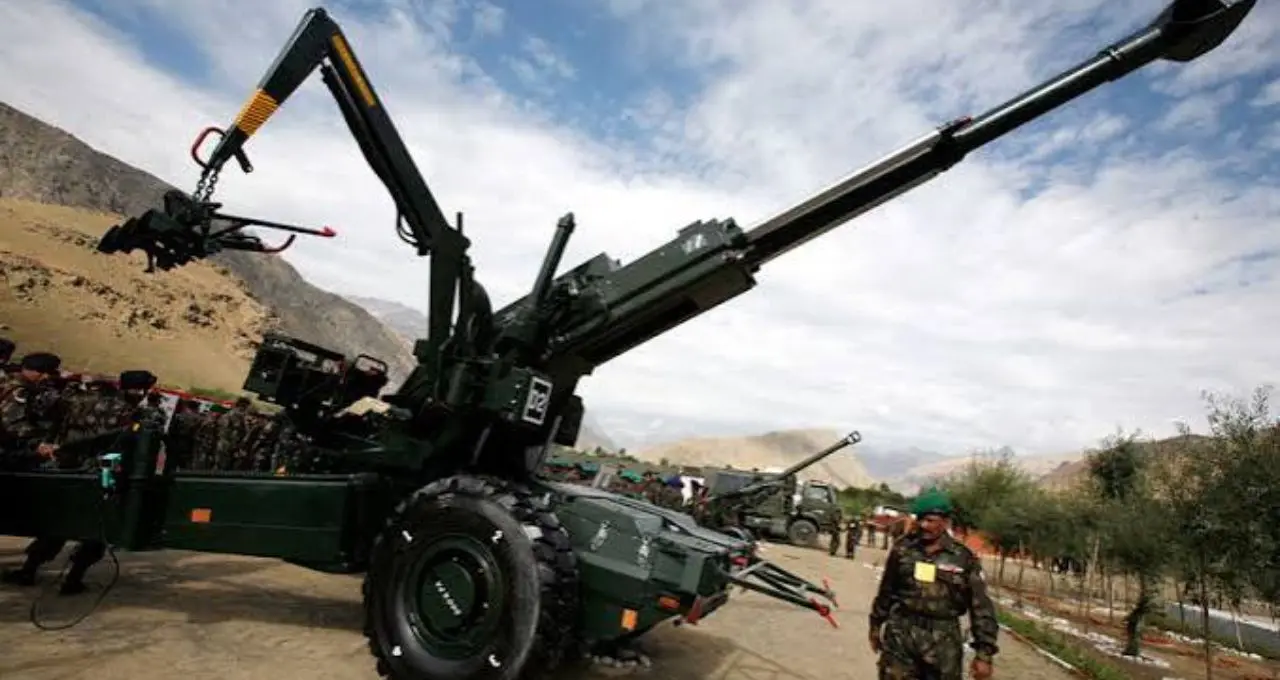
The Bofors controversy arose from a defence procurement agreement concluded in the mid-1980s. The Government of India signed a contract with Sweden's AB Bofors for the purchase of modern howitzer guns for the Indian Army. At the time, the agreement was regarded as an important step in defence modernisation.
In 1987, reports alleged that illegal payments and commissions had been used to secure the defence contract. The allegations triggered a major political controversy and remained the subject of public and political debate for several years.
Following the allegations, investigative agencies initiated inquiries and filed charges against various individuals and entities. However, during the prolonged legal process, several of the allegations did not withstand judicial scrutiny, and most of the proceedings were resolved over time.
According to analysts, the impact of the Bofors controversy extended beyond the courts. The case prompted extensive discussion on defence procurement procedures, government transparency and political accountability in India. In the years that followed, greater emphasis was placed on strengthening oversight and improving transparency in defence acquisition processes.
The Bofors case also demonstrated how allegations linked to major defence contracts can influence political and public discourse over an extended period, making it a significant reference point in India's democratic history.


